Last updated November 22, 2026
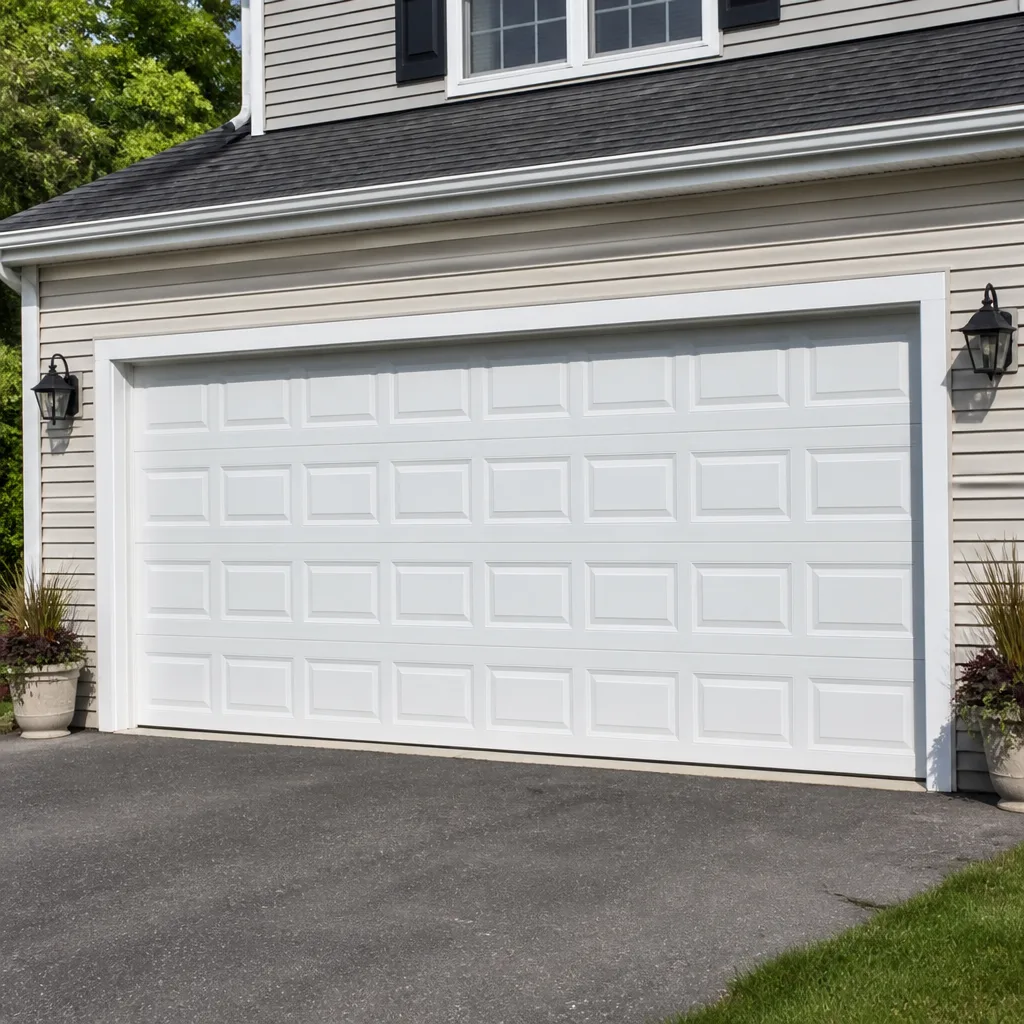 Raised-panel steel
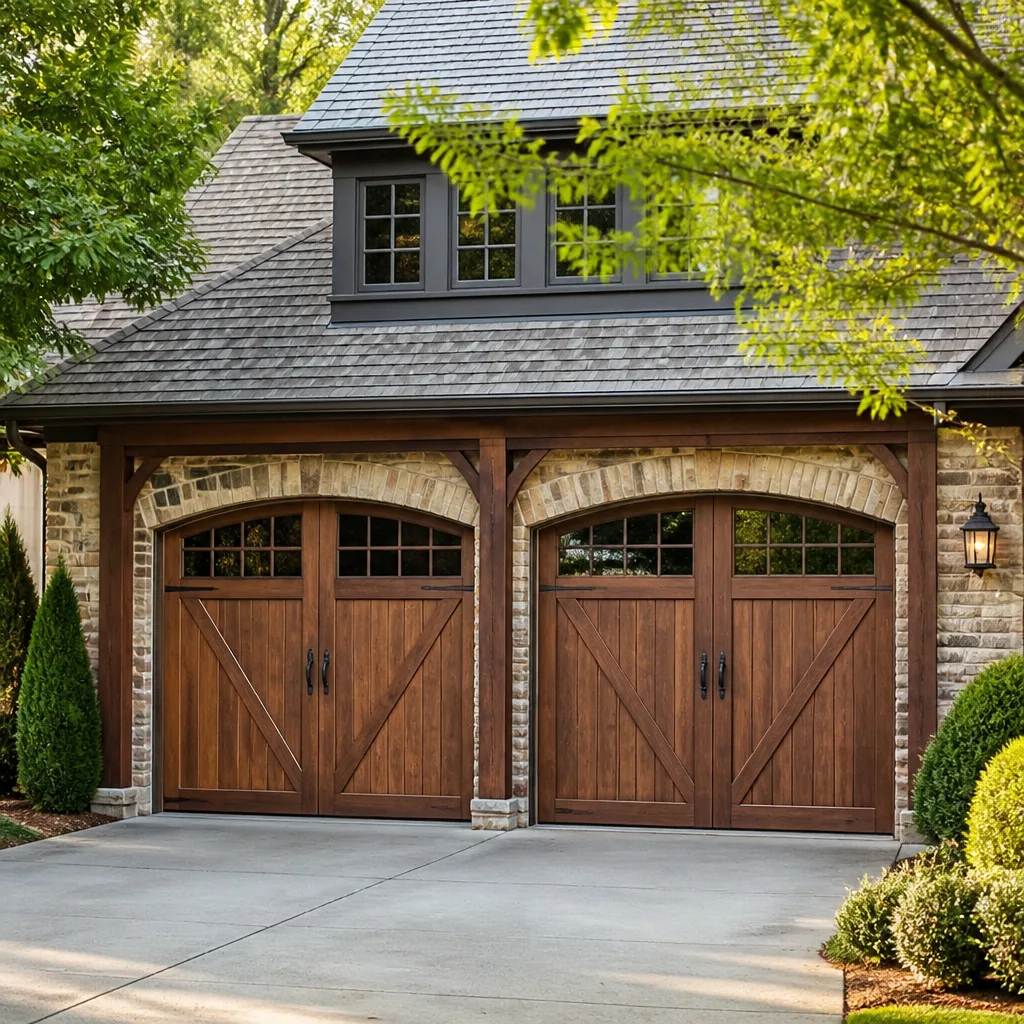 Carriage house
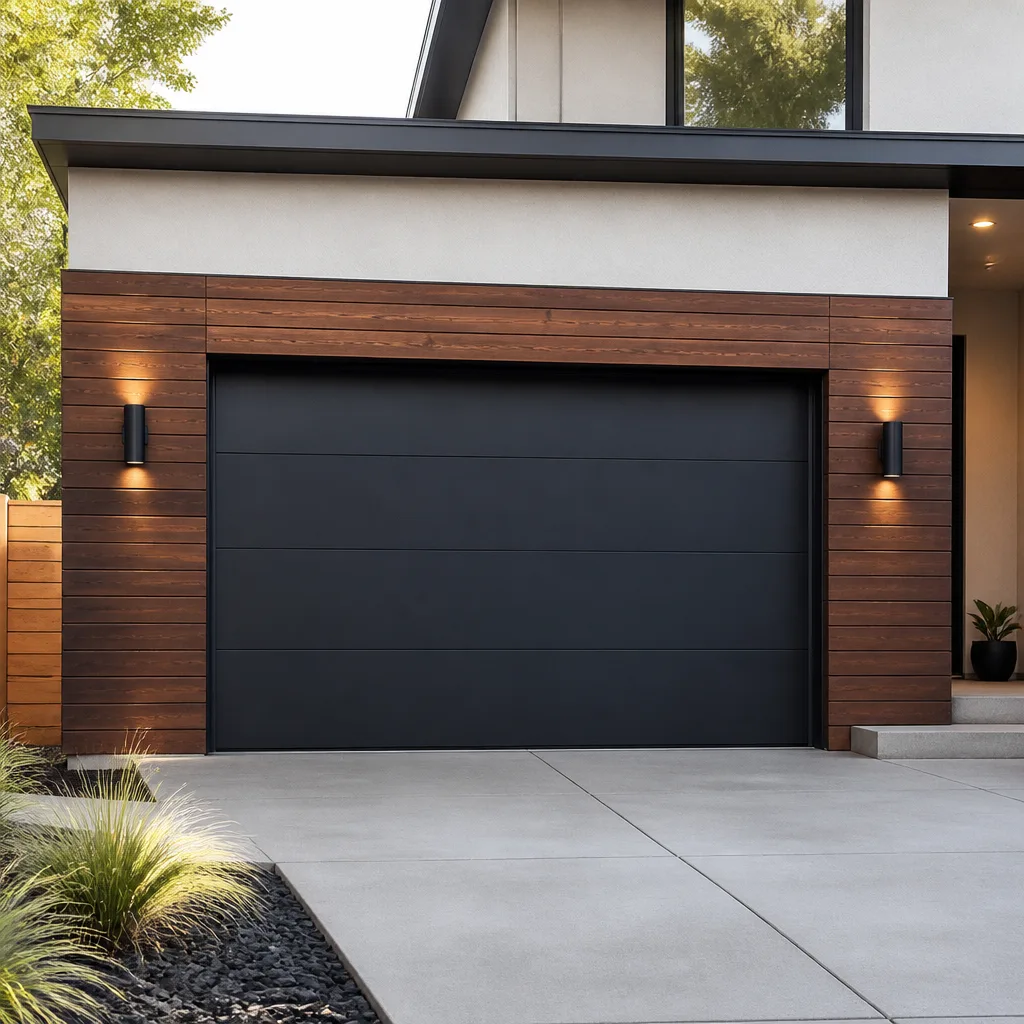 Modern flush
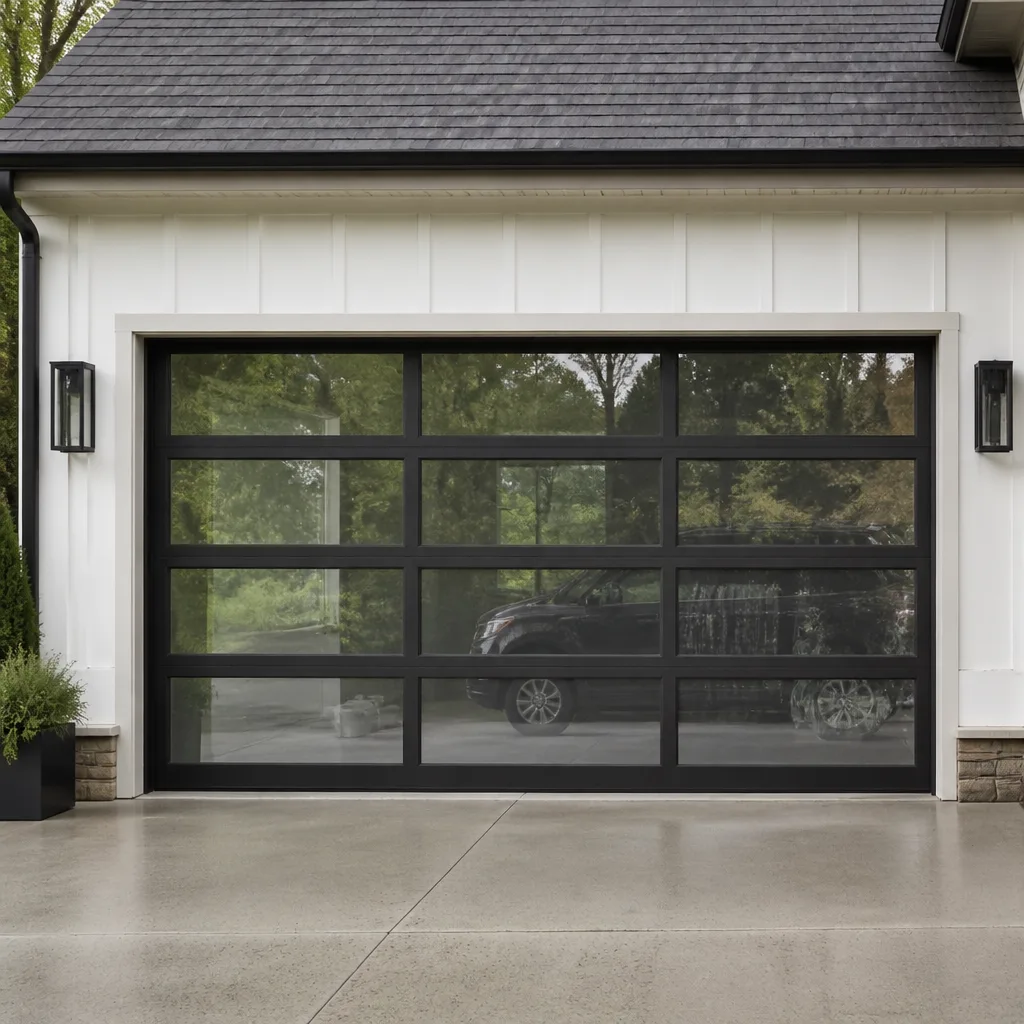 Full-view glass
 LiftMaster openers
 Chamberlain openers
Full 25-point door and opener safety check with every visit - springs, cables, rollers, tracks, and your LiftMaster or Chamberlain opener included
You get a price before we start. It does not change when the pro arrives.
Get your free estimateGarage Door Warning Signs: A Reynoldsburg Homeowner’s Reference Guide
Most garage doors don’t fail out of nowhere. Long before a spring snaps or a cable lets go, the door has been sending signals for days or weeks: a new grinding sound, a slight list to one side, an opener that suddenly hesitates before it lifts. The trouble is that a garage door moves forty or fifty times a week in a busy Reynoldsburg household, and small changes hide inside a routine nobody watches closely. Then one morning the door won’t open, the car is trapped, and a repair that could have been scheduled becomes an emergency call. This guide teaches you to read the same signals our technicians read – what each sound points to, which visual checks reveal a problem, how opener behavior gives away component failures, and how Ohio’s seasonal swings create a few false alarms along the way. Fifteen minutes of knowing what to watch for can spare you a Sunday morning with a dead door and a locked-in car.
Quick Answer
The main warning signs of a failing garage door are unusual noises (grinding, popping, scraping), a door that rises or lowers unevenly, an opener that reverses, hesitates, or strains, visibly worn cables or sagging panels, and a door that won’t stay up when opened by hand. Grinding and popping usually mean an immediate stop-and-call situation, while scrapes and minor hesitation can often be scheduled within the week. In Reynoldsburg, temperature swings between cold snaps and spring warmups can mimic a few symptoms, so it helps to know which ones are harmless and which aren’t.
Styles & brands we work with
- Raised-panel steel
- Carriage house
- Modern flush
- Full-view glass
- LiftMaster openers
- Chamberlain openers
Table of Contents
- What the Noise Is Telling You: A Sound-by-Sound Diagnostic
- The Slow-on-One-Side Test: Cables and Springs Before Failure
- Opener Behavior Changes That Point to Real Problems
- Stop Using the Door Today vs. Schedule Within the Week
- Reynoldsburg Seasonal Shifts and the False-Positive Problem
- The Five-Minute Visual Walkaround
- Common Mistakes to Avoid
- Frequently Asked Questions
What the Noise Is Telling You: A Sound-by-Sound Diagnostic
The noise a garage door makes is the most reliable early signal you’ll get, and each type of sound comes from a different component under different strain. A technician listens to a door the way a mechanic listens to an engine – the tone and rhythm narrow the diagnosis before anything is touched. Here’s how to read the main sounds.
- Grinding. A rough, metal-on-metal grinding usually points to worn rollers, a dry or failing bearing, or a torsion system starting to bind. It’s the most common complaint we hear across Reynoldsburg, and it tends to worsen gradually. Grinding is high-priority: keep using the door only as long as it still moves cleanly, and get it looked at soon.
- Popping. A sharp pop, especially when the door first starts moving or when it’s about halfway up, often means a torsion spring is in the early stage of failure or that the torsion shaft has slipped. Popping is the loudest warning you’ll get before a spring breaks completely. Stop cycling the door and call.
- Scraping. A scraping sound – like something dragging – usually indicates a misaligned track, a bent panel rubbing a rail, or an obstruction. It’s less urgent than a pop, but it shouldn’t be ignored, because a panel dragging the rail puts extra stress on the opener every cycle.
- Squealing and squeaking. High-pitched noises generally come from rollers, hinges, and springs that need lubrication. It’s the mildest category, but left alone, dry rollers eventually chew up their shafts and produce a bigger repair.
- A single loud bang that sounds like a gunshot. That’s a torsion spring snapping. The door is now effectively out of balance and must not be operated – we cover that in detail below.
One thing worth hearing clearly: none of the noises above are a call to try a repair yourself. Torsion springs and cables are under heavy tension, and a DIY attempt on a loaded spring can be genuinely dangerous. Listening is safe. Fixing is a technician’s job.
The Slow-on-One-Side Test: Cables and Springs Before Failure
A door that starts to lift faster on one side than the other is telling you something is no longer balanced, and that “something” is almost always a cable, a spring, or a roller on one side of the door. This is one of the earliest signs you can catch, and catching it early is what keeps a stretched cable from becoming a snapped one.
Here’s how to observe it safely. Stand well off to the side of the door – never in its path – and watch the gap under the bottom edge as the door opens and closes. You’re not measuring; you’re checking for whether the bottom edge stays level. If one corner lags noticeably or the door tilts before leveling out, you’ve found a warning sign.
- Open and close the door one full cycle from a safe side position. Watch the gap, not the door face.
- Check whether the door stays level throughout the travel. A consistent tilt is a red flag; a momentary wobble that clears within a few inches is usually harmless.
- Look at the cables and drums while watching the travel, if you can see them clearly from the side. Frayed strands, kinked cable, or cable that’s loose enough to come off the drum means stop using the door.
- Test the balance by hand with the opener disconnected. Most openers have a release pull cord. With the door disconnected, lift it halfway and let go. A properly balanced door stays put. A door that slams down or drifts upward on its own means the springs are out of balance. If you can lift it at all safely, a door that feels heavy might just mean a spring has lost tension. If it’s on the heavy side, don’t force it – call a technician.
In our experience, a door that fails the level test usually has a spring that’s lost tension or a cable that’s been slowly stretching under the load of a heavy door and Ohio’s temperature swings. Catching it here is the difference between a garage door spring repair and a broken door resting on the ground. A cable that’s frayed is an immediate stop: a snapped cable can whip unpredictably, so don’t cycle the door again until a technician looks at it.
Opener Behavior Changes That Point to Real Problems
Your opener is a diagnostic tool. It adjusts its force every cycle to compensate for the door, and when the door’s condition changes, the opener’s behavior changes with it. A door that suddenly runs louder, reverses for no reason, or hesitates before it starts is usually reporting a problem in the door, not the opener itself – which is why a proper diagnosis starts with the door and moves back to the opener.
- The door reverses immediately after touching the floor. This usually means the opener’s down-travel limit is set too far, or the safety sensors are slightly misaligned. Reversing on the way down is a real safety concern; a door that reverses after hitting an obstruction is doing its job.
- The opener strains or sounds louder on one cycle than another. A door that’s getting harder to lift (dry rollers, a binding track, a spring losing tension) makes the opener work harder. You’ll hear the motor laboring. That strain shortens the opener’s life, so fix the door before you replace the opener.
- The door hesitates before it starts. A short pause between the button press and the door moving is often a worn gear or a failing logic board in the unit itself. For an opener issue this specific, garage door opener repair is usually a straightforward diagnosis – and if the opener is on its way out, we work on the brand already in your garage: LiftMaster, Chamberlain, Genie, Craftsman, and others.
- The opener keeps trying to close a door that won’t close all the way. That’s often the door’s travel limit, not the opener, and it’s a sign that a technician needs to reset the travel and check the track for a bind.
- Remote range drops suddenly, or the opener beeps randomly. These point to the logic board or a battery issue and are usually the cheapest fixes on this list.
If the opener is behaving strangely but the door itself cycles smoothly and level, you’re most likely dealing with an opener-only issue. If the door and opener are both misbehaving, address the door first. Our technicians have up to 13 years of experience diagnosing exactly this kind of layered problem, and it’s the kind of thing a general handyman usually guesses at. If you’re not sure which component is at fault, start with a garage door repair call and let a specialist sort it out.
Stop Using the Door Today vs. Schedule Within the Week
Not every warning sign is an emergency, and treating a mild squeak like a crisis is just as unhelpful as treating a broken spring like a nuisance. Here’s the dividing line we use.
Stop using the door now – call for emergency service
- A loud pop or bang followed by the door refusing to open (broken torsion spring).
- A cable that’s visibly frayed, kinked, or hanging off the drum.
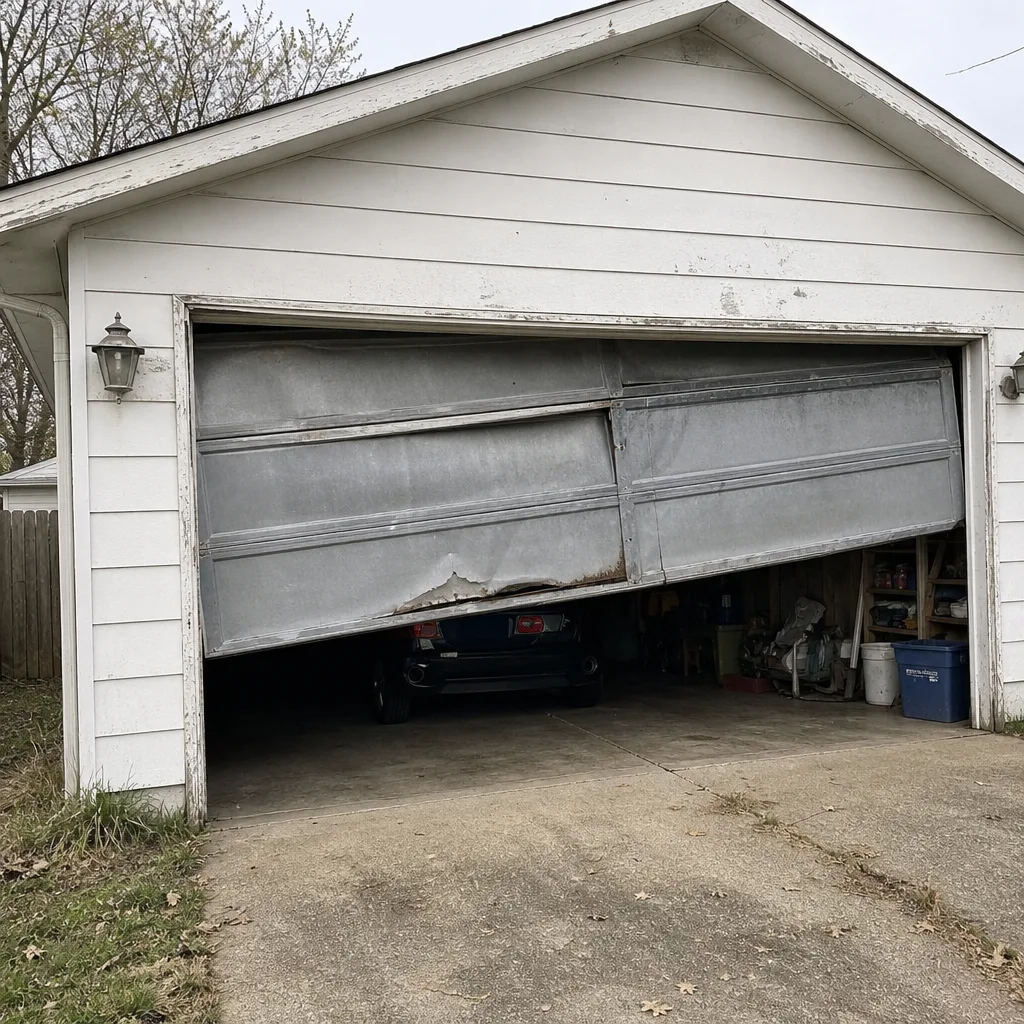
- The door is hanging unevenly or has come off one track.
- The door drops, slams, or falls faster than normal on its way down.
- Any sign of damage to the springs – a visibly broken spring, a gap in the coils, or a coil that looks separated.
- The door won’t stay up on its own when opened by hand, or it feels dangerously heavy to lift.
On any of these, stop cycling the door. Don’t try to force it, and don’t let anyone stand under it. A door with a broken spring is heavy and unbalanced, and a door off its track can come down. This is exactly what our emergency garage door service exists for, and it’s why we treat emergency calls as a real commitment rather than a line item.
Schedule within the week – not urgent, but don’t wait
- Grinding only when the door first starts, or intermittent squealing.
- The door hesitates before starting, but opens and closes fully.
- A remote that works only up close, or one button that’s stopped responding.
- A door that reverses on the way down because of a misaligned sensor.
- Scraping from a track that’s slightly out of alignment but not binding.
These are signs a component is wearing but hasn’t failed. They’re the cheapest jobs you’ll ever book because they replace a part before it takes neighbors with it. Getting it fixed right the first time is the whole goal of catching these signals early.
Reynoldsburg Seasonal Shifts and the False-Positive Problem
Central Ohio weather is hard on garage doors in a way coastal and desert climates aren’t, and it also produces warning-sign lookalikes that aren’t actually problems. Reynoldsburg sits in a climate with real seasonal swings – cold snaps, warm spells, and humidity shifts – and every temperature swing moves the door’s components slightly as the wood framing, the metal door, and the concrete slab expand and contract at different rates.
Here’s what that means for what you’ll see:
- A door that runs slightly stiffer on the first cold morning of the season. The lubricant in rollers and hinges thickens in cold weather, and the door can feel stiffer for the first few cycles. If it smooths out within a minute or two of running, it’s temperature, not a failure. If it stays stiff all day, it’s a real sign.
- A door that drags slightly for a week during a warm spell. Warm, humid air swells wood framing and can make a door that rubs slightly rub a bit more. If the scraping disappears when temperatures drop back, it’s likely thermal. If it doesn’t, the track or the panel has moved.
- A door that suddenly needs a second press to start in cold weather. Some logic boards and batteries act differently in cold; it’s usually not the door, but if the pause persists in warm weather too, it’s a worn gear or board.
- A door that reverses on the first cold morning. Cold weather can stiffen the door enough that the opener’s force setting no longer closes it cleanly. The safety reverse is doing its job – it’s telling you the door is harder to close than it used to be.
The rule of thumb: if a symptom appears during a temperature swing and disappears within a few cycles once the door has warmed up or cooled, it’s probably thermal. If it persists, it’s a real warning sign. Living in Reynoldsburg means these lookalikes are part of the routine; treating them as a real failure every time is wasted money, and treating a persistent problem as “just the weather” is how a small fix turns into a spring job.
The Five-Minute Visual Walkaround
You don’t need tools to do most of this check. Set aside five minutes on a weekend, stand safely off to the side of the door, and look at the system from the ground up.
- Look at the door face. Check for panels that are visibly sagging, cracked, or starting to separate. On steel doors, small dents can turn into panel bind; on wood doors, look for swelling or rot near the bottom.
- Look at the hinges and rollers. Rollers should move freely, hinges should be tight, and nothing should be visibly bent or missing. A roller that’s come out of the track needs a technician.
- Look at the springs. A torsion spring that’s broken shows a visible gap or separation. Extension springs can stretch out of shape. Never touch a spring – just look from a safe distance.
- Look at the cables. Frayed, kinked, or slack cables are a hard stop. A cable under tension can be dangerous even when it’s intact; a frayed one can snap without warning.
- Check the seal at the bottom. A worn or torn bottom seal lets in Ohio’s cold and rain, and it also puts uneven pressure on the door at the floor. A seal that’s coming loose is a cheap fix.
- Check the tracks. They should be straight and evenly spaced. A bent track or one that’s been knocked out of alignment is a common problem after the door takes a hit.
What you’re looking for is a change from what you remember. A door that was clean and straight last season but has a new sag, a new bend, or a new sound is telling you something.
Common Mistakes to Avoid
- Self-diagnosing a spring problem as a track problem. A door that’s slow or stuck on one side usually isn’t a track issue. If you’ve already got a track repair scheduled and it turns out to be the spring, you’ve spent money on the wrong diagnosis. Let a technician check the whole system.
- Using WD-40 on springs and cables. Lubrication is fine on rollers and hinges, but spraying springs and cables is a waste of time and can mask a real problem. If you’re not sure what to lubricate, ask.
- Continuing to run a door that’s grinding. Grinding is the sound of metal abrading metal. Every cycle makes it worse, and it’s the most common way a cheap roller replacement becomes a bigger repair. In Reynoldsburg, a grinding door that’s already been making noise for a few weeks often needs more than rollers by the time it’s looked at.
- Ignoring a single loud pop. A pop followed by a door that opens normally is often a spring that’s slipped or partially failed. It may open fine for a few more cycles before it doesn’t, so get it checked now rather than later.
- Adjusting the opener’s force setting to “fix” a strain. Raising the force setting compensates for a door that’s getting harder to lift, which means it’s masking the real problem – a failing spring, a binding track, or a dry roller. The opener will eventually fail under the load, so fix the door instead of the opener’s settings.
- Using a general handyman for spring or cable work. These are the two most dangerous jobs on a garage door, and they’re not a general handyman’s job. We specialize in garage doors only, and that matters most here.
- Waiting until the door fails to schedule a repair in Reynoldsburg. Garage doors are the kind of thing where the first warning is often the cheapest warning. A door that’s been grinding for a week usually needs less work than a door that’s been grinding for a month and has snapped a spring.
See the difference
 Before
 After
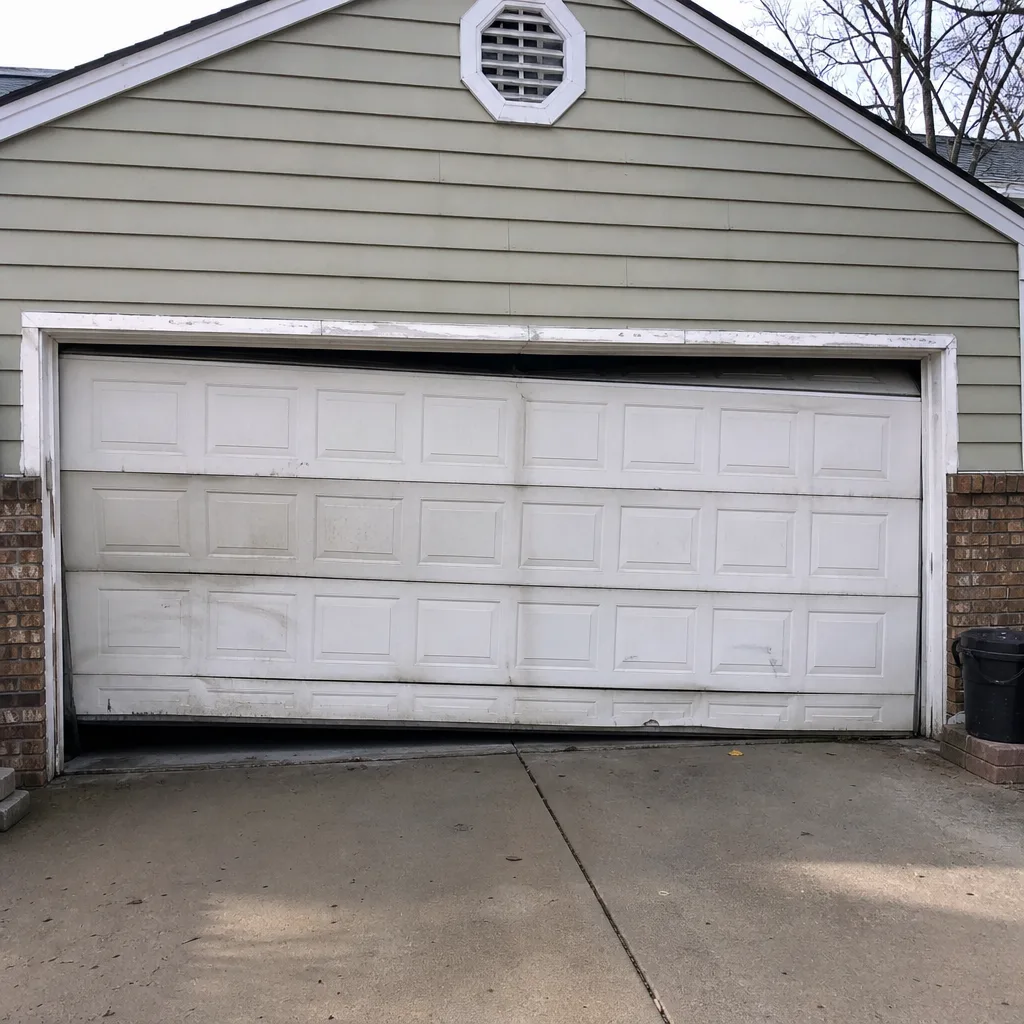 Before
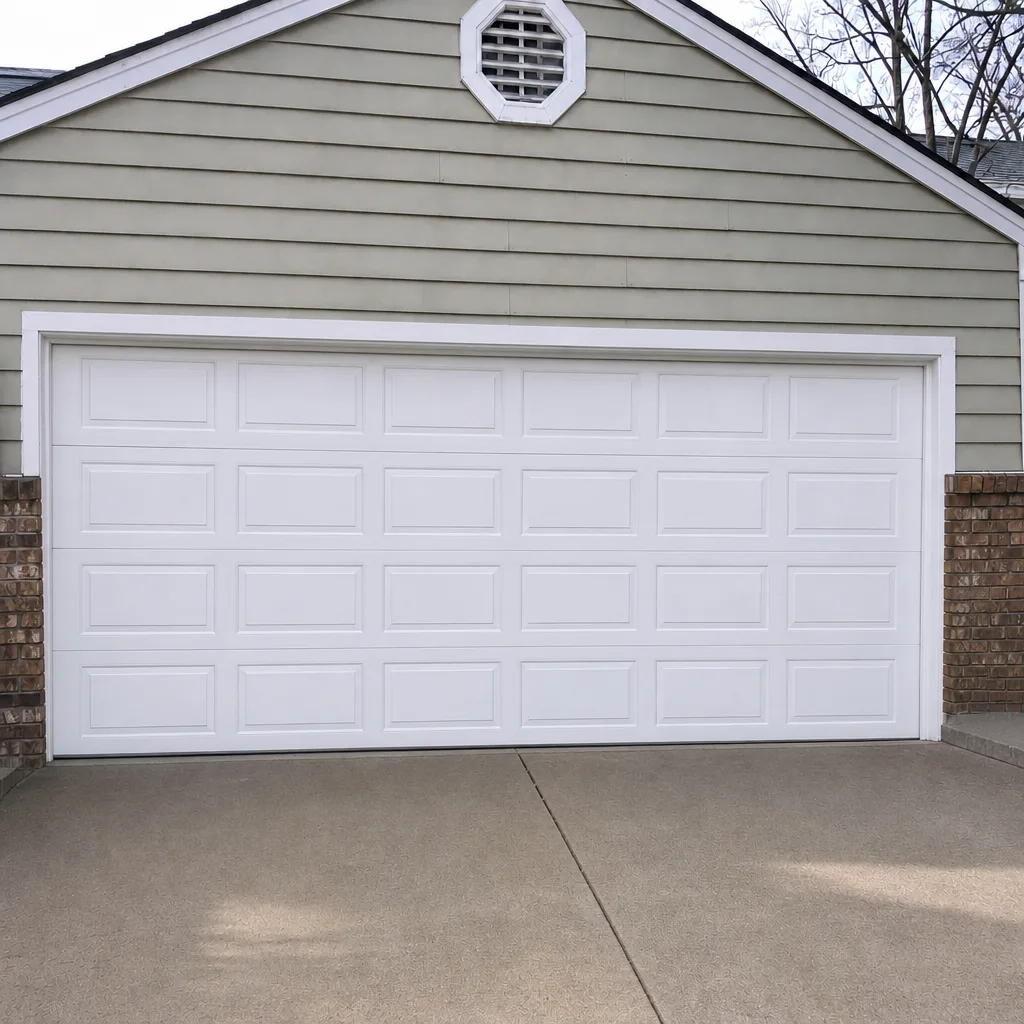 After
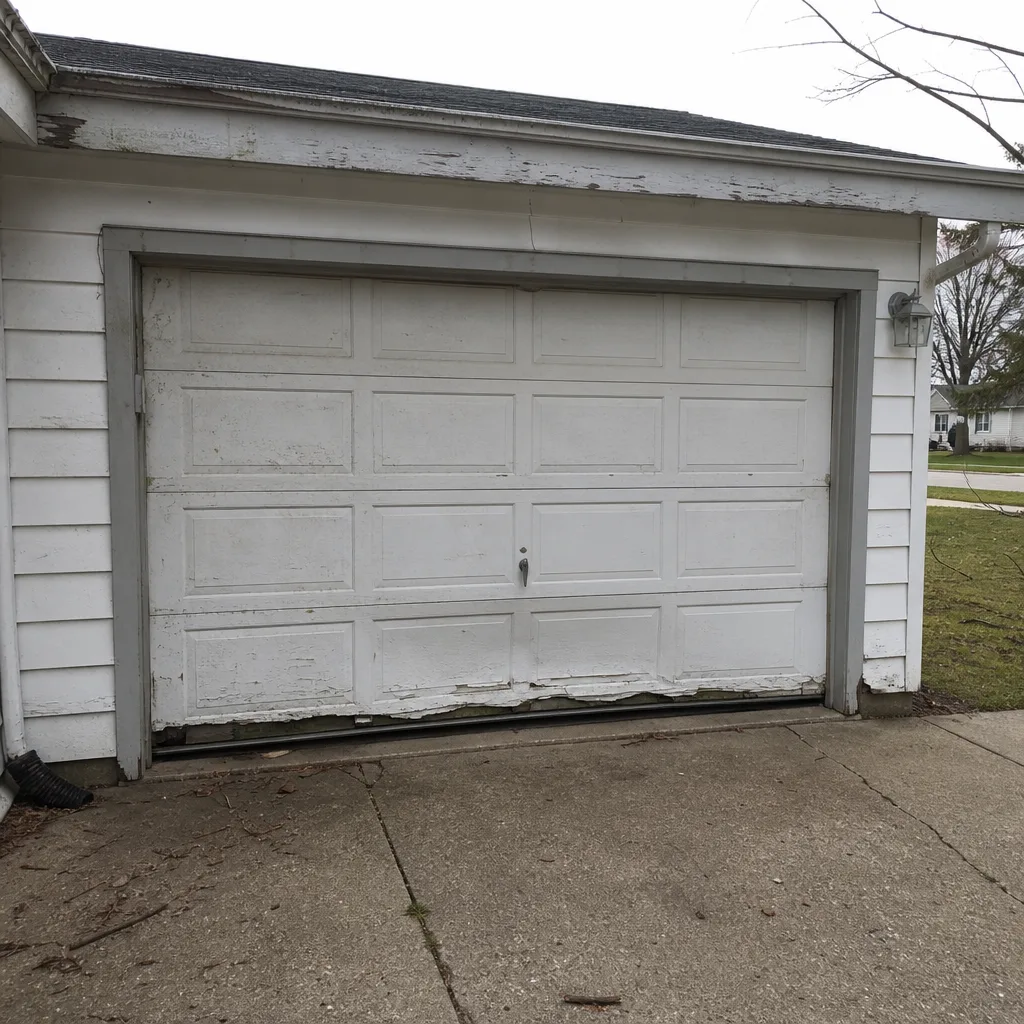 Before
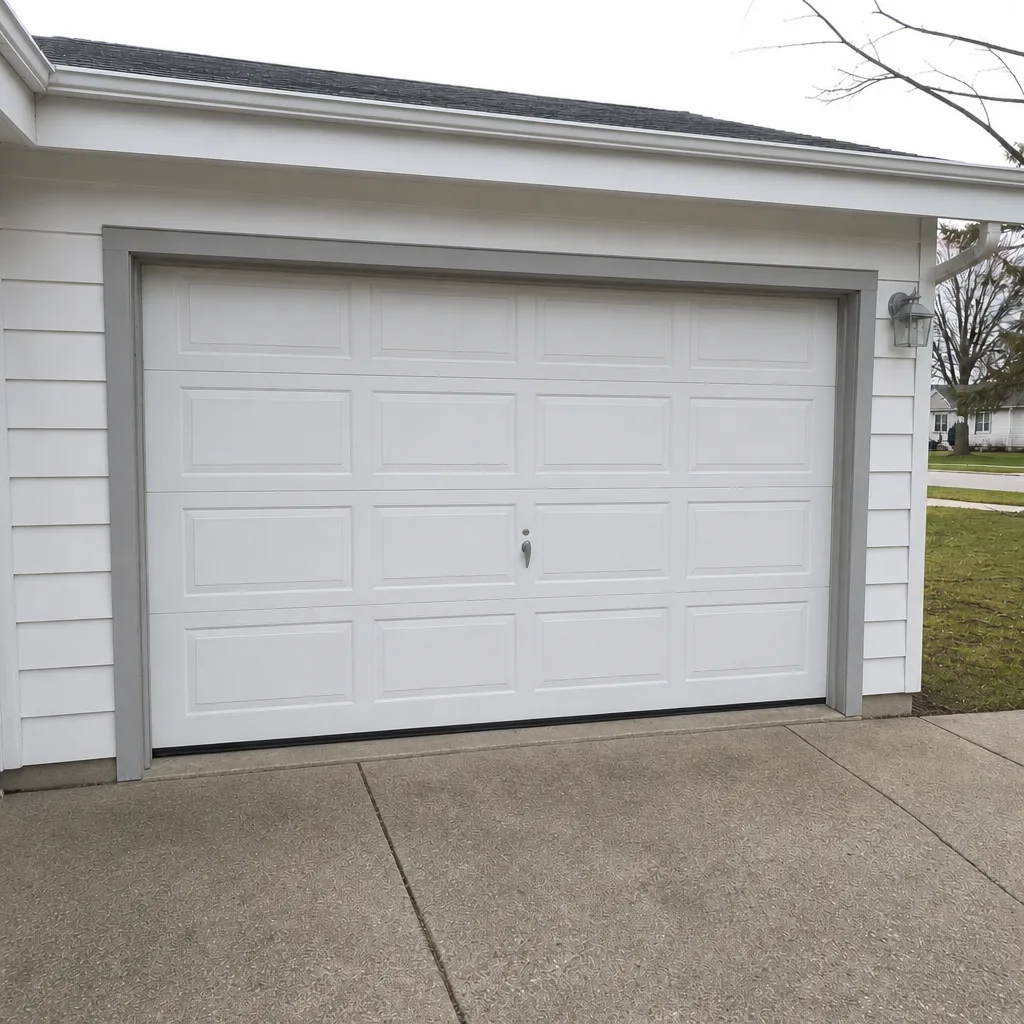 After
When to Call a Professional
Call a professional when the door is off its track, when a spring has popped or looks broken, when a cable is frayed or slack, when the door slams or falls, or when the door won’t stay up on its own when you lift it. Those are safety issues, and a garage door is a heavy piece of equipment that’s under spring and cable tension every time it moves – two of the most dangerous components in the average home’s garage. Call immediately if anyone’s been injured or if something’s trapped.
Less urgent but worth scheduling within the week: grinding, scraping, an opener that hesitates, a remote that’s stopped working, or a door that reverses when it shouldn’t. We work on whatever system is already in your garage, so you’re not waiting on a brand-specific parts order before you can get fixed. Garage Door Repair Reynoldsburg offers free estimates in Reynoldsburg – call (833) 901-6679.
Frequently Asked Questions
The most common signs we see are grinding or squealing noises, a door that lifts unevenly, and an opener that hesitates or reverses without a blocked sensor. Central Ohio’s temperature swings add a fourth: doors that run slightly heavier during cold snaps and smooth out after a minute. If your door shows one of these for more than a few cycles, it’s worth a look – call (833) 901-6679 for a free estimate.
Grinding usually means worn rollers, a failing bearing, or a torsion system that’s starting to bind. It’s rarely an emergency by itself, but it will keep getting worse with every cycle, so it’s the kind of thing to schedule soon rather than wait out. If the door still moves cleanly and stays level, schedule it this week.
A spring that’s failing usually starts with a sharp pop or bang when the door begins moving, and the door may lift slower on one side or struggle to open. A failing cable tends to show visible fraying or kinking, and the door can start to list to one side more gradually. Both are a stop-using-the-door sign until a technician has looked at it.
Yes for most repairs and emergency calls – a broken spring, a stuck door, a snapped cable, or a door that’s stuck partway open is often handled the same day. We treat emergency garage door service as a real availability commitment, not a footnote. For a full door installation or replacement, the job is measured and scheduled, and we’ll give you a written price before any work begins.
Not without your okay. We diagnose the door, quote the repair, and the price is agreed before any work starts. If the diagnosis changes mid-job, you hear it from us before any additional work. Call (833) 901-6679 for a quote – estimates are free.
Don’t wait. Ohio’s temperature swings can make a door feel slightly stiffer during cold snaps, and that’s normal, but grinding is a metal-on-metal sound that doesn’t get better with the weather. If it’s been grinding for more than a week, call (833) 901-6679 and have it checked.
The Bottom Line
A garage door telegraphs its problems for days or weeks: a new grinding sound, a slow list to one side, a hesitation before the opener engages. Learning to read those signals is how you avoid the panic call – you get to book a repair on your schedule instead of discovering a dead door on a workday morning. The signals you can’t ignore (a pop, a snapped cable, a door that falls) are the safety ones; the rest can usually be scheduled within the week. If nothing else, remember that a door that’s been making noise for a month is the door that eventually needs a Garage Door Repair Reynoldsburg emergency call – catch it earlier and it costs less.
If you’re not sure what you’re seeing or hearing, that’s what we’re here for. We work on Amarr, Wayne Dalton, Craftsman, Raynor, and the other major brands, and garage doors are all we do. Call (833) 901-6679 for a free estimate in Reynoldsburg.
Written by the team at Garage Door Repair Reynoldsburg.