Last updated November 22, 2026
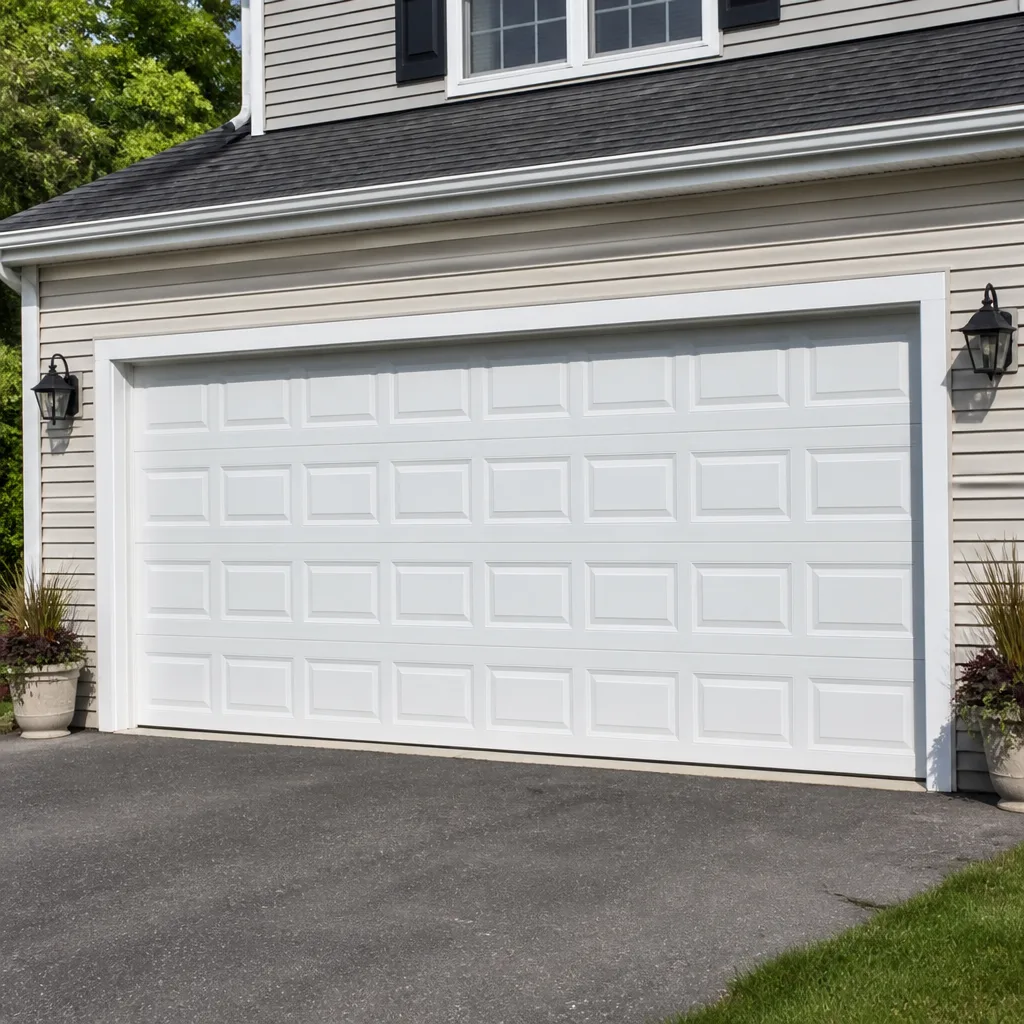 Raised-panel steel
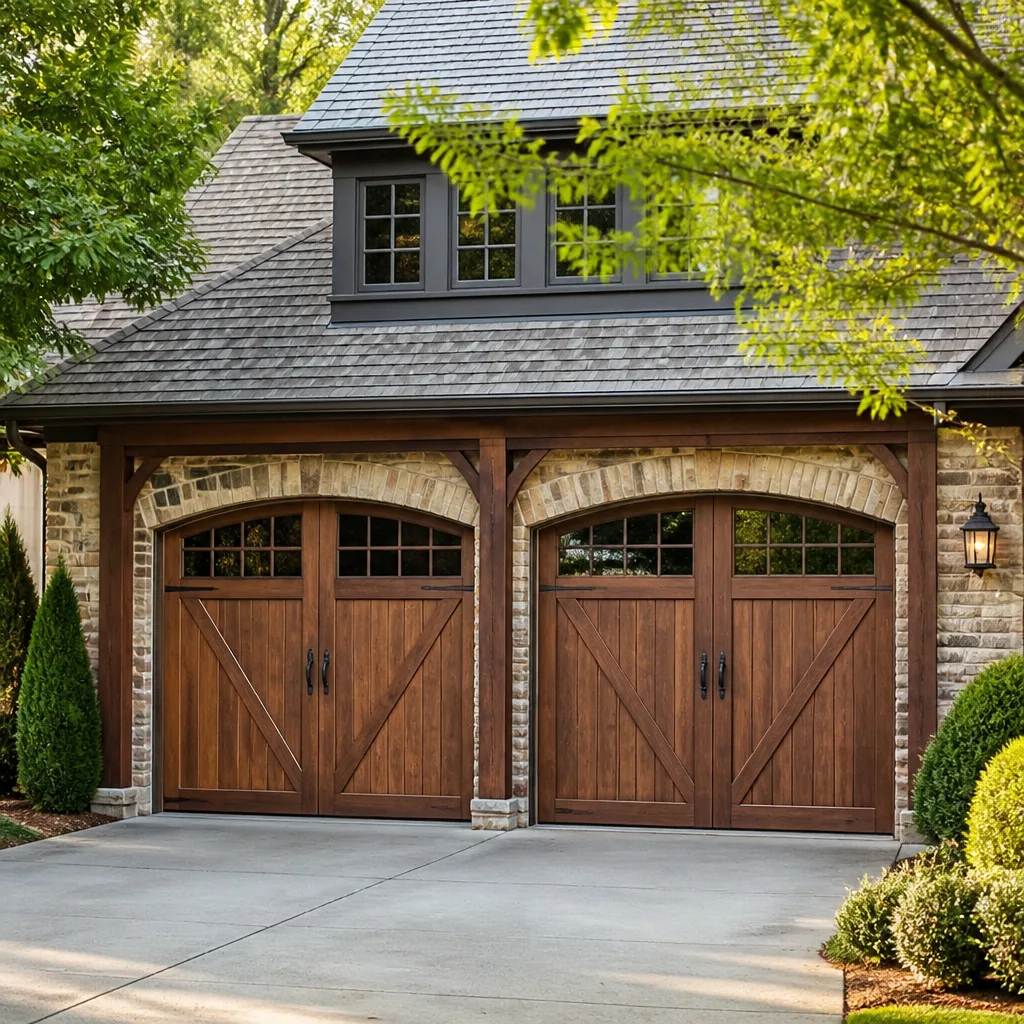 Carriage house
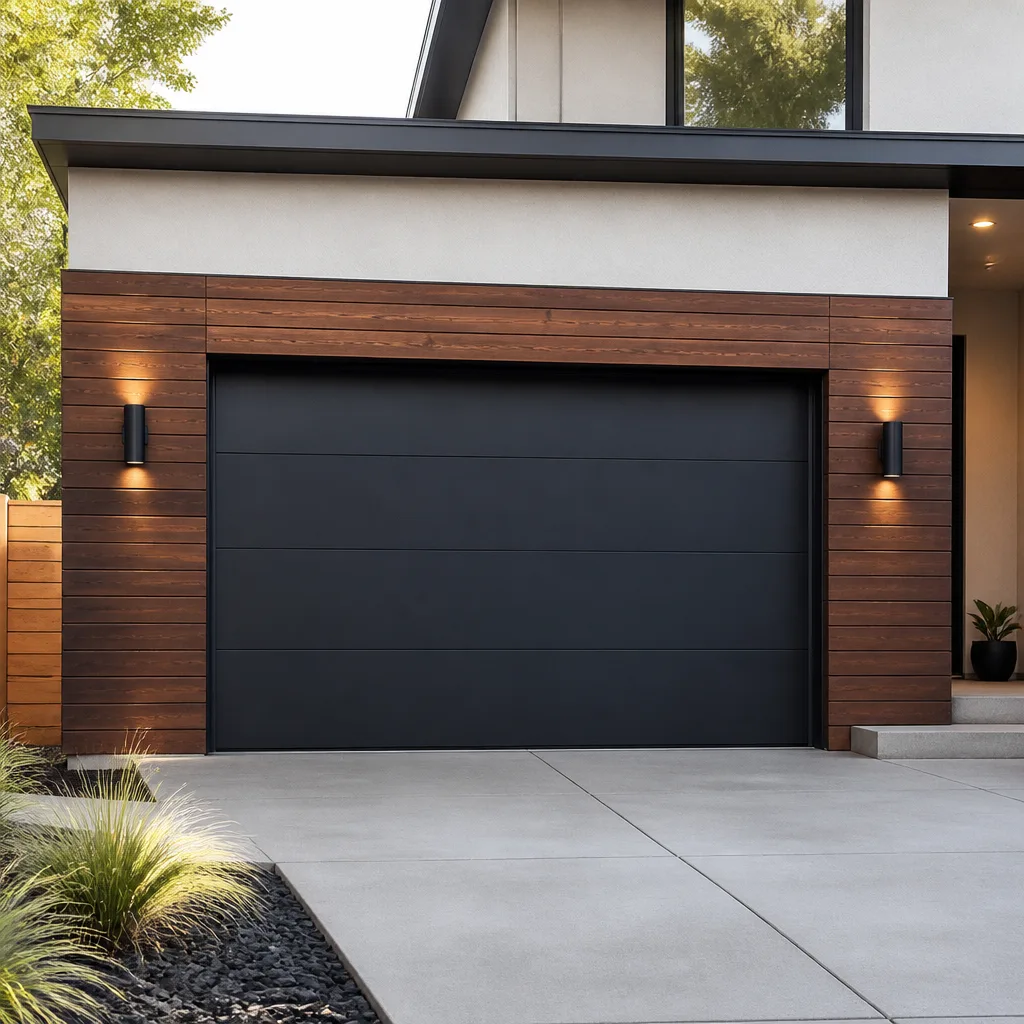 Modern flush
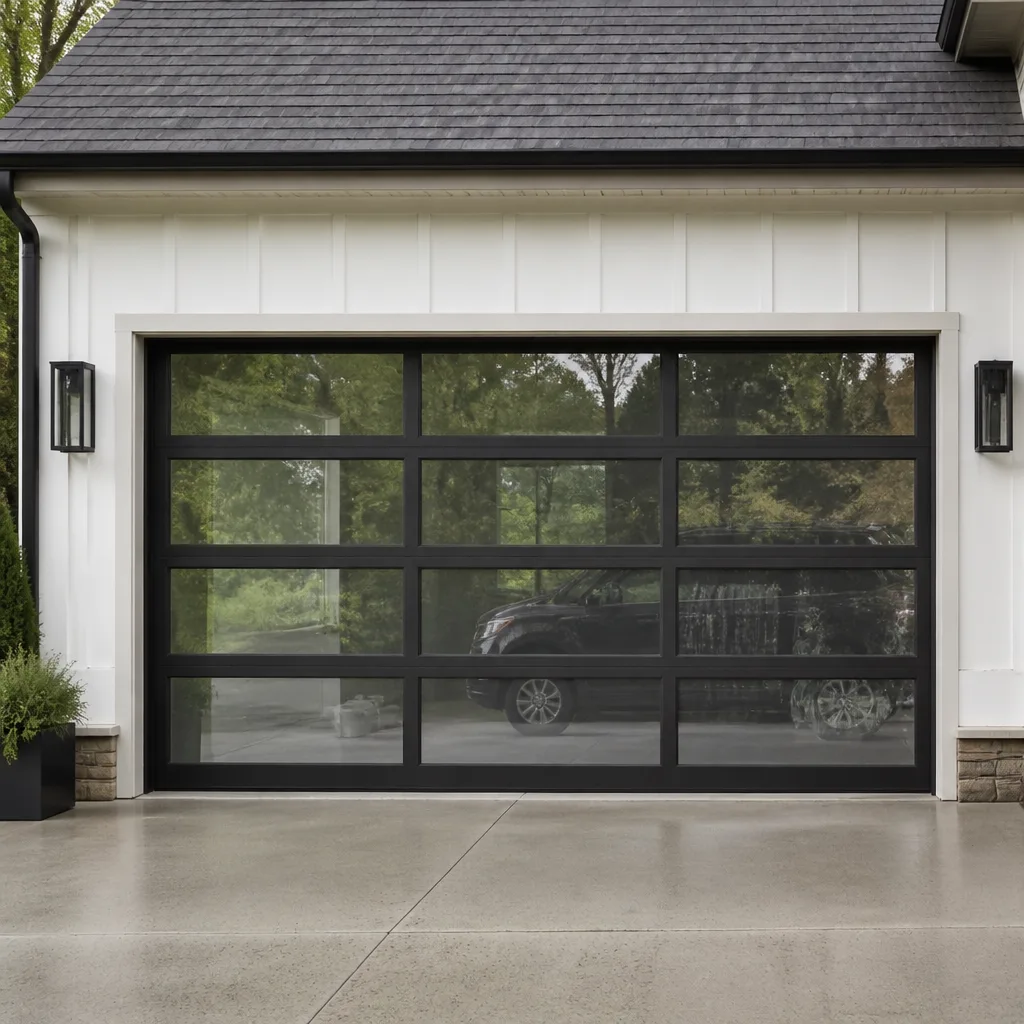 Full-view glass
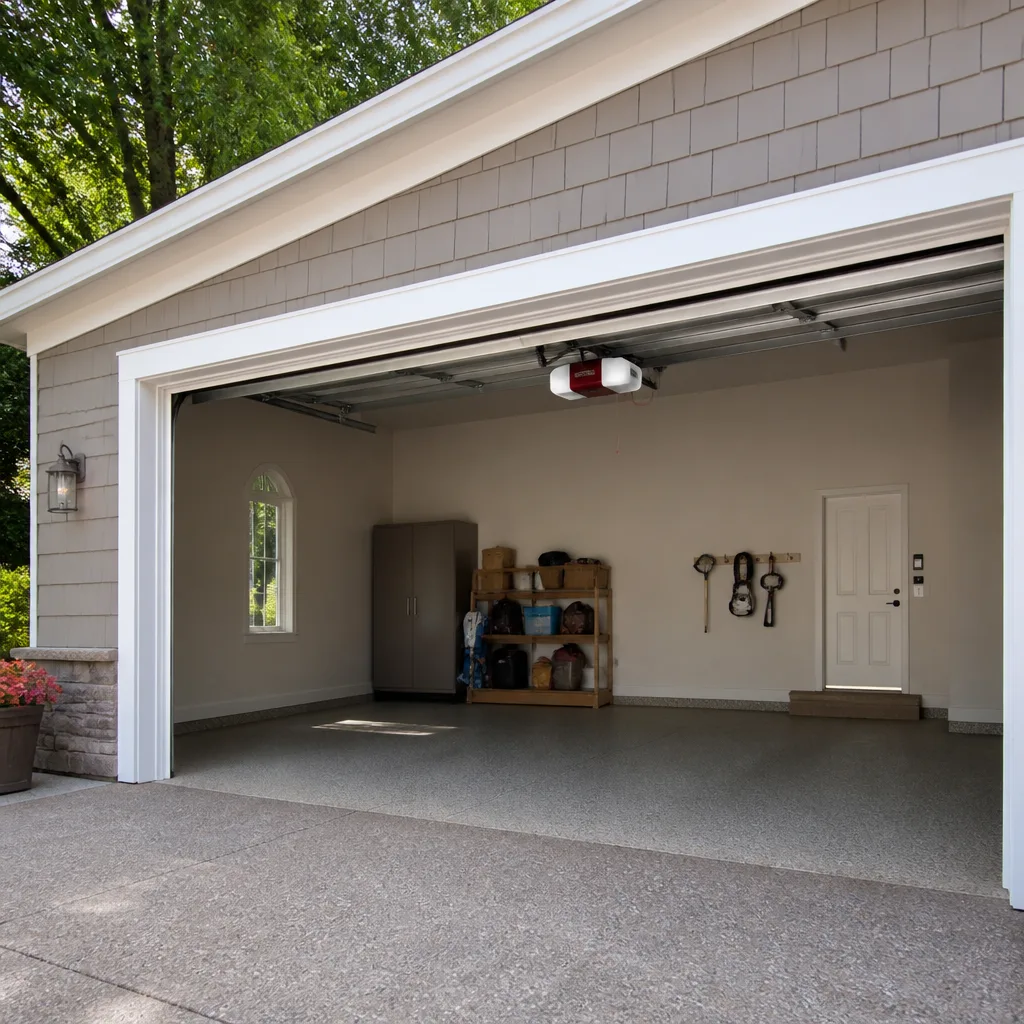 LiftMaster openers
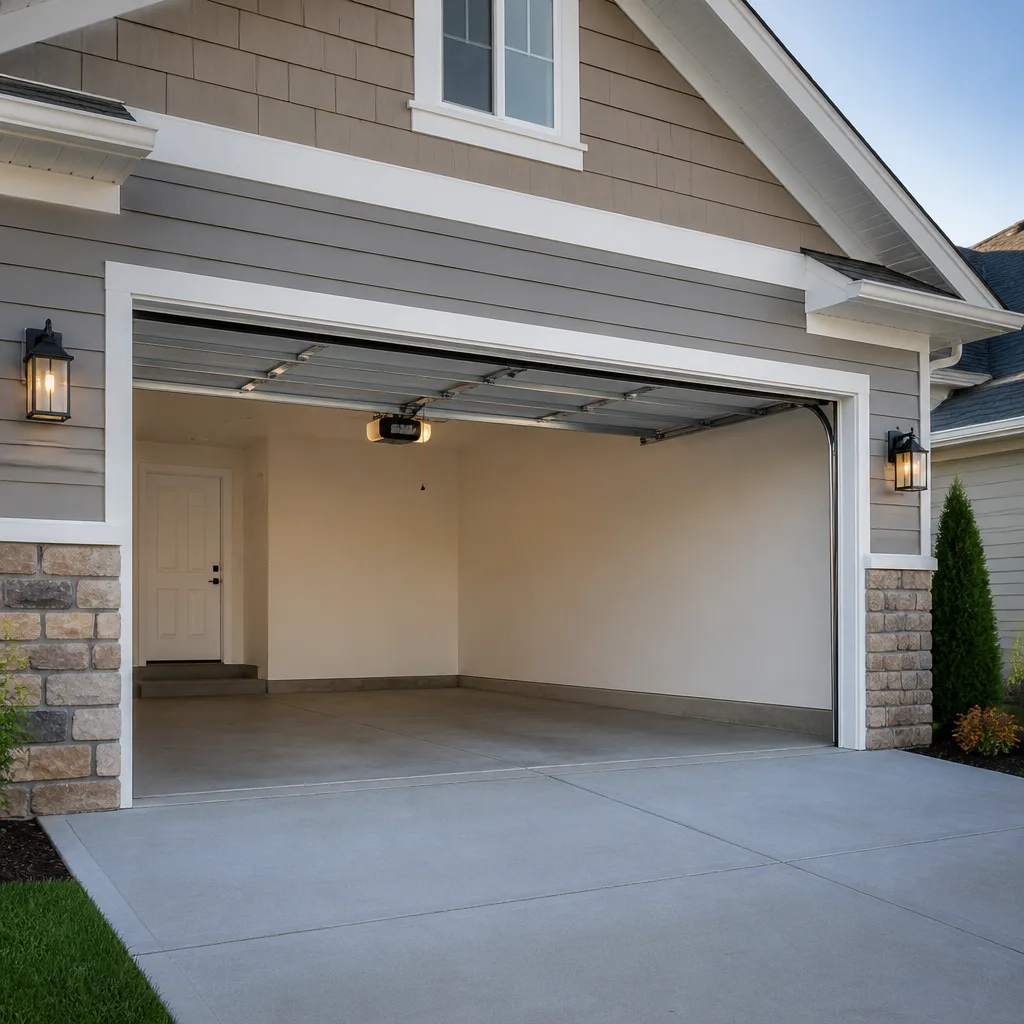 Chamberlain openers
Full 25-point door and opener safety check with every visit - springs, cables, rollers, tracks, and your LiftMaster or Chamberlain opener included
You get a price before we start. It does not change when the pro arrives.
Get your free estimateSeasonal Garage Door Care for Reynoldsburg: Year-Round Homeowner’s Guide
Most homeowners in Reynoldsburg assume their garage door is at its most fragile in the dead of January. In our experience, that’s wrong. The failures we get called about cluster at the edges of the seasons, in the handful of days when the weather changes fast. A spring that cycled cleanly all summer can let go on the first cold morning of November, when overnight temperatures fall thirty degrees in a weekend and the steel it’s made of can’t keep up. Reynoldsburg sits in a part of central Ohio where the temperature does that often. This guide is built around those transition points, not the tidy four-season calendar. You’ll learn what to check and when, how freezing and thawing affect each part of the door, and how to catch small problems before they turn into a call from a driveway.
Quick Answer
The best seasonal care routine for a Reynoldsburg garage door follows the weather’s sharp transitions rather than the calendar: a full lubrication and balance check in September, a freeze-focused inspection before the first hard cold snap, a thaw-season look at seals and frames in March, and a heat check on tracks and safety sensors after the first hot streak. Three of those four touch points take under thirty minutes and prevent most of the emergency calls we see.
Styles & brands we work with
- Raised-panel steel
- Carriage house
- Modern flush
- Full-view glass
- LiftMaster openers
- Chamberlain openers
Table of Contents
- Why Reynoldsburg Doors Fail at the Transitions, Not the Extremes
- The September Routine: The One Task That Prevents Most Winter Calls
- Pre-Winter Prep: Seals, Photo-Eyes, and Spring Tension
- Mid-Winter Protocol: A Door Frozen to the Floor vs. a Straining Opener
- The Spring Thaw Checklist: Why March Exposes Winter Damage
- Summer Heat Care: Thermal Expansion, Tracks, and Safety Reversal
- How Door Material Changes the Seasonal Routine
- Common Mistakes to Avoid
- When to Call a Professional
- Frequently Asked Questions
Why Reynoldsburg Doors Fail at the Transitions, Not the Extremes
Garage doors are mostly steel, aluminum, and high-tension springs, and all three respond to temperature. The trouble isn’t steady cold or steady heat. It’s the rapid swing between them, which is a fixed feature of living in Reynoldsburg and the surrounding stretch of central Ohio. A January that sits at a steady twenty degrees is easier on a door than a November week that bounces from sixty to below freezing and back.
Here’s what happens mechanically. Metal tracks expand and contract at a different rate than the wood framing they’re bolted to. When the temperature moves fast, those materials shift against each other before the fasteners can settle. Springs that have cycled thousands of times lose a little tension with every shift, and the first genuinely cold night after a mild stretch is when a weakened spring gives out. Seals stiffen, door panels bow slightly, and the rollers bind in tracks that were smooth the week before.
We see this pattern repeat across Reynoldsburg neighborhoods throughout the year. A door on the south-facing side of a house, cooked all afternoon by direct sun, runs hotter than the same door on the north side, so the two fail differently in the same week. Homes near the older tree-lined blocks deal with more debris in the tracks after a wind event, while newer subdivisions on the east side tend to have doors that see more direct afternoon sun and more heat-driven expansion in July.
The takeaway is simple: stop thinking about seasonal care as four separate jobs. Think of it as four transition windows, each with a short checklist.
The four transition windows
- Late September, before the first cold snap: full lubrication and balance check.
- Early November, as overnight temperatures drop hard: seal, sensor, and spring-tension inspection.
- March, when the ground thaws: seal, frame, and track inspection.
- The first sustained hot streak in early summer: track alignment and safety-reversal recheck.
Each one connects to the next. A door that gets the September routine done properly usually sails through November. One that skips it shows up in our spring schedule in March.
The September Routine: The One Task That Prevents Most Winter Calls
If you do only one thing all year, do it in September. A complete lubrication and balance check performed before the first temperature swings prevents most of the cold-weather service calls we see in Reynoldsburg. Most, not all. The doors that still fail in January are almost always ones that skipped this step.
The September checklist
- Lubricate every moving metal joint with a garage-door-specific lubricant, not general household oil. Hit the rollers, the hinges, and the bearing plates at each end of the torsion bar. Avoid the tracks themselves; those should stay clean and dry.
- Test the balance. Disconnect the opener using the release handle, lift the door halfway by hand, and let go. A balanced door stays put. A door that drifts down on its own is telling you the springs are losing tension and need attention.
- Check the weather seal at the bottom for cracks, hardening, or gaps. A stiff seal that won’t flatten to the floor lets cold air and moisture in all winter.
- Look at the photo-eye sensors. Wipe the lenses and confirm the indicator lights on both sensors are solid, not flickering. Sun angle shifts in fall and a misaligned sensor will start tripping the safety reversal.
- Listen to the opener. A grinding, rattling, or uneven sound in September usually means a worn gear or a loosening chain that will get worse in the cold.
- Tighten the hardware. Hinges and brackets work loose over a summer of cycles. A quick pass with a socket wrench sets you up for winter.
The reason September matters so much in Reynoldsburg is timing. Once the overnight lows start dropping thirty degrees in a weekend, a door that was slightly out of balance is under more load than it was designed for. The spring does the extra work. Springs that are already marginal fail under that load, and the failure tends to happen on a cold morning when you’re trying to leave. Getting ahead of it in September is the difference between a maintenance task and a morning spent waiting on a repair.
If your balance test shows the door drifting or a spring that looks stretched or has a visible gap in the coil, leave it alone and get it looked at. High-tension springs are the most dangerous component on the whole door. They store enough force to cause serious injury when they let go, and they can release without warning if you handle them wrong. That’s one job for a trained technician, never a weekend project.
Pre-Winter Prep: Seals, Photo-Eyes, and Spring Tension
By early November, Reynoldsburg is heading into its first real cold window. This is where the focus narrows to the three components most vulnerable to Ohio’s freeze-thaw cycle. Freeze-thaw is the pattern where daytime temperatures climb above freezing, snow and ice melt, and water seeps into small gaps, then refreezes overnight and expands. It’s the expansion that does the damage, and it targets the places where the door meets the outside world.
Bottom seals
The rubber or vinyl seal along the bottom of the door is your first line against moisture. When it cracks or stiffens, meltwater gets under the door and freezes against the threshold. That ice layer then bonds the seal to the concrete. The next time the opener lifts the door, it’s fighting a frozen bond. Inspect the seal along its full length, not just the middle. Gaps at the corners and ends are the most common, and they’re easy to miss until the door won’t lift cleanly on a cold morning.
Photo-eye alignment
Safety sensors sit low, near the floor, right where slush and splashing collect. Cold weather makes the plastic housings more brittle, and a knock from a snow shovel or a shifting car can nudge one out of alignment. Check that both indicator lights are solid and that nothing, including drifted snow or debris, sits in the beam path. If the door reverses for no clear reason in winter, the sensors are the first thing to inspect.
Spring tension
This is where cold does the most invisible work. Steel springs behave differently in cold temperatures; they resist flexing more and are slightly more prone to stress. A spring that was already carrying extra load because of loose hardware or a slightly heavy door is closer to failure than its age suggests. Listen for a door that sounds heavier or slower at the start of a lift. That’s the spring telling you it’s tired. A visual inspection for stretched coils, gaps, or rust is as far as most homeowners should go, because a spring under tension can release suddenly and cause serious injury. Trust a technician with anything beyond a look.
- Inspect the bottom seal for cracks and gaps, especially at the corners.
- Clean and align the photo-eye sensors; confirm both lights are solid.
- Watch for a heavier, slower lift on the first cold mornings.
- Clear fallen leaves and debris from the tracks before the first freeze.
Mid-Winter Protocol: A Door Frozen to the Floor vs. a Straining Opener
Two winter problems look similar and get treated as one. They’re different, and mixing them up makes both worse. Learn to tell them apart before the deep cold arrives.
Problem one: the door is frozen to the floor
You press the button and the opener hums, but the door doesn’t move, or it moves a fraction and stops. This usually means the bottom seal has frozen to the concrete. Meltwater ran under the door during a warm afternoon, then refroze overnight. If you keep holding the button and forcing it, you’re loading the opener’s gears against a solid bond. That’s how a small seal problem becomes a burnt-out opener motor.
The right move is to free the seal gently before opening, working a plastic wedge or a soft tool under the edge, never a metal pry bar that can tear the rubber. Once it’s loose, clear the ice from the threshold and the seal. If it keeps happening, the seal likely needs replacement, or water is pooling at the threshold because of the grade.
Problem two: the door moves but the opener strains
You press the button and the door opens, but the opener sounds labored: grinding, groaning, or moving slowly. That’s not a seal problem. That’s the opener working harder than it should because cold has stiffened the door’s moving parts or the spring has lost some tension. Lubrication helps here, along with a balance check. But if the strain continues after those, the opener or the spring needs a closer look. Grinding under load is a warning sign, and it usually means a worn gear or a spring issue that will only get worse in the cold.
What to do when the opener is straining
- Disconnect the opener and try the door by hand to check balance and resistance.
- Lubricate the rollers and hinges again, and check that the tracks are clear of ice and grit.
- Inspect the spring for visible signs of wear, but don’t touch it.
- If the door still feels heavy or the opener still grinds, stop using it and call a technician.
If the door fails entirely and you’re stuck with a car inside, that’s what our emergency service is for. A garage door that won’t close leaves the house open to the weather and to the street, and it’s not something to sit on for a day.
The Spring Thaw Checklist: Why March Exposes Winter Damage
Plenty of Reynoldsburg doors that coasted through January show their damage in March. This surprises homeowners. The door “worked fine all winter,” and then the ice goes out and suddenly the seal is torn, the track is out of line, and a panel isn’t sitting right. The reason is that winter doesn’t finish its work in winter. It sets up problems that the thaw reveals.
When the ground thaws, soil that was frozen solid starts moving. Around the garage foundation, that movement can be uneven, and the wood framing that holds the door and its tracks shifts with it. A track that was perfectly aligned in January can pull slightly out of plumb in March. Panels that had melted snow sitting against them all winter show paint damage, rust, or water in the seams. The seal that cracked in January was pressed so tight against the ice it couldn’t be seen until the ice went away.
March checklist
- Inspect the bottom seal for tears and water damage. The freeze-thaw cycle is hard on rubber, and a small crack from January may have opened up over the winter.
- Look along both tracks for gaps or misalignment. Run a short level against them; a track that isn’t vertical will start binding as the weather warms and the door settles back to a normal fit.
- Check each panel for rust, blisters, or paint peeling at the bottom edge. Water sitting against a panel all winter shows up first at the seam.
- Test the door balance again. Spring tension that shifted in the cold can leave the door out of balance now that temperatures are up.
- Clear winter debris from the tracks and check the rollers for flat spots.
- Recheck the safety sensors. Dirt and salt splashed up on winter roads can coat the lenses and cause false tripping.
March is also when the door makes noise that wasn’t there in the fall. Listen for a scrape or a pop as it runs. Those sounds mean something is out of alignment, and a track or panel problem left alone will get worse through the mud and rain season. If any of this turns up, it’s worth a free estimate to know whether it’s a fix you can ignore for now or one that needs attention before summer.
Summer Heat Care: Thermal Expansion, Tracks, and Safety Reversal
Summer is the season most homeowners stop thinking about the garage door, which is a mistake. Heat stresses the door in ways cold doesn’t, and the problems it creates are easy to miss because nothing fails loudly. Metal tracks expand in direct sun. A track that was tight in April starts to bow slightly by July, and a door that ran smoothly starts to bind or scrape. Central Ohio’s summer heat streaks, where the temperature climbs and stays there for a week or more, are when this shows up.
Rollers are affected too. The nylon or steel wheels swell a little in the heat, and a roller that was a snug fit in its track becomes tight, then starts to grind. Doors on the sunny side of the house, especially ones with dark paint that absorbs heat, run consistently hotter than the shaded side, so the two sides of the same door can behave differently.
The one safety recheck to do after a hot streak
Safety reversal is the function that stops the door and sends it back up if something gets in the way. It’s tested with a small object on the floor, roughly the size of a block of wood, in the door’s path. Heat affects it because the safety sensors and the opener’s sensitivity are both temperature-sensitive. A door that reversed correctly in May can fail to reverse in August if the sensors are coated with dust or the opener’s force limits have drifted. Recheck it after the first hot streak of the summer and again in the fall when things cool down.
- Place a small object in the door’s path on the floor.
- Close the door using the opener and watch.
- Confirm the door reverses on contact with the object and goes back up without continuing down.
- Clean the photo-eye lenses and confirm both indicator lights are solid.
- If the door doesn’t reverse, stop using the automatic opener and call a technician.
Summer is also the season to look at the opener itself. Heat causes electronic components to expand, and an opener that was fine in spring can start acting up when the garage gets hot in the afternoon. If the door opens on the wall control but not the remote, or the opener runs and stops partway, that’s usually an opener problem rather than a door problem. We handle garage door opener repair across the major brands, including Genie and LiftMaster, so whatever system is already in your garage is one we work on.
How Door Material Changes the Seasonal Routine
The season-to-season routine is broadly the same for every door, but the material changes what you look at and how often. Reynoldsburg has a mix of older steel and wood doors in its established neighborhoods and newer insulated steel and aluminum doors in the subdivisions, so it’s worth knowing which you have.
Steel doors
The most common material in Reynoldsburg. Steel handles the cold well but is vulnerable to rust at the bottom panel, where snow, salt, and moisture collect. It also expands and contracts noticeably with heat, which means track alignment is a more frequent summer concern. Look at the bottom edge and the panel seams after each winter.
Wood doors
Wood moves with moisture. Central Ohio’s humid summers and wet springs make wood doors swell slightly, then shrink in the dry heat. That movement can throw the door out of square over time and cause it to bind in the tracks. Wood also needs seasonal attention to the finish; a failing coat lets water in and freeze-thaw does the rest.
Aluminum and composite doors
Aluminum is lighter than steel and handles temperature swings well, but it dents more easily and the tracks on an aluminum door can flex in direct heat. Composite and vinyl-faced doors are the most stable with moisture, so seals and hardware are the main seasonal focus rather than the door itself.
Brand doesn’t change the routine, but it changes the parts. Clopay and Amarr doors are common in Reynoldsburg, and Wayne Dalton doors have their own track and roller configurations. We work on the brand already in your garage, so you don’t have to find a specialist for yours.
Common Mistakes to Avoid
- Treating the four seasons as equal. The sharp transitions matter more than the depth of the cold. A door that’s fine in February can fail in November because the swing caught it at the wrong time.
- Lubricating the tracks. Tracks should stay clean and dry. Greasing them attracts grit, which grinds the rollers down faster. Lubricate the moving joints, not the track surfaces.
- Force-opening a door that’s frozen to the floor. Holding the button against a frozen seal loads the opener gears hard. Free the seal first, then open. This is one of the easiest ways to turn a seal replacement into an opener replacement.
- Skipping the safety reversal test after a hot streak. Heat can drift the opener’s sensitivity and the sensors. A test that passed in spring isn’t a test that passed in August, and the reversal is what protects kids, pets, and cars.
- Touching the springs. High-tension springs are the most dangerous part of the door. They can release suddenly. Visual inspection only; a technician does the repair.
- Waiting for a small noise to get loud. In Reynoldsburg, a scrape in March becomes a track replacement by June. Small noises are warnings, and the fix is usually cheap and fast when you catch it early.
- Ignoring March because the door “worked all winter.” The thaw is when freeze-thaw damage surfaces. A door that ran fine in January can have a torn seal, a shifted track, and rusting panels by the time the ice goes out.
When to Call a Professional
Most seasonal care is within reach of a homeowner with a few tools: lubrication, seal inspection, sensor cleaning, and a visual check. The line gets crossed in a handful of situations. Call a technician when the door is out of balance, when a spring looks stretched or has a gap in the coil, when the opener grinds or strains under load, when a track is visibly bent or out of line, or when the safety reversal fails its test. Those aren’t jobs to improvise. High-tension springs and opener electronics both carry real risk, and a door that fails while you’re under it is a serious safety issue.
Garage Door Repair Reynoldsburg offers free estimates in Reynoldsburg on any of this, seasonal inspection included. Call (833) 901-6679 and we’ll tell you whether it’s a routine fix or something that needs a technician on it. Our garage door repair team handles every stage of the door, from a single seal to a full panel and track rebuild, and our technicians have up to 13 years of experience.
Frequently Asked Questions
The first hard cold snap of the year, usually in early November. Overnight temperatures can drop thirty degrees in a weekend, and a spring that cycled fine all summer is under more load than it was carrying the week before. That swing, not the depth of January’s cold, is when springs most often fail. If a spring looks stretched or the door sounds heavy on the first cold mornings, call (833) 901-6679 before it lets go.
Once a year in September is the minimum, with a second pass in the spring if the door sees heavy use. The September pass is the important one because it comes before the temperature swings that load the springs and hardware. Use a garage-door-specific lubricant on the rollers, hinges, and bearing plates, and leave the tracks dry.
No. Forcing it loads the opener gears against a solid bond and can burn out the motor or strip a gear. Free the seal gently with a plastic wedge, clear the ice from the threshold, then open it. If it keeps freezing, the seal likely needs replacement or the threshold grade is letting water pool. Call (833) 901-6679 for a free estimate on a new seal.
Because the thaw reveals damage that winter set up. When the ground thaws, the soil around the foundation moves unevenly, and the framing that holds the tracks shifts with it. Seals that cracked in January were pressed against ice and couldn’t be seen until it melted. That’s why a door that ran fine all winter can show a misaligned track, a torn seal, and rusting panels in March.
Disconnect the opener and try the door by hand. If it moves smoothly and stays balanced, the door is fine and the problem is in the opener. If it feels heavy, binds, or drifts, the problem is the door, the springs, or the tracks. That simple test points a technician in the right direction and saves time on diagnosis. Estimates are free, so call (833) 901-6679.
Most likely. We service products from LiftMaster, Chamberlain, Genie, Clopay, Amarr, Wayne Dalton, Craftsman, and Raynor, which covers the wide majority of doors and openers in Reynoldsburg homes. Call (833) 901-6679 with the brand and model, or let a technician identify it on site.
No. We quote and agree on the price before any work starts, and the written estimate sets the final price. Seasonal inspections and small fixes carry a free estimate, so you know the number before you commit. Call (833) 901-6679 for a quote.
The Bottom Line
Seasonal garage door care in Reynoldsburg isn’t a four-season calendar. It’s a routine built around the transitions: the September lubrication and balance check, the pre-winter focus on seals, sensors, and spring tension, the mid-winter split between a frozen door and a straining opener, the March thaw inspection, and the summer heat recheck on tracks and safety reversal. Get the September task done and you prevent most of what winter throws at the door. Inspect in March and you catch what the thaw exposes before it grows. Leave the springs and the opener electronics to a technician, and call us when something sounds wrong. Our garage door spring repair team works on whatever system is in your garage.
If you’re in Reynoldsburg and want the seasonal check done properly, or you’ve heard a noise that wasn’t there last month, call Garage Door Repair Reynoldsburg at (833) 901-6679 for a free estimate. We’ll tell you what needs attention now and what can wait, and we’ll give you the number before we start.
For same-day and emergency service across Reynoldsburg, or to book a seasonal inspection, one call covers it: Garage Door Repair Reynoldsburg.
Written by the team at Garage Door Repair Reynoldsburg.
See the difference
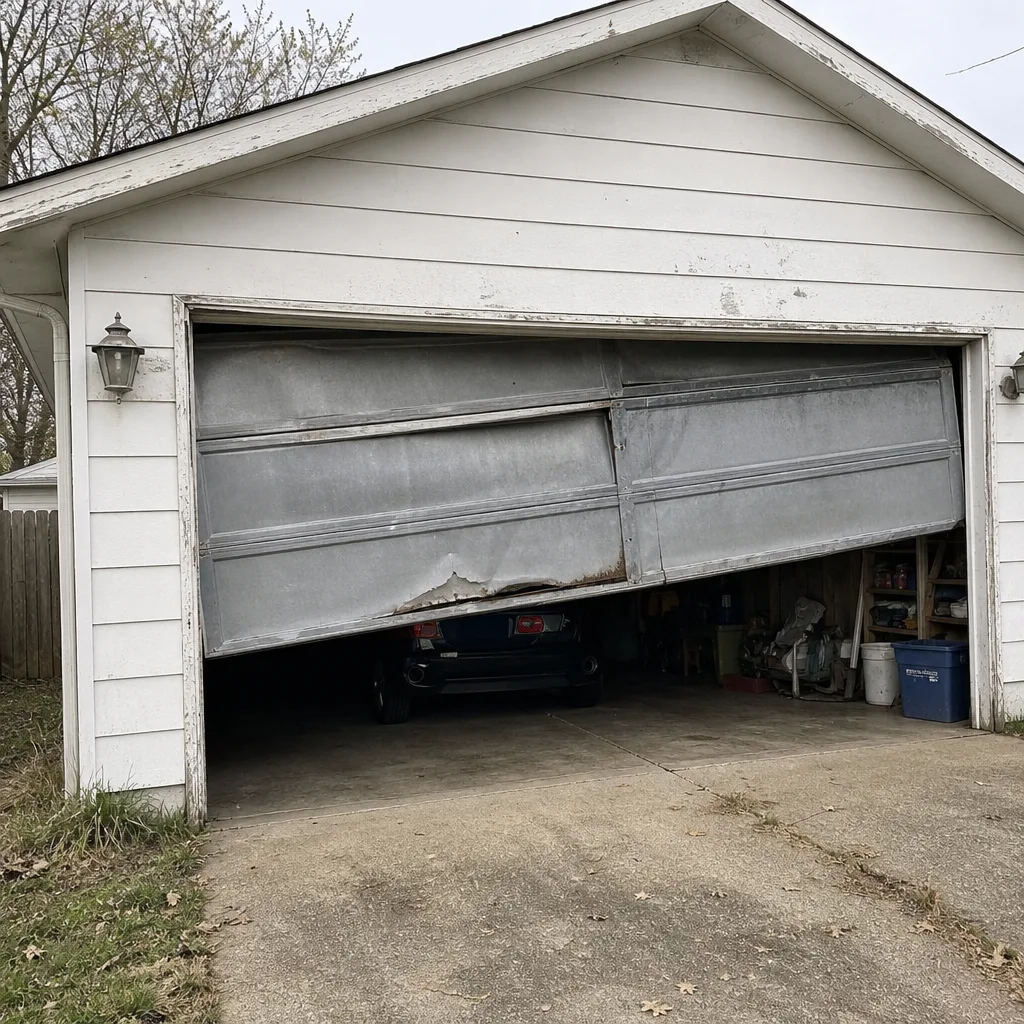 Before
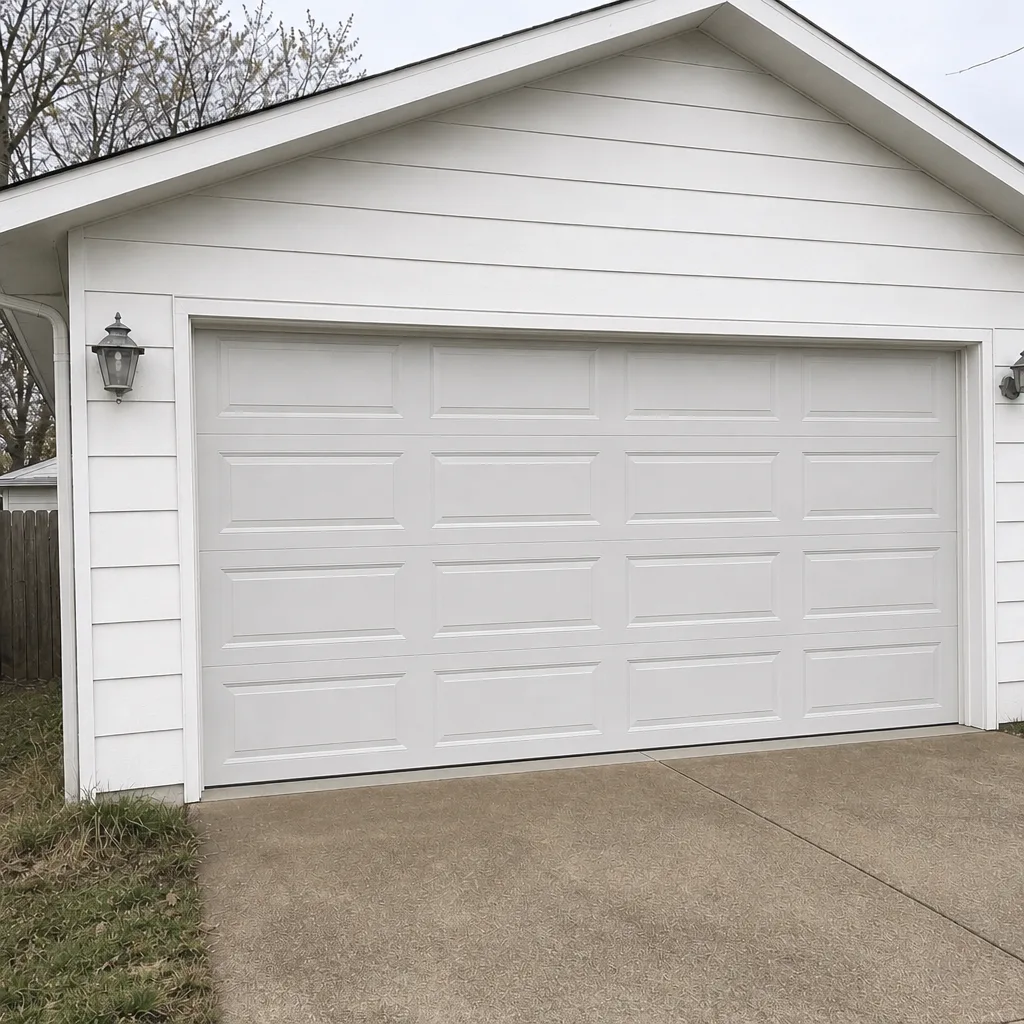 After
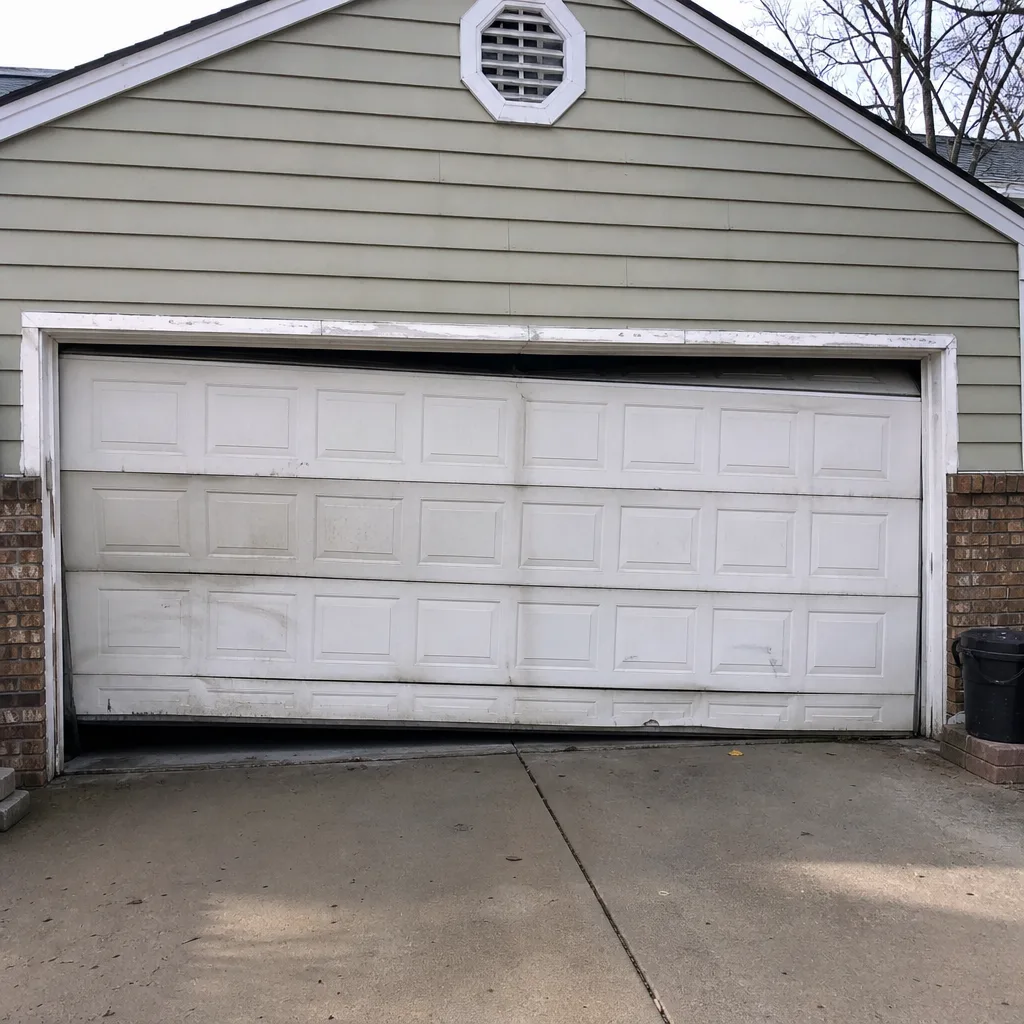 Before
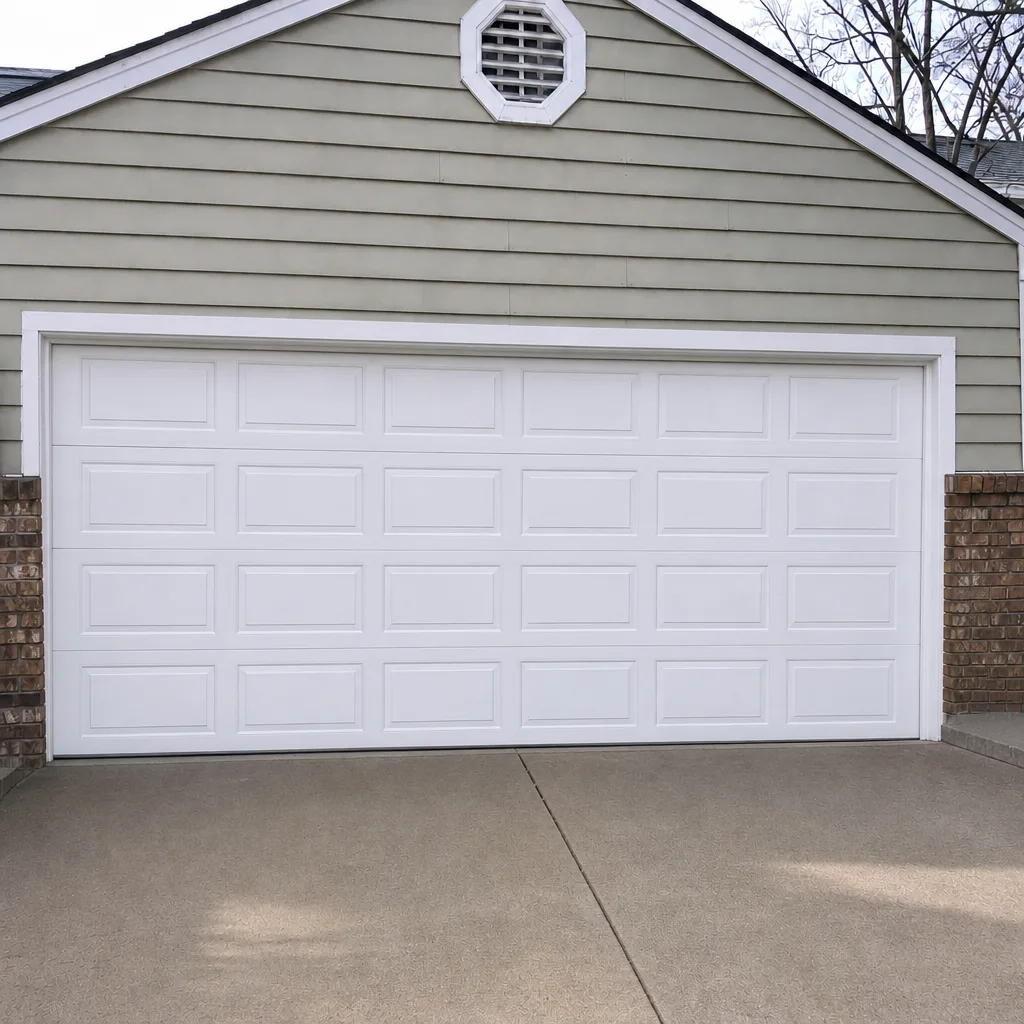 After
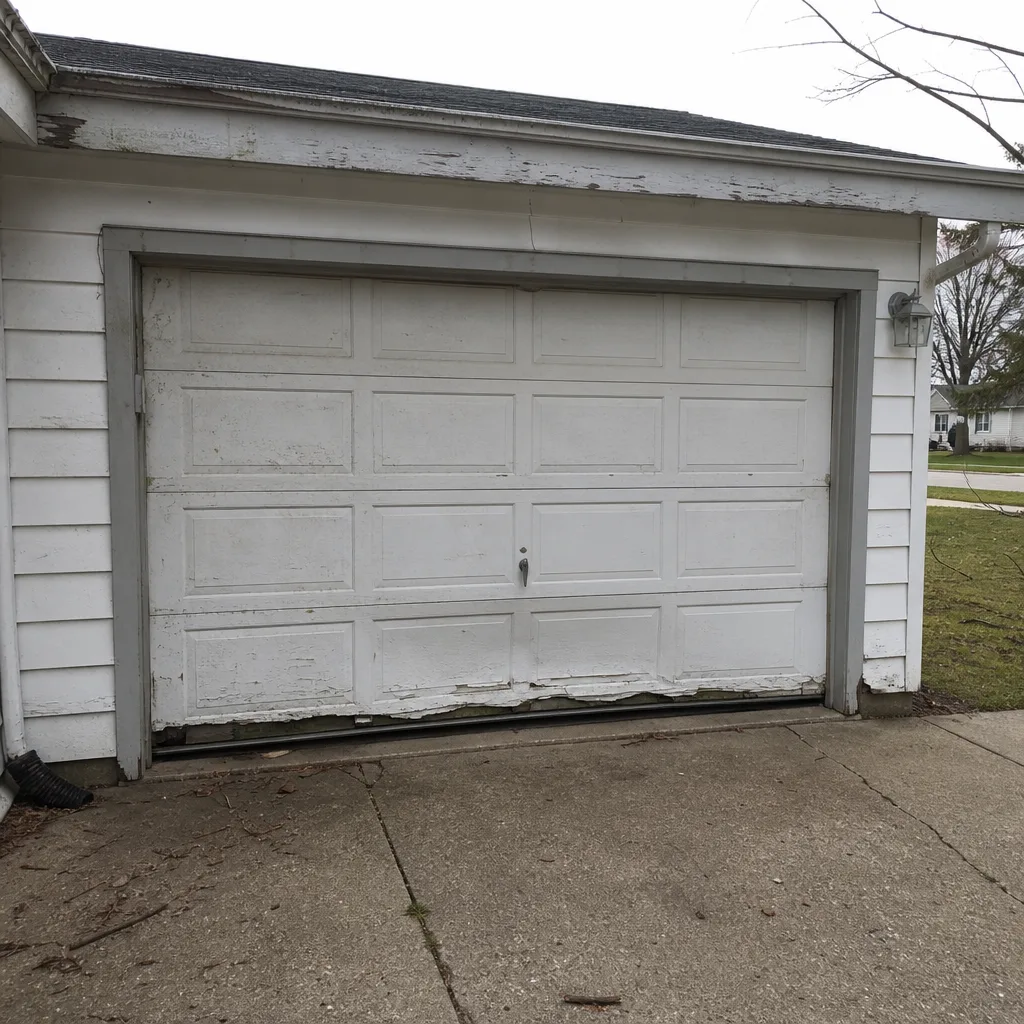 Before
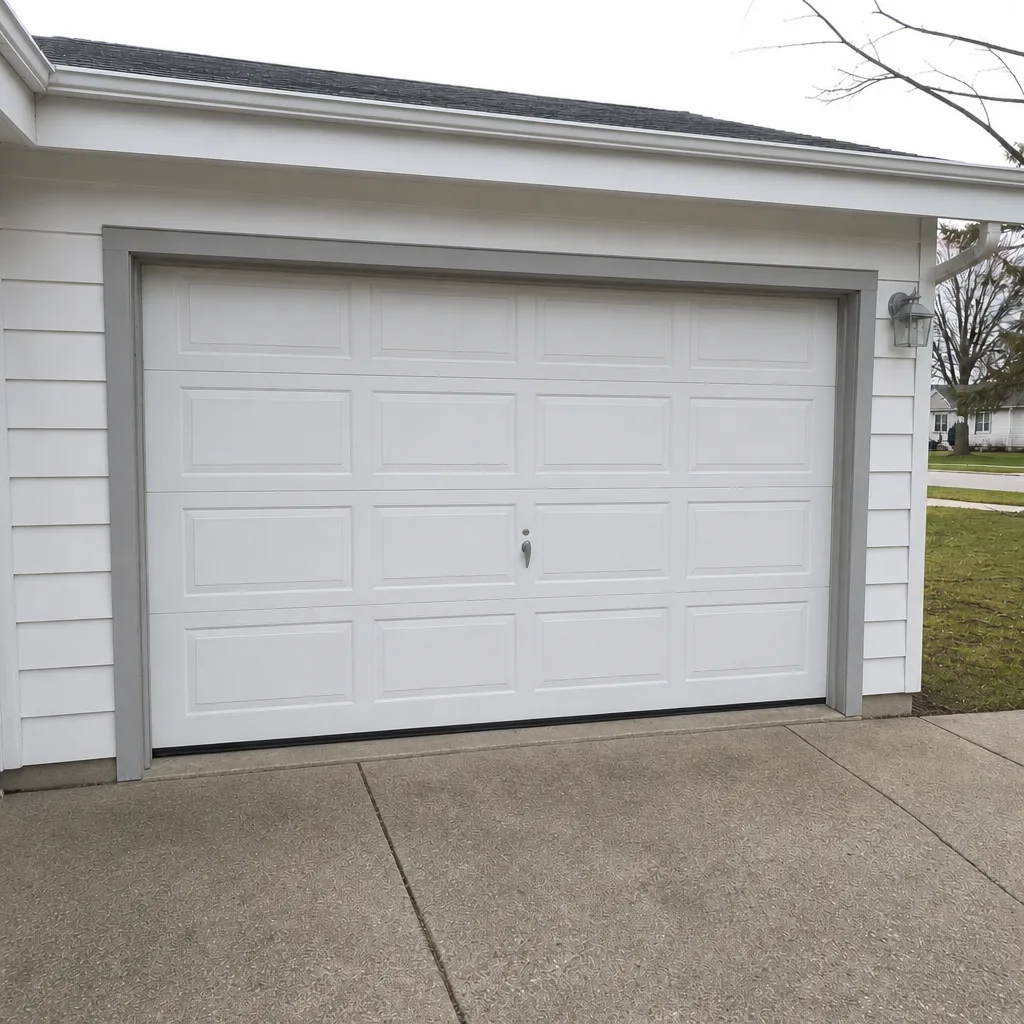 After