Last updated November 22, 2026
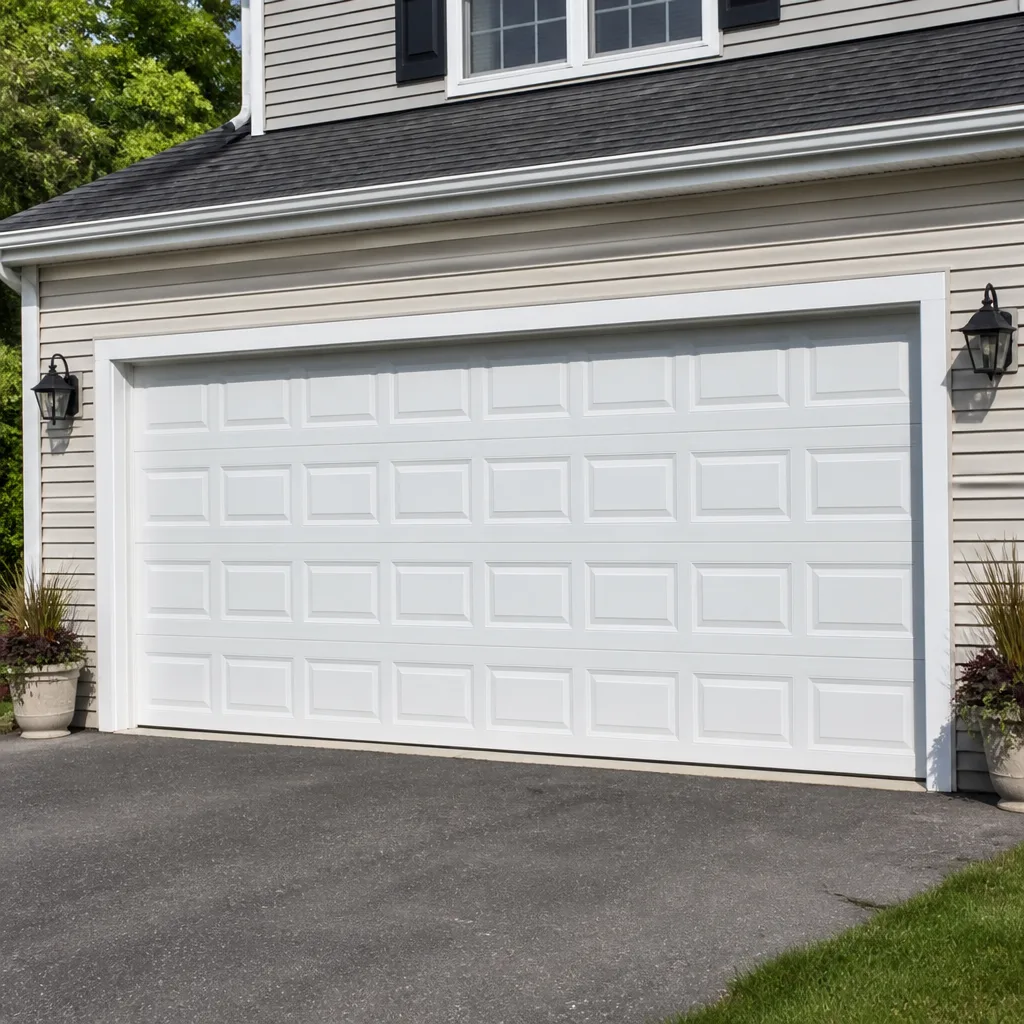 Raised-panel steel
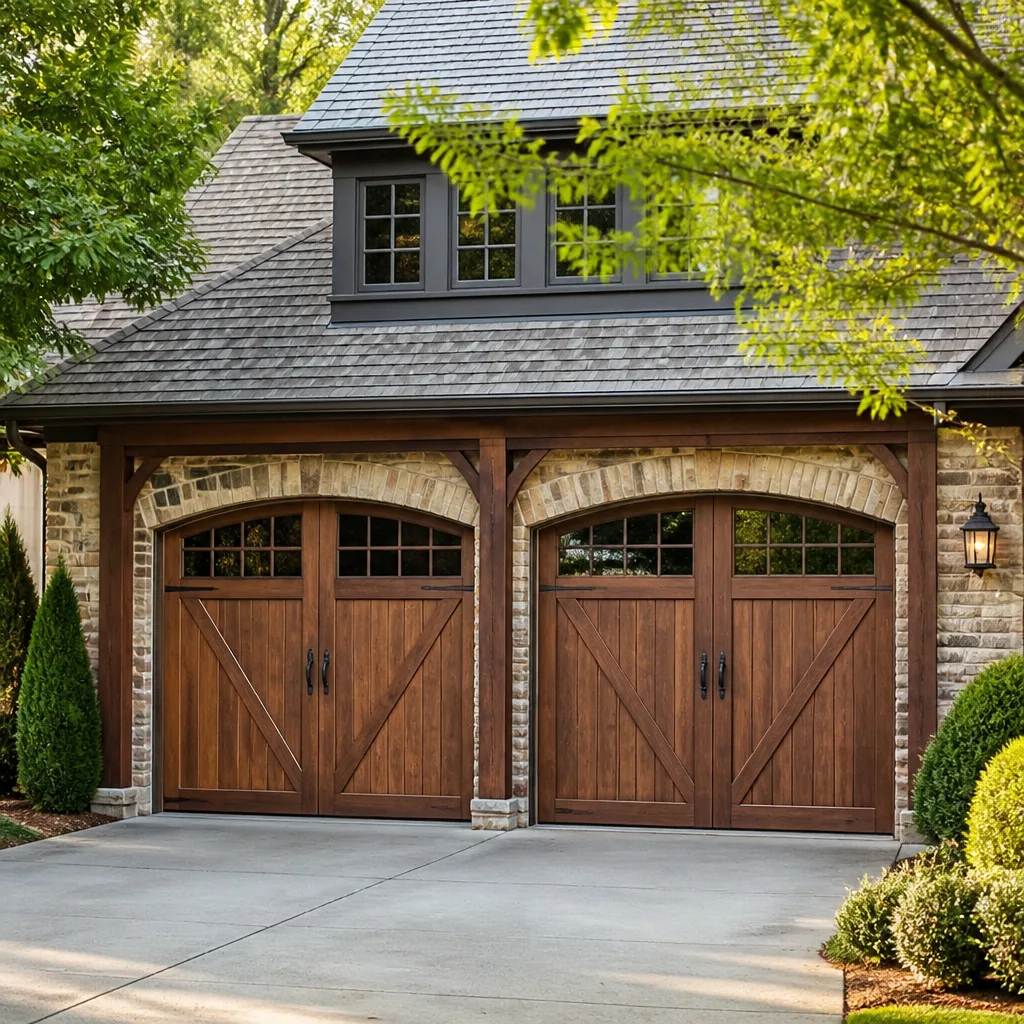 Carriage house
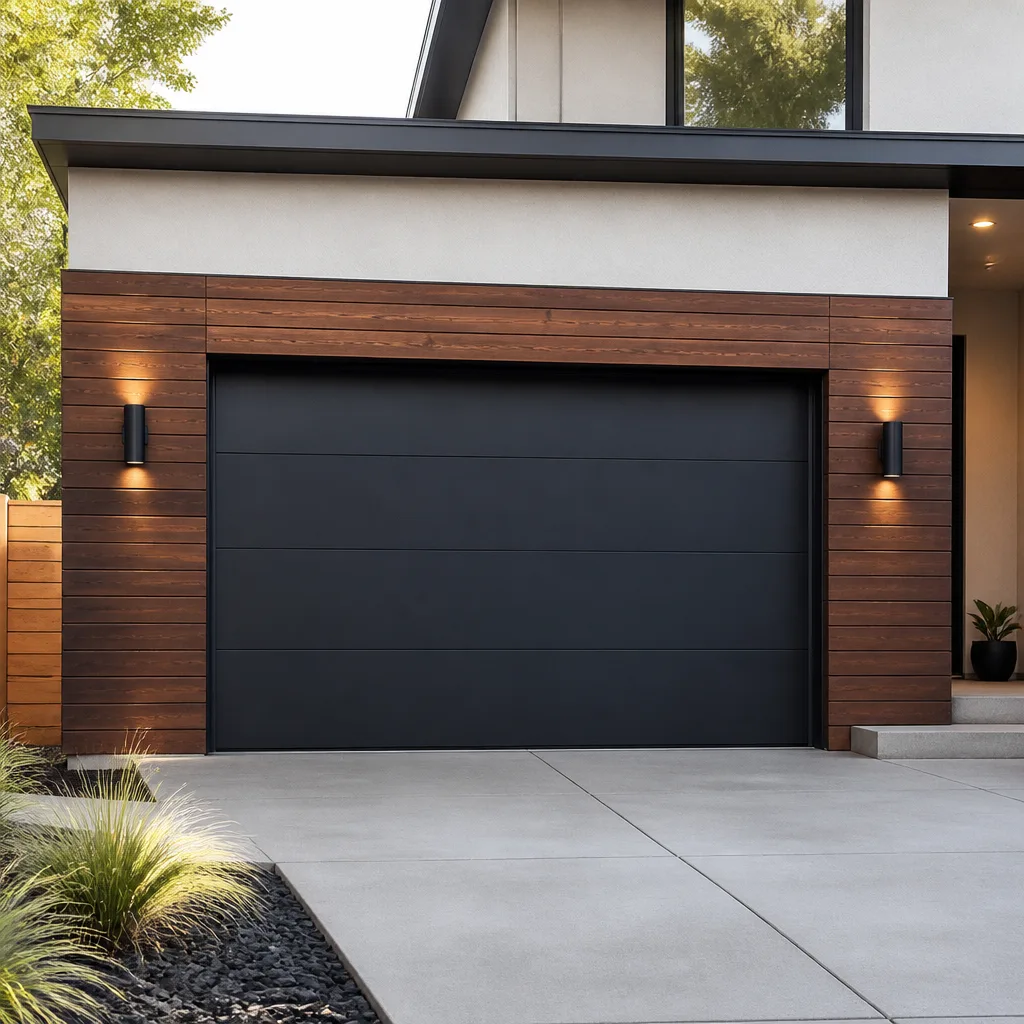 Modern flush
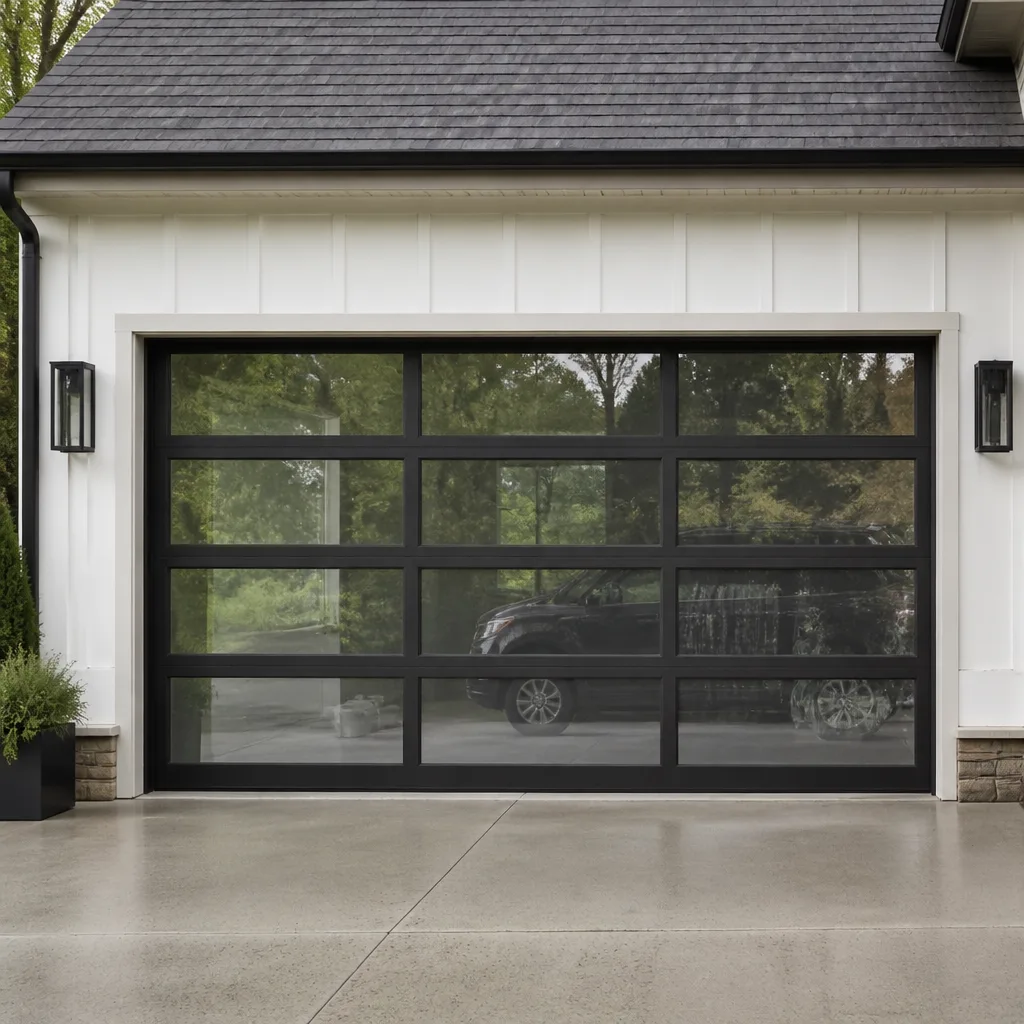 Full-view glass
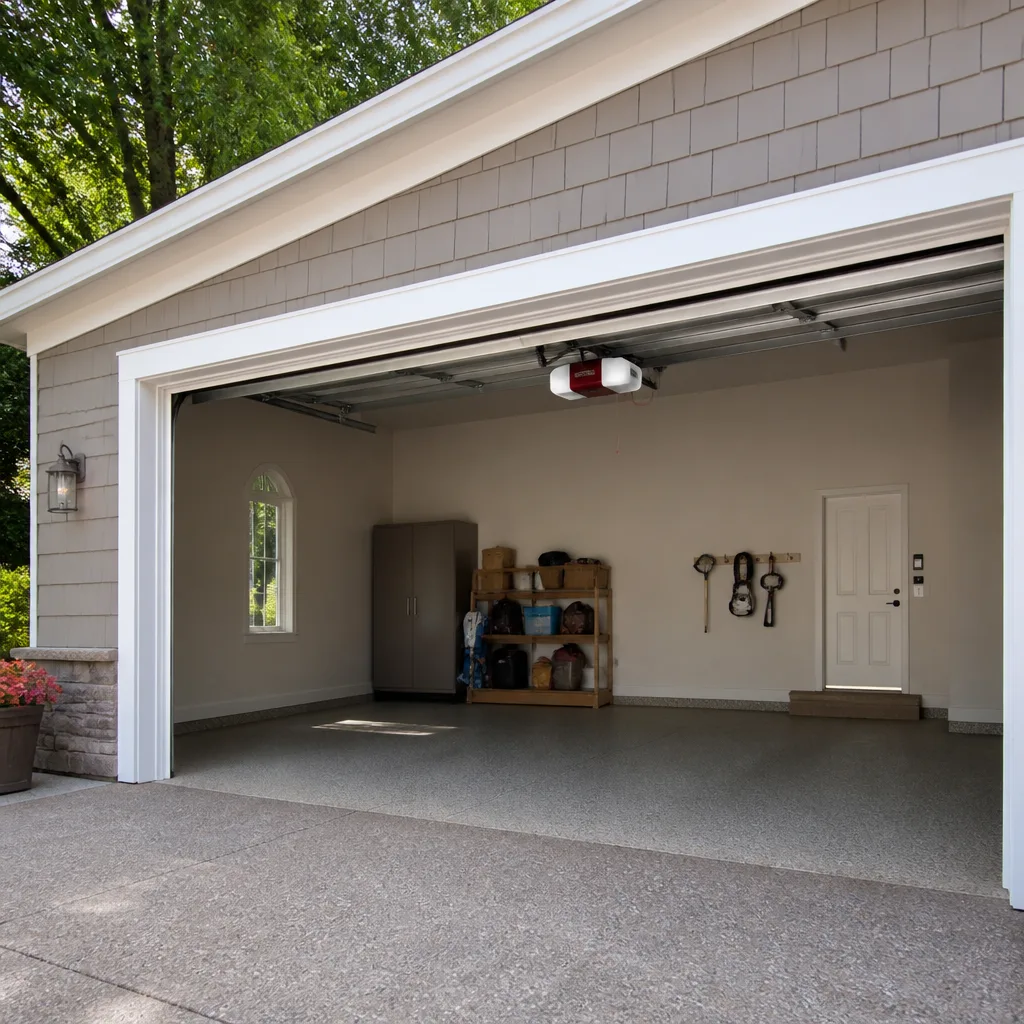 LiftMaster openers
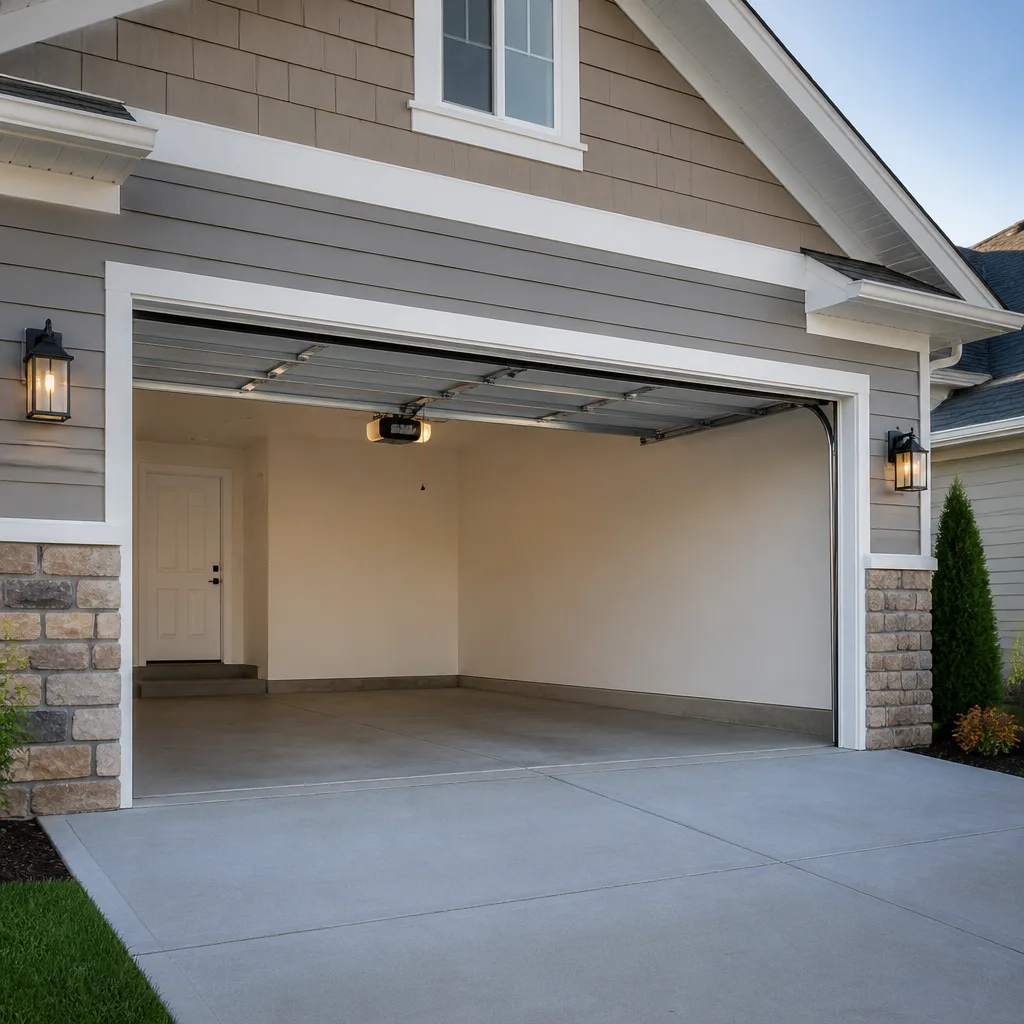 Chamberlain openers
Full 25-point door and opener safety check with every visit - springs, cables, rollers, tracks, and your LiftMaster or Chamberlain opener included
You get a price before we start. It does not change when the pro arrives.
Get your free estimateHow to Hire a Garage Door Contractor in Reynoldsburg: A Step-by-Step Guide
Ohio does not require a state license to install or repair a garage door. Read that again, because it changes how you should approach the phone call. The person quoting your spring replacement could be a skilled specialist with over a decade on the tools, or a laid-off roofer who watched two videos last week and bought a winding bar. Nothing on the state level stops either one from handing you a business card. That gap stays invisible right up until something fails, and then it becomes very visible: a door that won’t stay down, a spring that snaps again in weeks, or an injury on your property. This guide walks Reynoldsburg homeowners through the exact questions, documents, and comparisons that close that gap before you sign anything.
Quick Answer
To hire a garage door contractor in Reynoldsburg, verify insurance with a current certificate of liability naming you as certificate holder, ask five trade-specific questions on the phone before anyone visits, get a written itemized quote, and confirm the written warranty terms for both parts and labor. There is no state license requirement in Ohio, so documentation and questions are your only filter. A qualified specialist will answer all of it without hesitation; a generalist will not.
Styles & brands we work with
- Raised-panel steel
- Carriage house
- Modern flush
- Full-view glass
- LiftMaster openers
- Chamberlain openers
Table of Contents
- Why Ohio’s Lack of Licensing Matters
- Exactly What Insurance to Request and How to Verify It
- The Five Phone Questions That Separate a Specialist From a Generalist
- Red Flags in a Garage Door Quote
- How to Compare Quotes Apples-to-Apples
- What a Legitimate Warranty Should Cover
- Reynoldsburg Factors That Affect Your Door
- Common Mistakes to Avoid
Why Ohio’s Lack of Licensing Matters
Ohio does not issue a statewide license for garage door installation or repair. That means the barrier to entry is essentially a truck, a phone number, and a willingness to show up. Some cities layer on local registration or permit requirements, and others do not, so the rules you’re dealing with in Reynoldsburg aren’t the same as in another county or another state. If you’ve hired a plumber or an electrician lately, you probably noticed a license number on the quote. Here, you won’t get one.
What fills the vacuum is documentation. Insurance, warranty terms, and the ability to answer detailed trade questions are the closest thing to a license you’ll find. That’s not a technicality. Garage door work includes some genuinely dangerous components: torsion springs under extreme tension, high-tension cables, and doors that weigh a few hundred pounds. A mistake on a spring or cable can mean a serious injury in a matter of seconds. Anyone who’s actually done the work will tell you the same thing.
What does it mean practically for a Reynoldsburg homeowner? It means the burden of verification sits with you. The good news is that verification takes about ten minutes and almost no technical knowledge. You ask for a certificate of insurance. You ask five questions on the phone. You compare written quotes instead of verbal numbers. That is the entire filter, and it catches the majority of hiring mistakes.
We work exclusively on garage doors, and we’ve spent a lot of time talking to people who’ve already been through one bad job. The pattern is consistent. The first contractor was cheaper. The second call came sooner than expected.
Exactly What Insurance to Request and How to Verify It
“Are you insured?” is not the question. Anyone can say yes. The question is: “Can you send me a current certificate of liability insurance with my name and address listed as certificate holder?” That single request separates contractors who carry real coverage from contractors who carry a phone.
Here’s what to ask for and how to read it:
- Certificate of liability insurance. This is a one-page document issued by the contractor’s insurance carrier. It lists the policyholder, the policy number, coverage limits, the policy effective dates, and – critically – the certificate holder. Ask for your name and property address to be listed as the certificate holder. That makes you a named party the carrier recognizes.
- General liability coverage. This is the coverage that pays if the contractor damages your door, your car, your home’s framing, or your drywall during the job. Without it, you’re negotiating reimbursement directly with the person who just damaged your property.
- Workers’ compensation coverage. If someone gets hurt on your property while working, workers’ comp is what stands between you and a claim. Ask for proof. A contractor operating alone may be legitimately exempt from workers’ comp in Ohio, so ask directly how they handle injuries on the job.
- Policy effective dates. An old certificate means nothing. Confirm the policy is current and hasn’t lapsed since the certificate was issued.
- Verification step. Use the carrier’s phone number printed on the certificate – not one given to you verbally by the contractor – and call to confirm the policy is active. This takes two minutes and is the single most overlooked step in hiring.
If a contractor hesitates on any of this or says “we’ll bring it the day of,” treat that as a soft no. A contractor who can’t produce a certificate before the job can’t produce one after something goes wrong either.
The Five Phone Questions That Separate a Specialist From a Generalist
You can learn almost everything you need from a five-minute phone call. These questions are designed so a generalist gets caught out. A garage door specialist answers them without pausing. A handyman reads them back to you and asks what you mean.
- “What brand of garage door opener do you work on most often?” A specialist will name actual brands: LiftMaster, Chamberlain, Genie, Craftsman, Raynor, and others. A generalist will say “most of them” or “whatever’s in your garage.” Push further. Ask if they’ve worked on a Genie or a Chamberlain recently. If they can’t offer specifics, they don’t have them.
- “Do you replace torsion springs, and what size spring do you stock for a standard residential door?” Spring sizing is a real, specific thing. Torsion springs come in diameter and length combinations matched to the door weight. A specialist will reference door weight and cycle life. A generalist will say “we match what’s in there.” That’s a red flag – the spring that’s in there might have been wrong from the start.
- “If my opener’s circuit board is fried, do you replace boards or just the whole opener?” A specialist diagnoses: opener repair is on the menu, and a board swap is often the right answer. A generalist wants to sell you a new opener because that’s the job they know how to do.
- “What’s your policy on balancing the door after a spring replacement?” A correct spring job includes checking the door balance, the cables, the rollers, and the hinges before leaving. If the answer is “we just swap the spring,” you’ve found someone who’ll be back.
- “Do you provide a written warranty, and what does it cover?” The answer should distinguish parts from labor and should be something they’ll put in writing. If the answer is verbal or vague, move on.
If you’re still deciding whether a repair is even needed or whether it’s time for a full replacement, that’s a different conversation, and it’s one a specialist should be willing to have on the phone. When you eventually do hire someone, you can start with Garage Door Repair Reynoldsburg for the full range of work.
Red Flags in a Garage Door Quote
The quote itself is a document, and it tells you a lot. Here are the patterns we consistently see in quotes that go bad:
- Vague line items. “Spring repair: $350” tells you nothing. A real quote lists the spring type and size, the number of springs, the labor, whether cables or rollers are being replaced, and whether disposal of old parts is included. If the line item can’t survive a “what exactly is that?” question, it’s not a real quote.
- No written warranty terms. Any contractor can promise a warranty verbally. The written quote should state how long the parts are covered, how long the labor is covered, and what voids the warranty. If that’s not on paper before you sign, it doesn’t exist.
- Pressure to decide the same day. “That price is only if you sign today” is a sales tactic, not a service. Garage doors don’t get more expensive because you waited 24 hours to compare quotes. Any contractor who insists otherwise is telling you something about how they run a business.
- Unusually low spring pricing. Springs are manufactured in different grades, with different cycle ratings – a low-end spring might be rated for fewer cycles than a standard one and will fail long before the door does. A price that’s dramatically below other quotes almost always reflects a lower-grade part, not a better deal. Ask specifically what cycle count the quoted spring is rated for.
- No mention of the door inspection. A good spring quote includes checking cables, rollers, hinges, and balance. If the quote covers only the spring, you’re getting a partial job.
- Cash-only, no invoice. A contractor who won’t put the work in writing isn’t offering a warranty. Without an invoice, you have no documentation of the transaction at all.
- No physical business address or documented service area. Ask how long they’ve been serving Reynoldsburg and where they operate from. A real local business has an answer; a fly-by-night operation has a phone number and nothing else.
Spring work is where most of the risk in this trade lives, and it’s also where pricing is easiest to manipulate. If you’re only comparing spring prices and not spring grades, you’re comparing the wrong thing. When you’re ready to compare, our garage door spring repair page will show you the specifics we ask for on a job.
How to Compare Quotes Apples-to-Apples
Comparing two garage door quotes line by line is harder than it looks, because contractors spec different parts. One quote says “spring replacement, $375.” Another says “torsion spring replacement, .243 x 2″ x 31″, 15,000 cycle, matched pair, cables inspected, hinges lubricated, door balanced, $650.” Those aren’t the same job at different prices. They’re two different jobs that happen to share a name.
To compare fairly, put the specs side by side:
- Spring grade and cycle count. A standard spring is rated for a specific number of cycles. A lower-grade spring has a shorter cycle life and will need replacement sooner. Ask both contractors for the cycle rating on their quoted spring. Higher cycle ratings cost more per spring but generally last longer.
- Number of springs. Many residential doors run a pair of springs. A quote for one spring is not comparable to a quote for a pair. Confirm on each quote how many springs are being replaced.
- Roller type. Nylon rollers typically run quieter and last longer than steel rollers. If one quote includes roller replacement and the other doesn’t, the prices aren’t parallel.
- Opener brand and model. LiftMaster, Chamberlain, Genie, and Craftsman are among the most commonly installed brands in Reynoldsburg garages, but a quote that says “new opener: $550” isn’t a spec. A real quote names the model number, the belt or chain drive, the horsepower, and whether it includes a battery backup.
- Door brand. If you’re replacing a full door, Clopay and Amarr are two of the most widely installed brands, and each spec sheet lists insulation values, panel type, and warranty terms. Compare those directly.
- Labor included or not. Some quotes list labor separately. Others roll it in. If one does and one doesn’t, you’re comparing different total prices.
- Disposal and cleanup. Old doors, springs, and openers have to go somewhere. Confirm whether disposal is included or billed separately.
The easiest way to force apples-to-apples is to write down the exact specs from each quote and put them in a single comparison doc. Any contractor who balks at this is telling you something about how they price work.
What a Legitimate Warranty Should Cover
A proper warranty separates two things most quotes try to blur: parts and labor. A spring may come with a manufacturer’s part warranty, but if the labor to install the replacement isn’t covered, you’re paying for the visit again. The best contractor warranties cover both, for a defined period.
The most important variables:
- Parts coverage. Who covers a defective part, and for how long? A spring, an opener board, a motor – each of these has a different manufacturer warranty. The contractor’s written quote should state which applies.
- Labor coverage. If a replaced spring fails in the warranty window, does the contractor come back and replace it for free, or do you pay labor again? Ask directly. Many don’t cover labor, and that’s the number you actually care about.
- Installation-related failures. A properly installed spring, correctly tensioned and matched to the door, should not fail prematurely. If it does, that’s on the installation, not the part. The warranty should cover both possibilities.
- New door and opener warranties. Many new doors and openers come with manufacturer warranties measured in years, not months. Those stack with the contractor’s own warranty on the install. Get both in writing.
- What voids the warranty. Very often, DIY adjustments, work by another contractor, or missing maintenance records. Read the fine print before signing.
- Local contractor vs. national franchise. A local contractor’s warranty is backed by the person you called, not a corporate warranty claims line. Whether that’s better depends on the individual business. But it matters who you call when a warranty claim arises, and a local specialist is usually easier to pin down than a national toll-free number.
Our viewpoint: no warranty is worth more than the paper it’s printed on if the contractor disappears. That’s why the questions above come first. A warranty is only as useful as the business standing behind it.
Reynoldsburg Factors That Affect Your Door
Central Ohio weather is hard on garage doors. A Reynoldsburg door sees hot, humid summers where steel panels expand, cold winters that shrink seals and stiffen grease, and rapid temperature swings in spring and fall that put extra stress on springs and cables. That’s not unique to Reynoldsburg, but it is a real seasonal pattern that homeowners here live with, and it shows up in the service calls we see across the area.
Common failure windows to watch:
- First cold snap of the year. Grease stiffens, springs that were close to cycle-life expiry break, and the door suddenly won’t open smoothly. This is the most common season for spring failures in Reynoldsburg.
- Spring warm-up. As temperatures climb, panels shift, hinges loosen, and an out-of-balance door becomes more obvious. Balance issues usually surface as noise, uneven movement, or a door that sags on one side.
- Storm season. Hail is uncommon in central Ohio, but wind and rain-driven debris cause impact damage regularly. Door panels dent, windows crack, and opener arms get bent when something hits the door mid-travel.
- Winter freeze-thaw. The bottom weather seal freezes to the concrete, the door pulls up with difficulty, and opener torque increases. If the opener’s force limits were set too high (or too low), the door can reverse unexpectedly or fail to close at all.
Home age in Reynoldsburg varies from mid-century neighborhoods to recent construction, and the garage door in a 1960s home is a different animal than a 2010s door. Older doors often have extension springs running along the tracks (rather than torsion springs over the door) and openers that are past their service life. If you’re buying a home here, ask the seller for the age of the door and opener, not just the age of the roof and furnace.
If your door is acting up, the fastest way to sort the cause is to have it looked at. Our garage door repair team covers diagnostics, and our garage door opener repair team handles the electronics side when it’s the opener, not the door, that’s failing.
The Safety Line
One rule covers everything here: do not attempt to wind, unwind, or adjust a torsion spring yourself. Torsion springs carry extreme stored tension, and a slipped winding bar can cause a serious injury in under a second. The same is true of high-tension cables – they can whip if they fail while you’re standing near them. A qualified technician knows the sequence of steps to release that tension safely, and knows the parts that need replacing along with it. If you’re considering a DIY fix on a spring or cable, stop. Call a professional. If you’re evaluating a contractor, ask how they handle the safety side of the job, and watch how they respond. Real specialists will talk about it without flinching because they deal with it every day.
See the difference
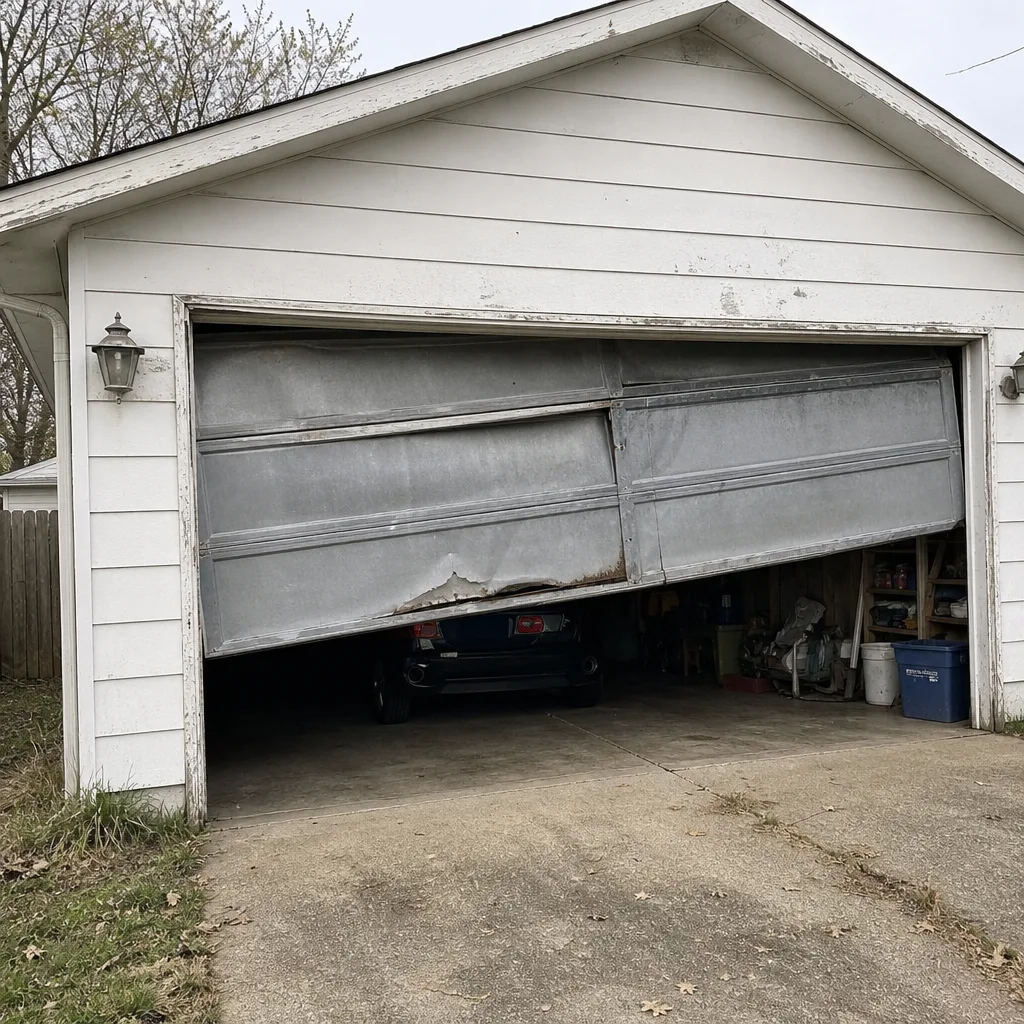 Before
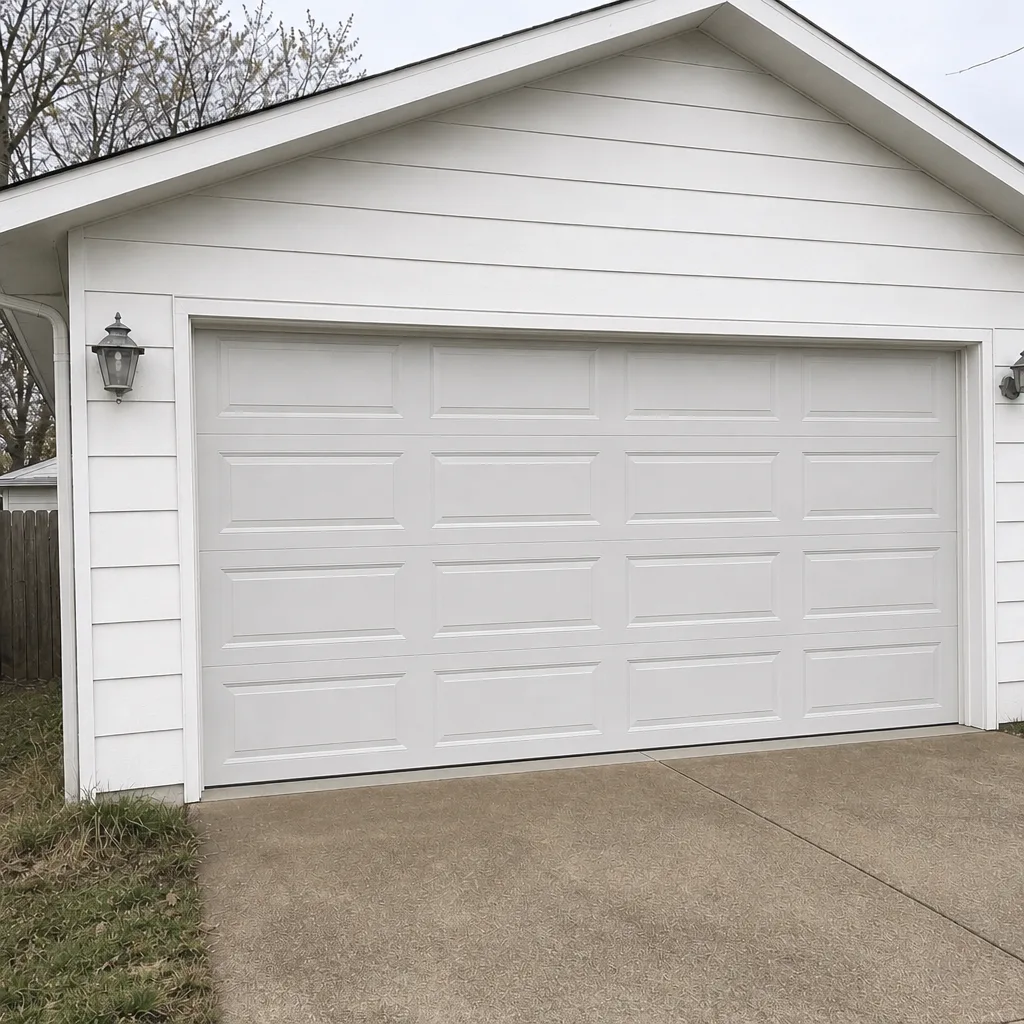 After
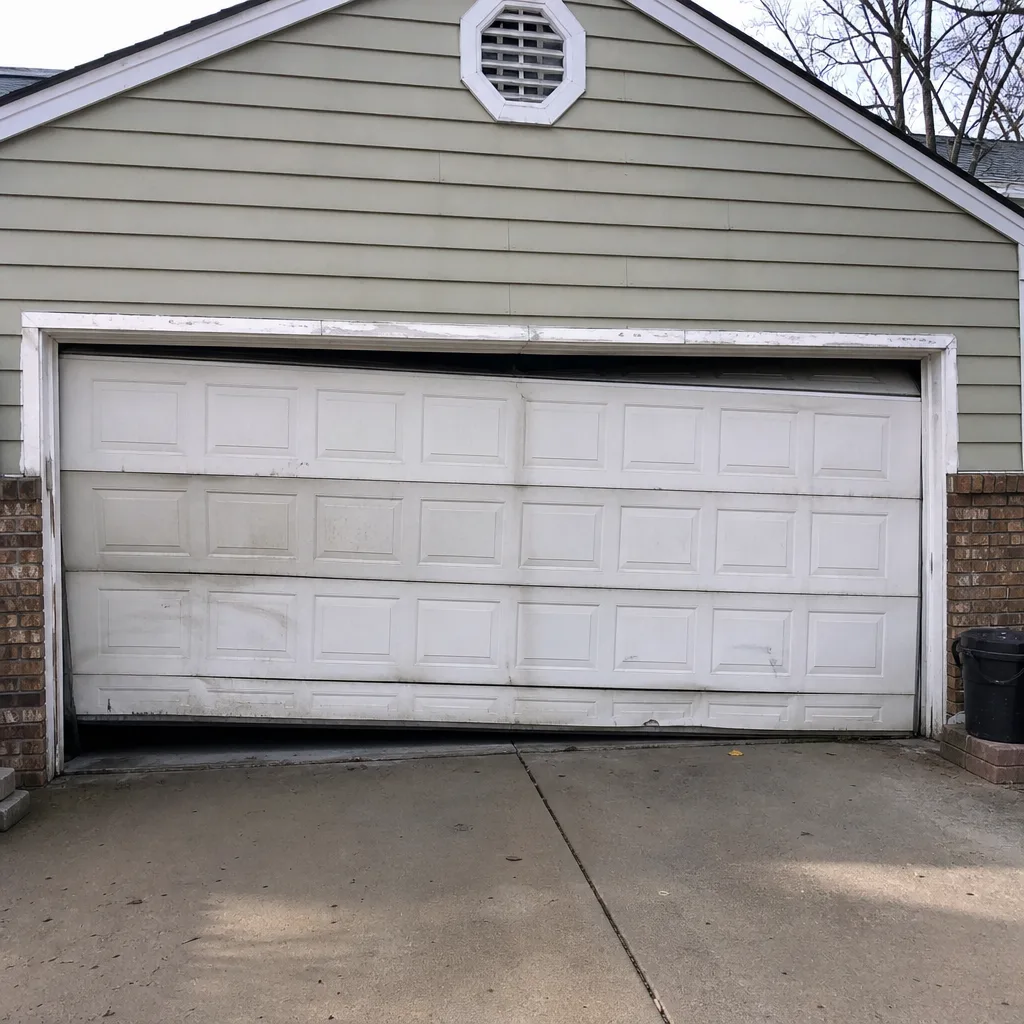 Before
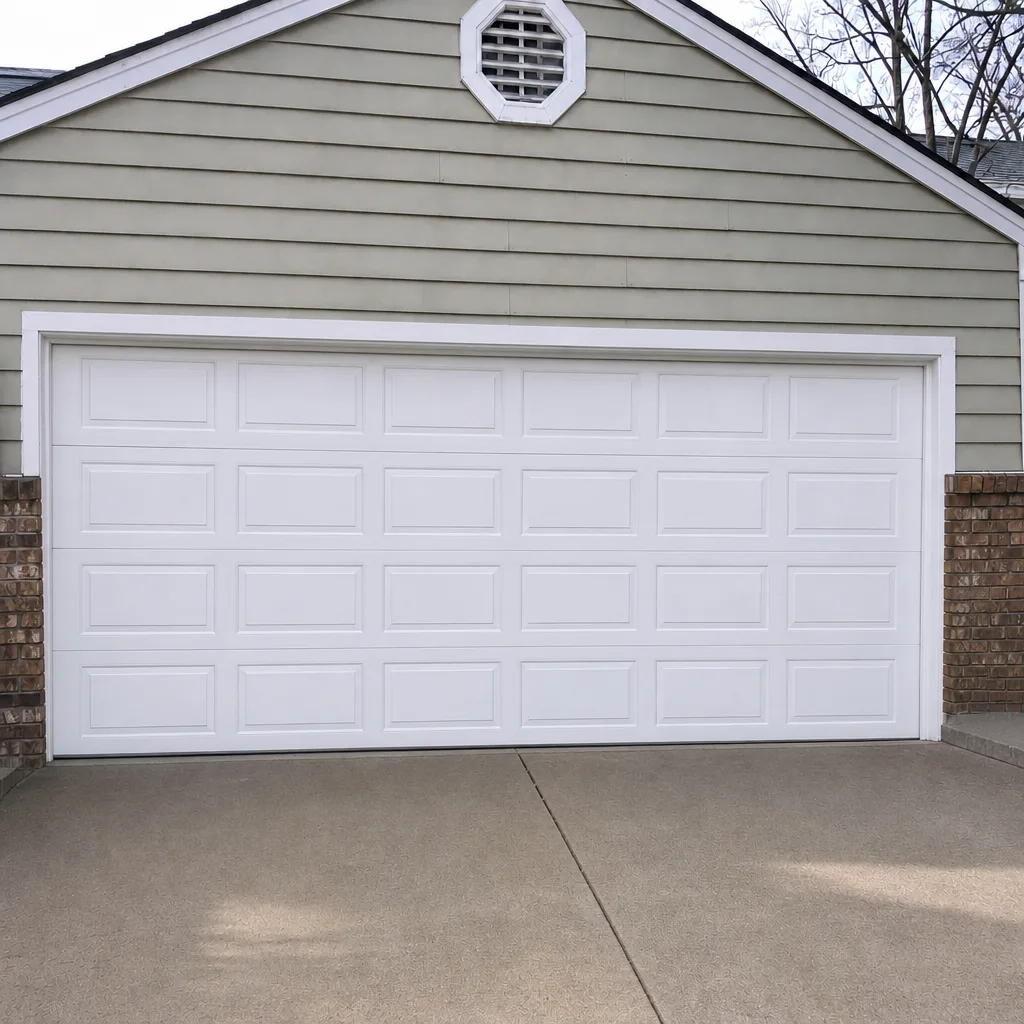 After
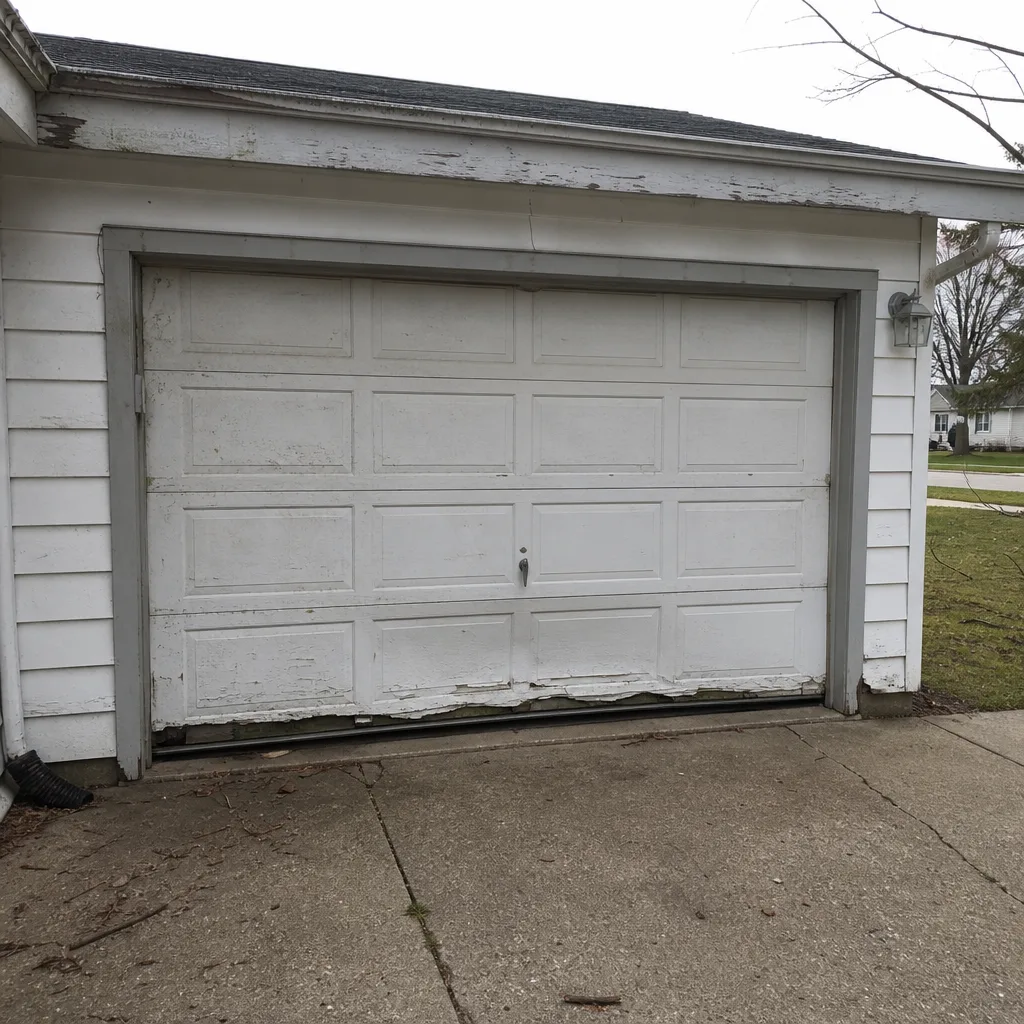 Before
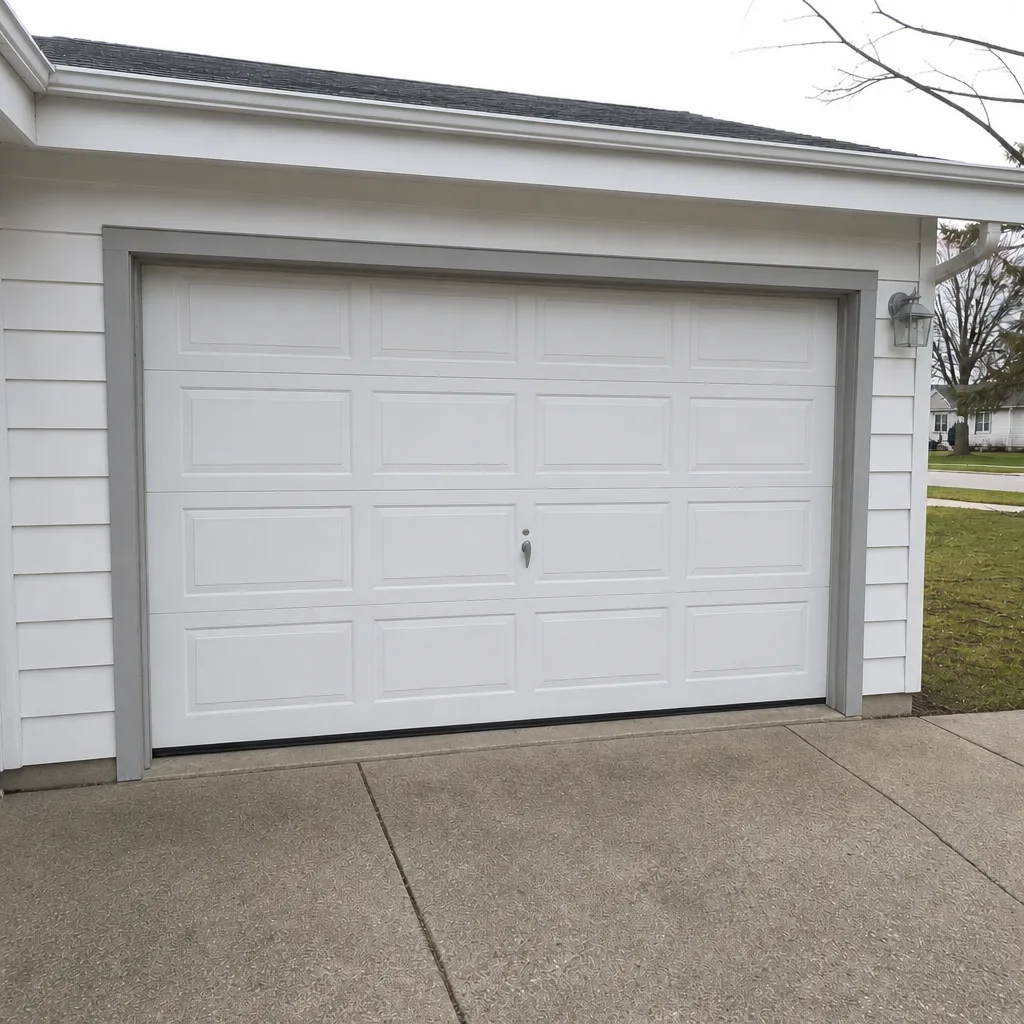 After
Common Mistakes to Avoid
- Hiring on price alone. The cheapest spring quote is usually cheap for a reason: a lower-grade part, a single spring instead of a pair, or a job that skips the door balance check. A slightly higher quote that includes the full job is the better deal. Confirm what’s included before you decide.
- Not asking for a certificate of insurance before the job. “We’re insured” is not proof. Ask for the certificate, confirm the coverage is current, and verify with the carrier directly. This takes minutes and protects you from the most expensive kind of mistake.
- Skipping the door balance check. After a spring replacement, a properly trained technician should check that the door is balanced. An unbalanced door puts more load on the opener and shortens its life. If the contractor skips the balance check, the job isn’t finished.
- Accepting a verbal warranty. If the parts and labor coverage aren’t written on the quote, they don’t exist. Get the warranty terms before you sign.
- Assuming all springs are the same. Spring wire diameter, length, and cycle rating matter. A spring sized for a lighter door will fail faster if installed on a heavier one. Ask for the size and cycle rating of the quoted spring.
- Calling a general handyman for a garage door problem. Door repair involves specific components: torsion springs, cables, drum assemblies, and opener logic boards. A specialist who works on doors every day diagnoses in minutes what a generalist would take an hour to figure out – or might miss entirely.
- Skipping the annual inspection. A quick yearly look at cables, rollers, hinges, and the opener’s safety sensors catches small issues before they become expensive ones. It’s a low-cost habit that pays for itself.
When to Call a Professional
Some garage door issues are cosmetic; others are dangerous. Call a professional immediately if any of these are true: a torsion spring has snapped (you’ll hear a loud bang and the door won’t go up), a cable has come off its drum or is broken, the door has come off its track, the door is sagging at one corner, or the opener runs but the door doesn’t move. Any of these can turn into a property damage or injury situation in seconds if you try to work around them. For safety sensor problems and minor opener quirks, a diagnosis call is still cheaper than guessing, and it’s the fastest way to know whether you need a repair or a replacement. Garage Door Repair Reynoldsburg offers free estimates in Reynoldsburg – call (833) 901-6679 to get on the schedule.
Frequently Asked Questions
No. Ohio does not require a statewide license for garage door installation or repair, which means the responsibility for verifying a contractor’s qualifications rests with you. Ask for a certificate of liability insurance, proof of workers’ compensation coverage if applicable, and written warranty terms. A qualified specialist will provide all three without hesitation.
Request a current certificate of liability insurance and confirm the policy effective dates printed on it. Then call the insurance carrier using the phone number printed on the certificate (not a number given to you verbally) and ask them to confirm the policy is active. Ask for your name to be listed as certificate holder so the carrier recognizes you as a named party.
Spring pricing varies with the spring type, grade, cycle rating, and whether it’s a single spring or a matched pair. Because a pair is usually replaced together, a matched pair typically costs more than a single spring. Get quotes that specify the spring size, cycle rating, and whether door balance and cable inspection are included, so you can compare like with like. Ask for a written, itemized estimate before any work starts, and call (833) 901-6679 for a free one.
Ask specific trade questions on the phone. A specialist will name brands like LiftMaster, Chamberlain, Genie, or Craftsman without hesitation, will discuss spring sizes and cycle ratings in detail, and will explain what a proper post-replacement balance check involves. A generalist will answer in vague terms or defer the specifics to the visit. The five-question phone call above catches most of them.
A legitimate written warranty should state separately how long parts are covered and how long labor is covered, what voids coverage, and who honors the claim. Parts warranties usually come from the manufacturer; labor warranties come from the contractor. Get both in writing on the quote, and ask whether a failed part is replaced for free within the warranty window, including labor.
No. Torsion springs carry extreme stored tension, and releasing that tension incorrectly can cause serious injury. High-tension cables pose a similar risk. This is one of the few home repairs where the safety argument against DIY is unambiguous. Call a trained garage door technician for any spring or cable issue.
The Bottom Line
Hiring a garage door contractor in Reynoldsburg comes down to a short, repeatable process: verify insurance with a certificate and a call to the carrier, ask the five trade-specific questions on the phone, get a written itemized quote, compare specs side by side, and read the written warranty before you sign. Ohio’s lack of state licensing doesn’t have to work against you – it just means the verification step is yours to run. Do it once and you’ll likely do it right the first time. Skip it and you’re rolling the dice on the part of the job you can’t see: the spring under tension, the cables holding hundreds of pounds, and the person on the other end of the phone.
If you’re ready to move forward on a garage door repair or replacement in Reynoldsburg, Garage Door Repair Reynoldsburg offers free estimates and works on the brand already in your garage – Chamberlain, Genie, Clopay, Amarr, and more. Springs, openers, panels, full doors – one call covers it all. Call (833) 901-6679 for a free estimate.
Written by the team at Garage Door Repair Reynoldsburg.