Last updated November 22, 2026
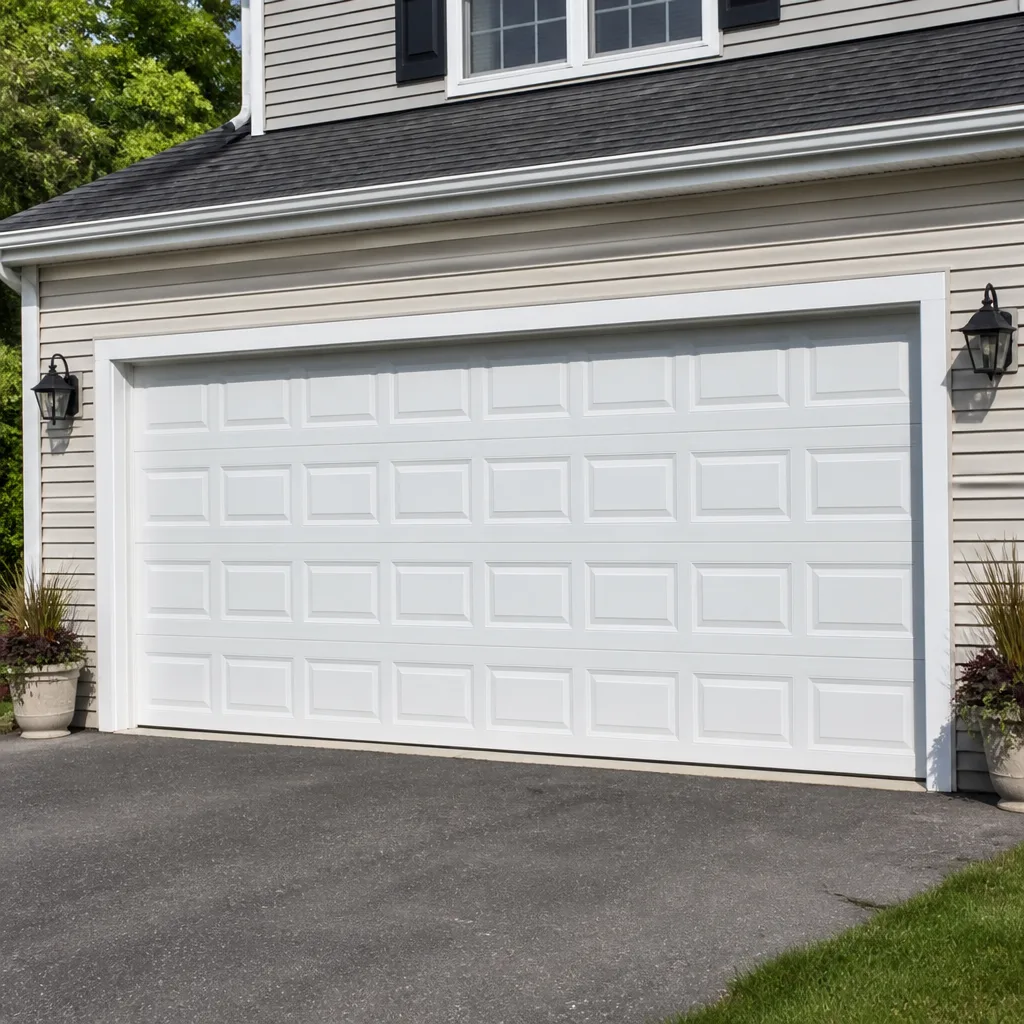 Raised-panel steel
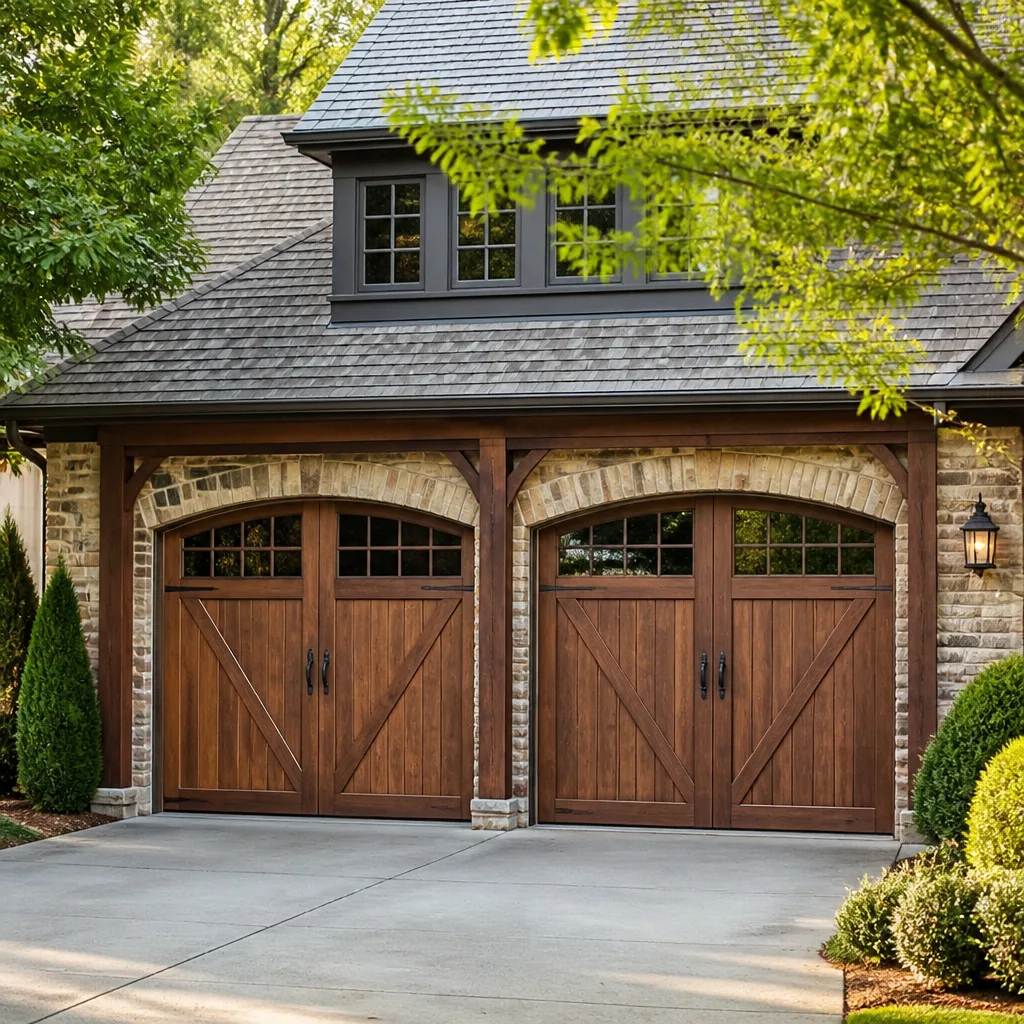 Carriage house
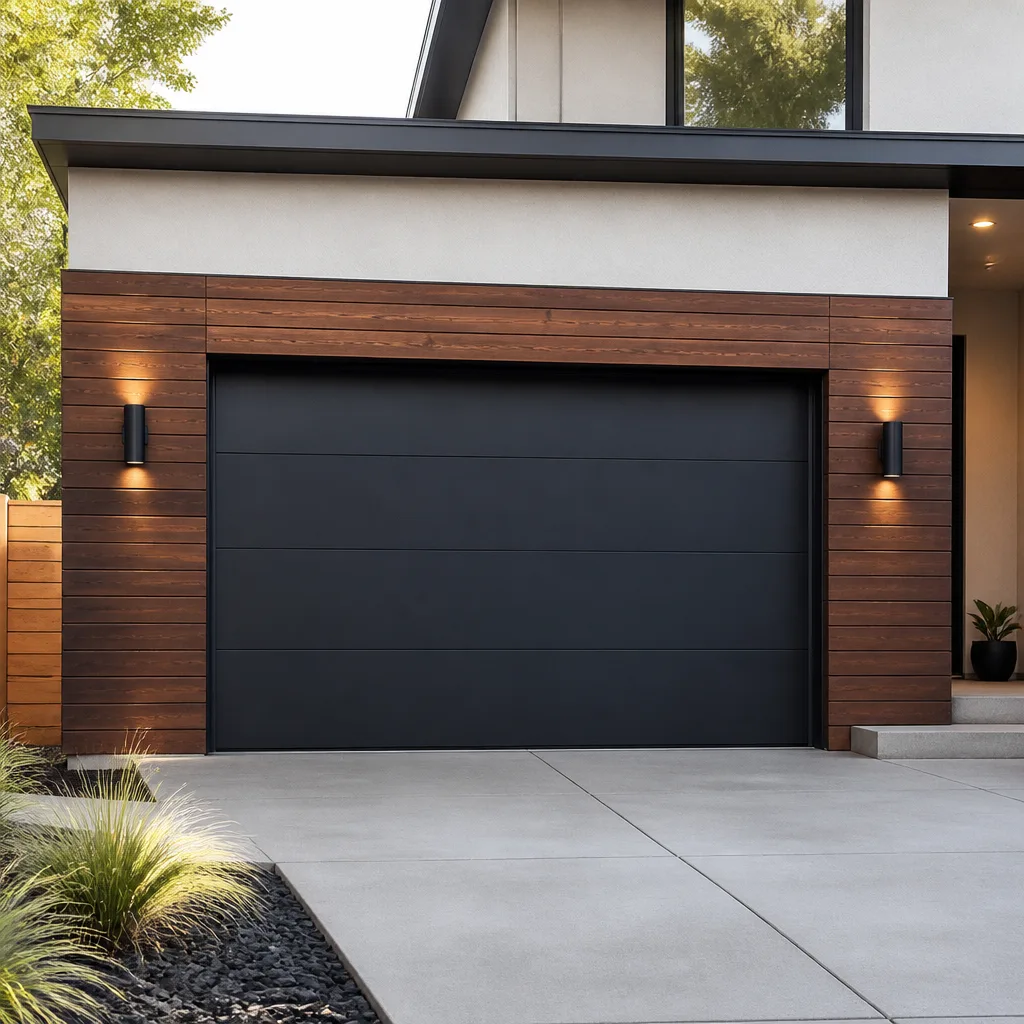 Modern flush
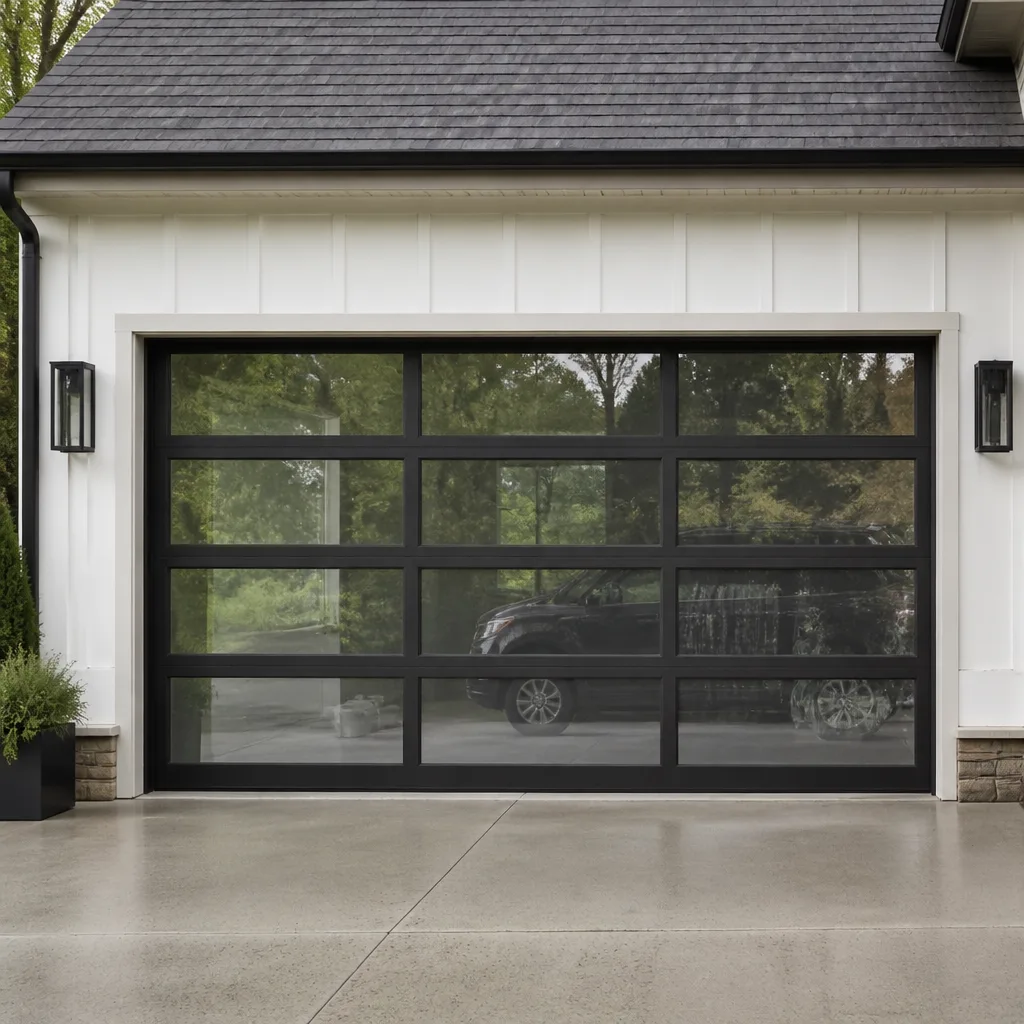 Full-view glass
 LiftMaster openers
 Chamberlain openers
Full 25-point door and opener safety check with every visit - springs, cables, rollers, tracks, and your LiftMaster or Chamberlain opener included
You get a price before we start. It does not change when the pro arrives.
Get your free estimateGarage Door Permits, Codes & Inspections in Reynoldsburg, OH: What You Need to Know
Here’s the part most Reynoldsburg homeowners get backwards: the door that gets you in trouble at resale usually isn’t the one that was never replaced. It’s the one that was replaced, cleanly and professionally, without anyone pulling a permit. A garage door replacement can show up as an unpermitted improvement on a home inspection report, and that single line can stall a closing, force funds into escrow, and send the seller scrambling for a retroactive inspection. The paperwork ends up costing more than the door. In this guide, we’ll walk through when Reynoldsburg actually requires a permit for garage door work, when it doesn’t, which jurisdiction has a say at your address, and what an inspector really looks at.
Quick Answer
In Reynoldsburg, OH, a straight like-for-like garage door replacement usually does not require a permit, but a replacement that changes the opening, the header, the track configuration, or adds structural work generally does. Whether you answer to the City of Reynoldsburg or Franklin County depends on your specific address, and the Ohio Residential Building Code’s wind-load requirements can pull a door replacement into permitting territory. When in doubt, ask the city’s building department before the door goes in.
Styles & brands we work with
- Raised-panel steel
- Carriage house
- Modern flush
- Full-view glass
- LiftMaster openers
- Chamberlain openers
Table of Contents
- Who Has Jurisdiction Over Your Reynoldsburg Garage Door Project?
- When Does a Garage Door Replacement Need a Permit in Reynoldsburg?
- When You Don’t Need a Permit
- What the Ohio Residential Building Code Says About Wind Load
- What a Permit Inspection Actually Checks
- How Unpermitted Garage Door Work Shows Up at Resale and in Insurance Claims
- The Permit Process in Order: A Step-by-Step Walkthrough
- What Permits and Inspections Typically Cost in Reynoldsburg
Who Has Jurisdiction Over Your Reynoldsburg Garage Door Project?
This is the question that trips up more people than any other, and it’s why we tell callers to start with their address before anything else. Reynoldsburg sits in Franklin County and runs right up against Licking and Fairfield county lines, and the city itself administers building permits within its corporate limits. Where a project falls depends on whether your property is inside the city limits and how your parcel is classified. A door replacement on one street in Reynoldsburg might be handled entirely by the City of Reynoldsburg building department, while a nearby property under county jurisdiction answers to a different office with a slightly different review process.
You don’t have to guess. The city’s building department will tell you which office reviews your address when you call them, and a quick check of your property’s jurisdiction is worth five minutes before you sign an installation contract. We’ve seen plenty of Reynoldsburg homeowners assume the wrong office, submit to the wrong department, and lose a week waiting for a rejection notice that could have been an approval.
Why the overlap exists
Reynoldsburg grew outward across county lines over many decades, which is common in Central Ohio. Annexations and municipal boundaries don’t always follow the lines you’d assume from a map, and older parcels sometimes carry county review while newer subdivisions sit squarely under city code. That’s not a technicality to ignore; it’s the reason the answer to “do I need a permit?” genuinely depends on your address. We work across Reynoldsburg regularly, and we always ask for the address and the parcel before we talk about permits. It saves everyone time.
What to have ready when you call the building department
- Your full street address and parcel number.
- The type of work: like-for-like replacement, size change, header or framing work, or opener-only.
- The door’s make and model, so they can confirm wind-load ratings if it matters.
- The name of the installing contractor if you’ve already chosen one.
When Does a Garage Door Replacement Need a Permit in Reynoldsburg?
A garage door replacement needs a permit in Reynoldsburg when the work goes beyond swapping one door for another of the same size and configuration. If you’re changing the opening dimensions, altering the header, modifying the structural framing above the door, adding new track that changes the load path, or replacing a door with one of a different weight or design pressure rating, expect a permit to be required. The city’s review of that application is checking whether the new door and the structure that holds it are safe together, not whether the door looks nice.
The distinction the code cares about is structural change versus maintenance. A direct replacement where the new door matches the old one in size, weight class, and mounting is treated as maintenance in most jurisdictions. The moment you change what the door does to the building, you’ve crossed into construction, and construction gets reviewed.
Work that typically triggers a permit
- Changing the door width or height, even by a few inches.
- Replacing or modifying the header above the opening.
- Structural repairs to the jambs or surrounding framing.
- Converting a manual door to a powered one with new wiring or a new circuit.
- Installing a door with a different design pressure rating than the original.
- Any work involved in converting a carport or unheated space into an enclosed garage.
Work that typically does not
- Replacing a broken spring or springs with matched parts.
- Swapping an opener for a new unit on the existing hardware.
- Replacing rollers, hinges, cables, or weatherstripping.
- Replacing panels on the same door.
- A like-for-like door swap of the same size and weight class.
For homeowners researching the repair side of this, our garage door repair page covers what the trades do day to day. If what you actually need is a new door sized and spec’d correctly for your opening, our Garage Door Repair Reynoldsburg team can measure and quote it, and we’ll tell you plainly whether a permit is likely before you commit.
When You Don’t Need a Permit
Most of what happens to a garage door in Reynoldsburg doesn’t require a permit, and that’s worth saying clearly because permit panic sends people down the wrong path. Springs break, openers fail, panels get dented by a backed-in car, and weather seals wear out. None of that is construction. It’s repair, and it’s handled without paperwork. That distinction matters because treating a simple spring replacement as a permitted project wastes time and money on review fees that nobody needed.
Where people get confused is the word “replacement.” Replacing a spring is not replacing a door. Replacing a door with the exact same door is not the same as installing a new door system. The word covers both, and the code treats them very differently.
The like-for-like test
Before you conclude you don’t need a permit, run the like-for-like test honestly:
- Is the new door the same width and height as the old one?
- Is it the same general construction type (steel for steel, wood for wood)?
- Is the mounting configuration the same?
- Are the tracks and hardware essentially the same, not modified?
- Is the header untouched?
Five yeses and you’re in maintenance territory. Any no, and it’s worth a call to the building department to confirm. Steel models from Clopay and Amarr, for instance, sometimes come in weight classes that affect how the door behaves under wind load, and swapping a lighter door for a heavier one can trigger review even when the dimensions match.
What the Ohio Residential Building Code Says About Wind Load
The Ohio Residential Building Code requires that exterior components, including garage doors, be rated to resist the design wind pressures for the area where they’re installed. That rating is called design pressure, and it’s printed on the door’s specification sheet. For a straight replacement in Reynoldsburg, matching the original door’s rating is usually enough. When you install a door with a lower design pressure than the original, or you’re building new, the code’s wind-load provisions come into play and a permit application will likely be part of the process.
Ohio isn’t a coastal state, and Reynoldsburg’s wind exposure is moderate compared with hurricane zones. But moderate still means something. Wide doors, especially double-car doors, catch a lot of wind, and the opening in a garage wall is one of the largest structural weak points on the building. The code accounts for that. So should your door choice.
How to read a design pressure rating
Design pressure on a garage door spec sheet is usually expressed as a positive and negative rating in pounds per square foot. Positive is wind pushing the door in, negative is wind pulling it out. Both numbers matter. A door with a high positive rating and a low negative rating isn’t strong in both directions, and the negative side is what typically fails in a wind event. When you’re comparing quotes on a new door, ask for the design pressure rating in writing and compare the numbers side by side. If a contractor can’t produce the spec sheet, that’s a signal about the depth of the operation.
How climate shapes door choice here
Reynoldsburg sits in central Ohio, which means real freeze-thaw cycles, hot humid summers, and winters that bring ice into door tracks. Steel doors with insulated cores handle that cycle well when the finish is intact, which is why Clopay and Amarr steel models are common on Reynoldsburg homes. Wood doors need more maintenance to keep up with the moisture swings. If you’re replacing a door, the climate is one reason to think about insulated construction beyond the wind rating. We see frost and ice damage on uninsulated doors more often than most homeowners would guess.
If your opener is the failing part rather than the door, our garage door opener repair page covers how we approach LiftMaster, Chamberlain, Genie, and Craftsman units. LiftMaster and Genie are the two we see most often on Reynoldsburg installs.
What a Permit Inspection Actually Checks
A permit inspection looks at the construction, not the finish. The inspector is checking whether the door is installed per the approved plan and whether it meets code, and they’re doing it in a specific order. Knowing what they check tells you what to make sure is right before they arrive.
What a typical inspector verifies
- Header and framing: whether the opening was modified and whether the framing matches the approved plan.
- Attachment to structure: whether the track and mounting are properly anchored to the wall and header.
- Door specification: whether the installed door matches the model and design pressure rating on the permit.
- Safety features: presence and function of the auto-reverse mechanism and photo-eye system on a powered door.
- Clearances: minimum headroom and side room per the manufacturer’s installation instructions.
- Electrical, if new: whether any new opener circuit was installed by a licensed electrician and inspected.
What it doesn’t check
The inspector isn’t evaluating whether the door looks good, whether the panels align perfectly, or whether the opener app connects to your phone. They’re checking safety and code compliance. That’s a different checklist than the one an installer runs at handoff. When we install a door, we check spring balance, track alignment, and opener force settings as a matter of course. The inspector is checking whether the installation is permitted and safe. Both matter, and the two checklists don’t fully overlap.
Common reasons an inspection fails
- The installed door doesn’t match the model on the permit.
- Header framing was modified in the field without the plan reflecting it.
- Photo-eye or auto-reverse safety wasn’t verified.
- Electrical work on the opener wasn’t completed by a licensed electrician.
- The door installed has a lower design pressure rating than specified.
A failed inspection usually means a return visit and a second inspection fee. Getting the plan and the door matched up front prevents that entirely.
How Unpermitted Garage Door Work Shows Up at Resale and in Insurance Claims
Here’s where unpermitted work really bites: it shows up in two places most homeowners never think about until it’s expensive. Title searches and home inspections during a sale can flag improvements that don’t have a permit on record. Insurance claims can be denied if the work that failed wasn’t permitted and inspected. Neither scenario requires the work itself to be defective. Both just require the paperwork to be missing.
We hear about the resale side often from Reynoldsburg homeowners who reach out mid-closing, which is the worst time to be asking questions about permits. The title company pulls records and the home inspector notes “unpermitted improvement” when a significant structural change doesn’t have a permit on file. The buyer then wants proof or wants the seller to fix the record retroactively.
What happens on the title side
A title search pulls permits and code enforcement records. When a garage door replacement with structural changes has no permit on file, the property can show up with an open item that requires resolution before closing. Common outcomes include the seller escrowing funds to cover retroactive permitting and inspection, or the sale getting delayed while paperwork catches up. The door may be perfectly fine. The record isn’t.
What happens on the insurance side
Homeowners insurance policies generally cover sudden damage to a home, but they can question coverage when a failure involves unpermitted structural work. If a garage door fails under wind load because it was installed with a lower design pressure than required, and no permit was pulled for the change, the adjuster has a legitimate question about whether the claim is covered. That’s a coverage investigation, not a quick payout. The right insurance language for your situation lives in your policy, and we’d recommend reading the exclusions section before a claim ever comes up.
How to clear a permit flag from a prior owner
If you’ve bought a home with an unpermitted garage door modification, the path to clearing it usually involves contacting the city’s building department, explaining what’s installed, and getting a retroactive inspection scheduled. In many cases, the same door that caused the problem passes inspection and the record closes. If the door’s design pressure doesn’t meet code, that’s when replacement becomes the fix. We’ve worked with Reynoldsburg homeowners in both situations.
The Permit Process in Order: A Step-by-Step Walkthrough
If your project does require a permit, the sequence matters. Skipping a step, especially starting the work before the permit is issued, means the whole job is unpermitted regardless of quality. The order below is what the process usually looks like in Reynoldsburg.
- Confirm jurisdiction. Call the City of Reynoldsburg building department or the county office to confirm which department reviews your address.
- Have the door spec ready. Get the model, weight class, and design pressure rating in writing from the manufacturer or installer.
- Submit the application. The permit application usually asks for property owner information, contractor information, a description of the work, and the door specification.
- Pay the review fee. Fees vary with the scope of the project and the jurisdiction; confirm the amount with the office reviewing your application.
- Wait for approval before installing. Work that starts before the permit is issued is unpermitted by definition, no matter how good the installation is.
- Install per the approved plan. Any change from the plan during installation should be reported to the building department before installation continues.
- Schedule the inspection. The inspector reviews the installation against the plan and issues the approval once it passes.
- Keep the final documentation. Store the approval with your home records so it’s available at resale.
What Permits and Inspections Typically Cost in Reynoldsburg
Permit and inspection fees for a garage door replacement in Reynoldsburg typically run $75 – $250 for the permit itself when the project requires one, and a failed inspection that triggers a return visit usually adds $50 – $150. Those are estimates, and the office reviewing your application sets the final fee. The door itself is the bigger number, and not by a small margin. A standard single-car door replacement in this market typically runs $900 – $1,800, and a double-car replacement runs $1,400 – $2,400 depending on insulation, material, and hardware. These figures are typical ranges, not exact quotes. A written estimate sets the final price.
- Permit application fee: typically $75 – $250, project-dependent.
- Reinspection fee if the first visit fails: typically $50 – $150.
- Single-car door replacement (installed): typically $900 – $1,800.
- Double-car door replacement (installed): typically $1,400 – $2,400.
- Spring replacement, one spring: typically $180 – $340 (not a permitted project).
- Opener replacement (installed): typically $250 – $600.
If your only question is about repairing the door you already have, the costs drop fast. A same-size spring swap or a roller and hinge refresh doesn’t need a permit, which is one reason spring repair is such a common call. Our garage door spring repair page covers the spring side in more detail, including why we treat that work as genuinely dangerous and trained-specialist territory.
Common Mistakes to Avoid
- Assuming “same size” means “no permit.” Size is one factor. Weight class, design pressure, and mounting configuration matter too. A door that matches the old one in dimensions but comes in heavier or with a lower wind rating can still need a permit.
- Trusting a contractor who says permits are never needed. Permits are situational in Reynoldsburg, and a company that answers every question with “no permit needed” hasn’t checked your address. We ask for the parcel before we answer.
- Starting the work before the permit is issued. Once a job starts unpermitted, it stays unpermitted regardless of quality. Retroactive permitting usually costs more and can require opening part of the installation back up.
- Skipping the spec sheet on the permit. The office reviewing your application needs to see the door’s design pressure rating. Submitting without it usually triggers a hold, which means a second submission and a longer wait.
- Ignoring a failed inspection until resale. A failed inspection on record can sit on a property for years. If you’ve had one, clear it. If you’ve bought a home with one on record, close it before you list.
- Hiring a general handyman for a structural-adjacent job. Garage door work sits in a trade niche for a reason. Header work, framing changes, and door specification for wind load don’t overlap with general home repair. Some Reynoldsburg homeowners discover this after a job that passed casually fails at inspection.
- Assuming insurance covers a failure in unpermitted work. Coverage questions follow paperwork. Unpermitted industrial-scale changes are one of the fastest ways an adjuster escalates a claim to review.
See the difference
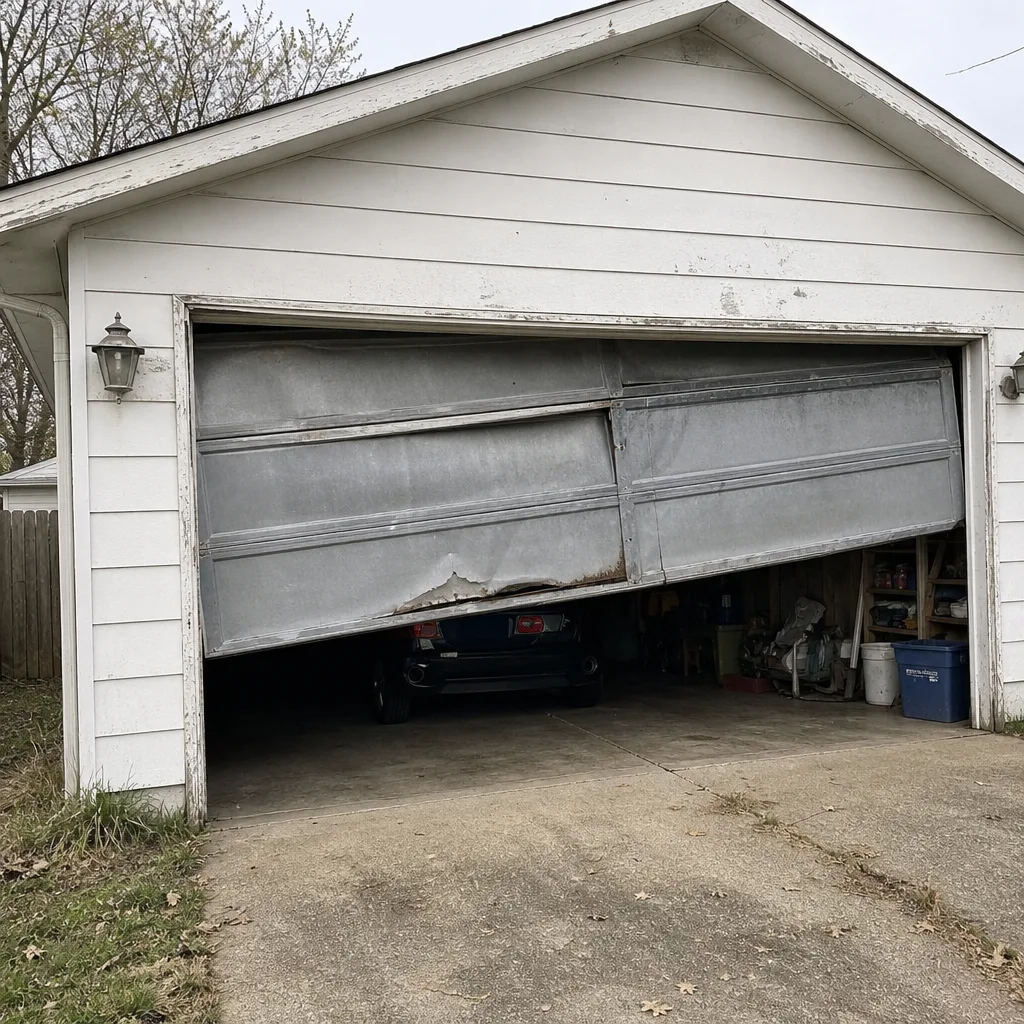 Before
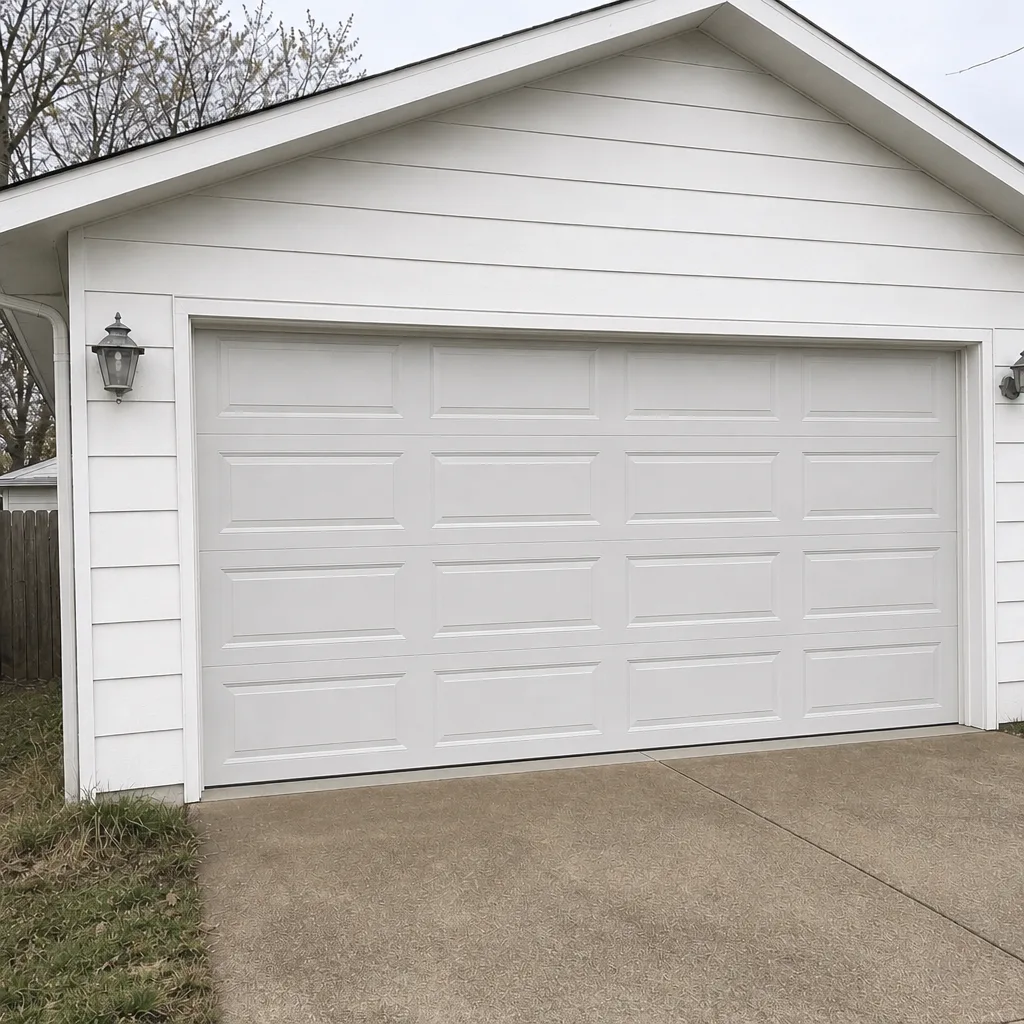 After
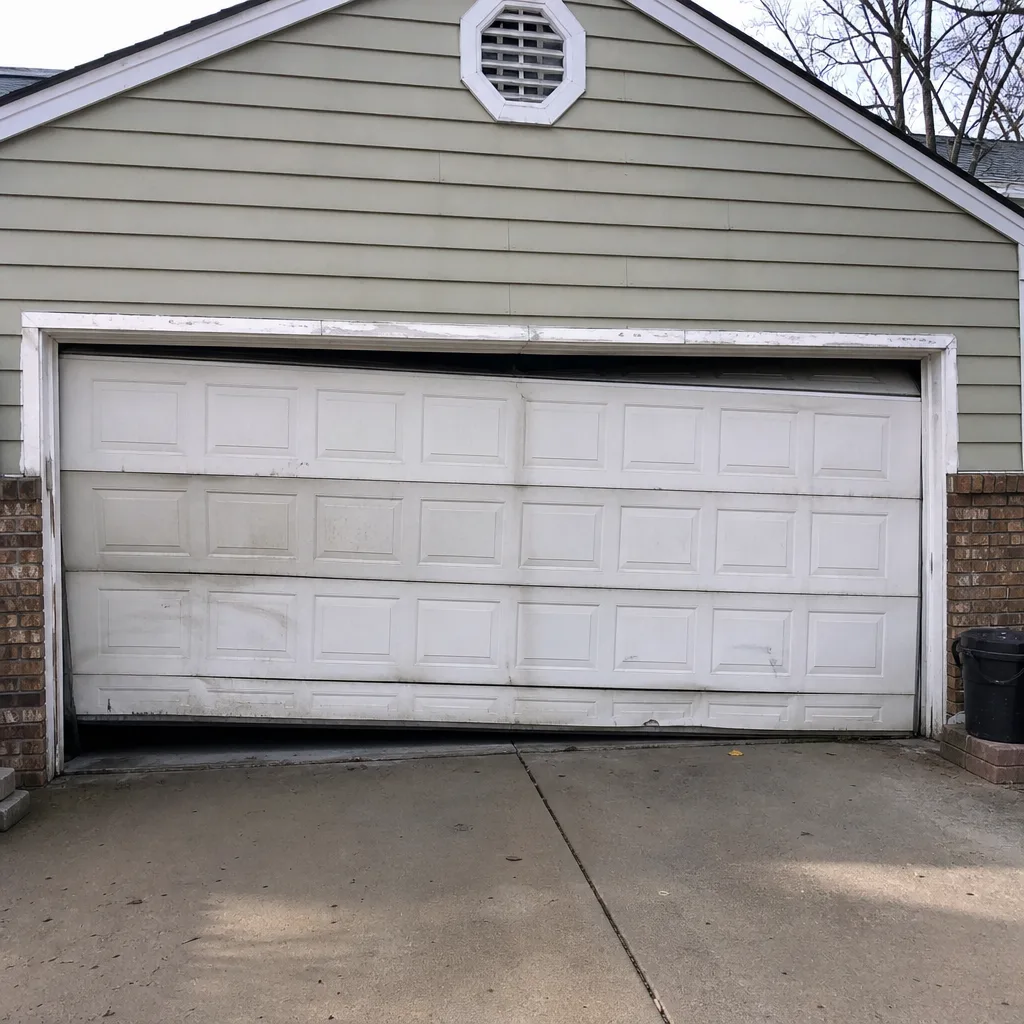 Before
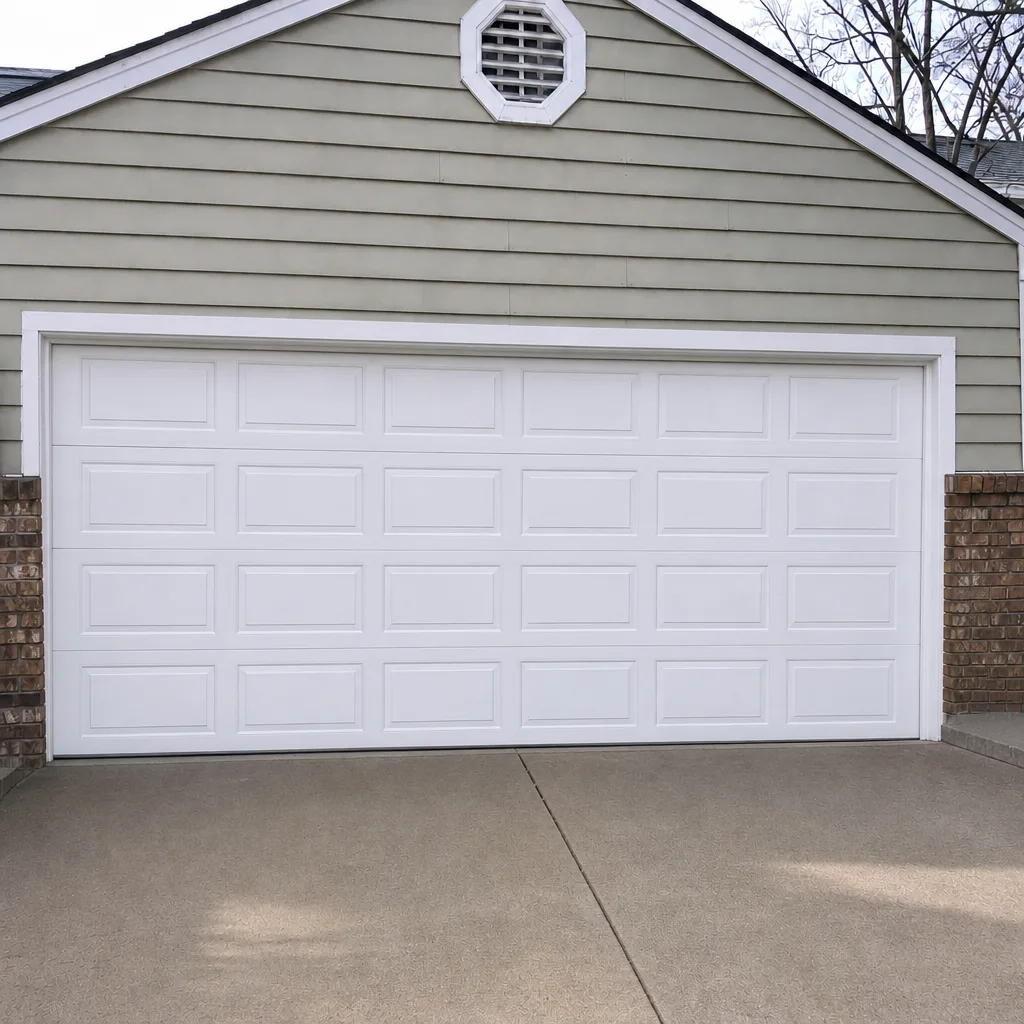 After
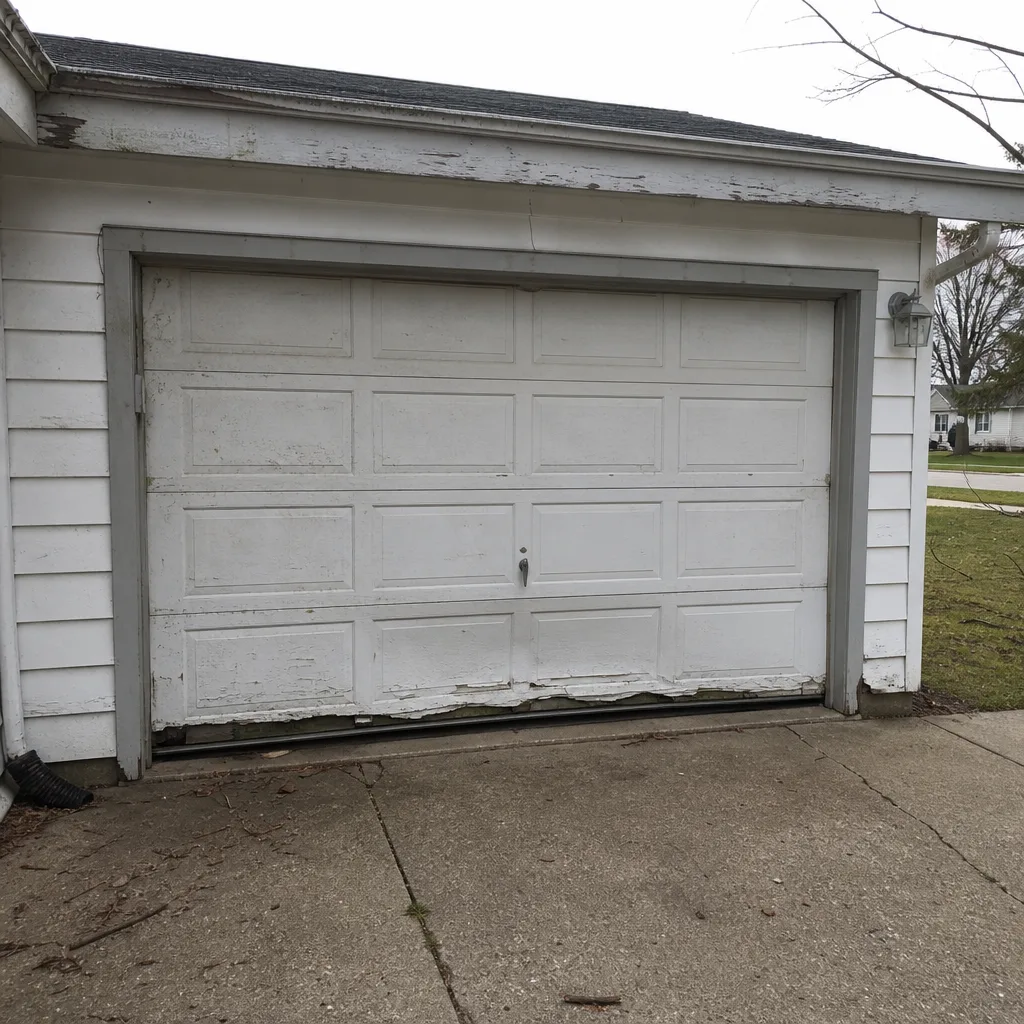 Before
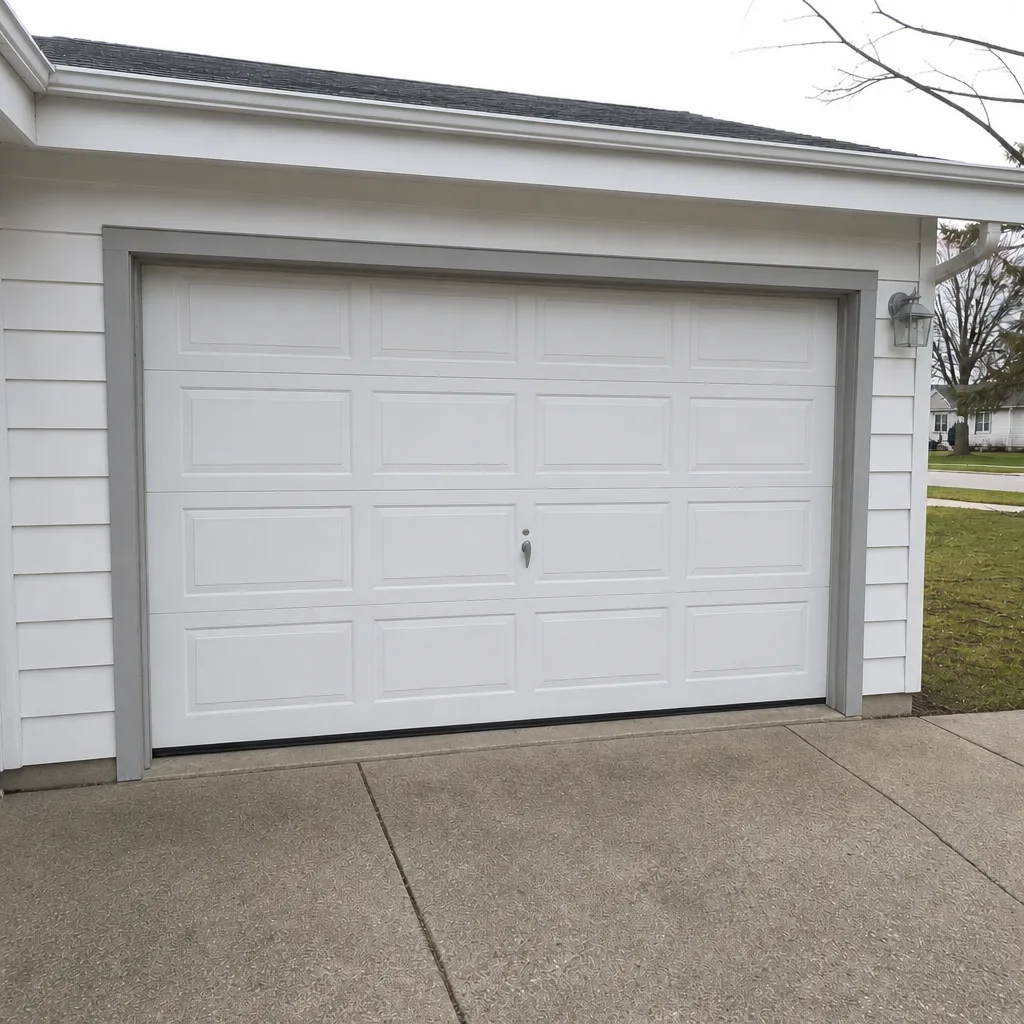 After
When to Call a Professional
If a spring has broken, a door has jumped its track, or the opener has stopped responding, you’re past the DIY question. Those failures are what our garage door opener repair and spring repair lines exist for, and they don’t require a permit. If you’re replacing a door, changing the opening, or installing a new door system with different spec, that’s a project with a written scope, a permit decision, and an inspection at the end. We work on whatever brand is already in your garage, whether that’s a Genie opener from the original build or a Wayne Dalton door you’re ready to replace. Our technicians have up to 13 years of experience, and we handle the full job: measure, quote, permit discussion, installation, and post-install checks. Same-day and emergency service is available when something fails unexpectedly. Garage Door Repair Reynoldsburg offers free estimates in Reynoldsburg. Call (833) 901-6679.
Frequently Asked Questions
Usually no, but it depends on what you’re replacing with. A like-for-like swap of the same size, weight class, and mounting configuration typically doesn’t require a permit in Reynoldsburg. A replacement that changes the opening, the header, the framing, or the door’s design pressure rating generally does. Call the city’s building department with your address and the door spec before the work starts, and confirm which office reviews your parcel. Call (833) 901-6679 for a free estimate on the door itself.
It depends on your specific address and parcel. Reynoldsburg sits in Franklin County and extends toward Licking and Fairfield county lines, and jurisdiction can vary by property. The city’s building department will tell you which office reviews your address when you call them. Have your parcel number and street address ready. Call (833) 901-6679 if you want help putting together the door spec the office will want to see.
It checks the construction against the approved plan, not the finish. A typical inspection looks at the header and framing, attachment to structure, door specification against the permit, safety features like auto-reverse and photo-eye function, minimum clearances, and any new electrical work. It does not evaluate the aesthetic quality of the installation. Call (833) 901-6679 for a free estimate on the installation side.
They can show up as an unpermitted improvement on a title search or home inspection report. That flag can stall a closing, force funds into escrow, or require a retroactive inspection before the sale goes through. The fix usually involves contacting the building department and scheduling a retroactive inspection. Call (833) 901-6679 if you want an honest read on what’s installed before you list.
The Ohio Residential Building Code requires exterior components, including garage doors, to resist the design wind pressure for their location. For a straight replacement in Reynoldsburg, matching the original door’s rating is usually enough. When replacing with a lower rating or installing new, the code’s wind-load provisions come into play and a permit will likely be required. Call (833) 901-6679 for a free estimate and we’ll walk through the spec sheet with you.
Permit fees for a garage door replacement typically run $75 – $250 in Reynoldsburg, and the office reviewing the application sets the final fee. On the door side, we quote the price and the scope in writing before any work starts, and the written estimate sets the final price. The number on the estimate is the number on the invoice unless you change the scope. Call (833) 901-6679 for a free estimate – estimates are free.
The Bottom Line
Permits for garage door work in Reynoldsburg are situational, and the deciding factors are structural change, wind-load rating, and the specific parcel you’re on. Like-for-like replacement usually doesn’t need one. A replacement that changes the opening, the framing, or the design pressure generally does. The right move is to check your address with the city’s building department before the door goes in, keep the final inspection documentation, and treat the permit as part of the project cost. Unpermitted work is cheap upfront and expensive later. And on the repair side, springs and openers don’t need a permit at all. Garage doors are all we do, and we’re glad to help you sort out which side of the line your project is on.
Call (833) 901-6679 for a free estimate. We’ll measure your opening, walk through the permit question with you, and quote the work in writing before any installation begins. Same-day and emergency service is available when a spring breaks or a door jumps a track and you need it handled today.
Written by the team at Garage Door Repair Reynoldsburg.