Last updated November 22, 2026
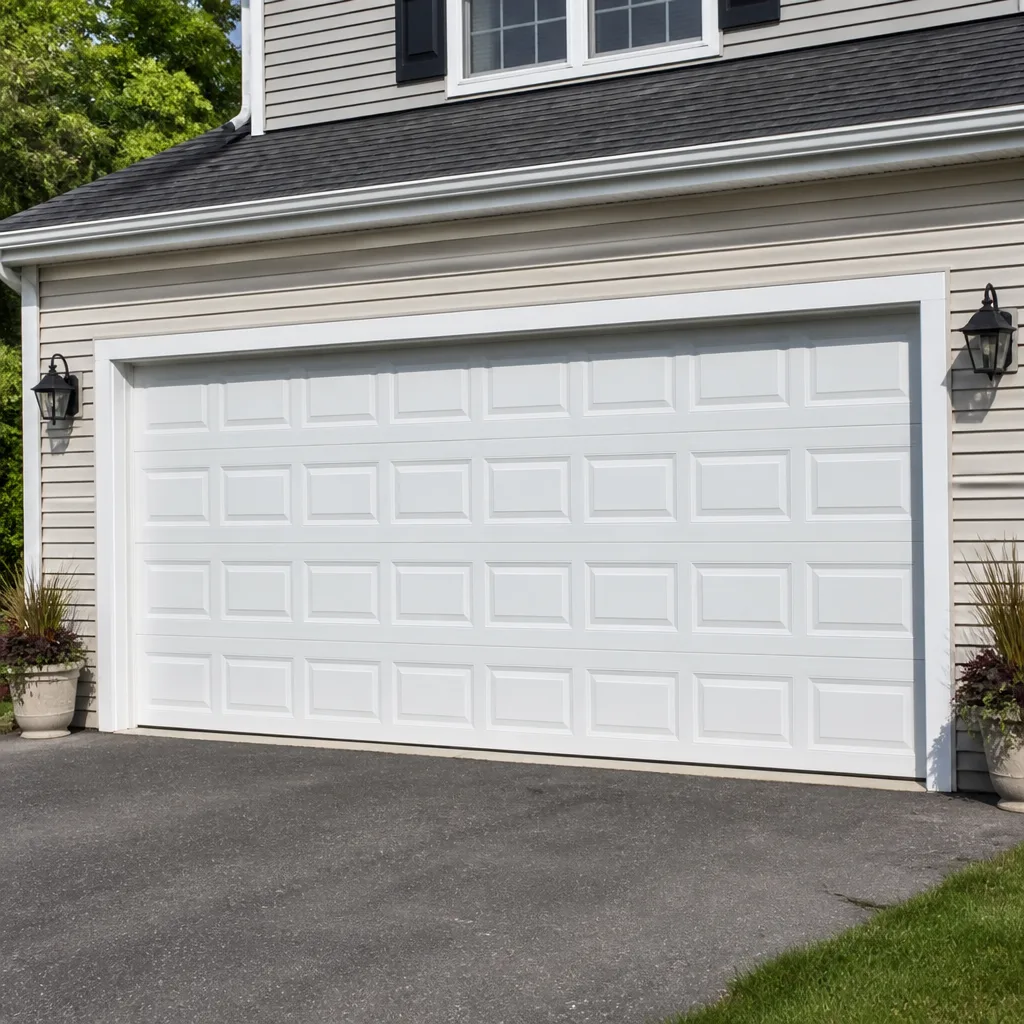 Raised-panel steel
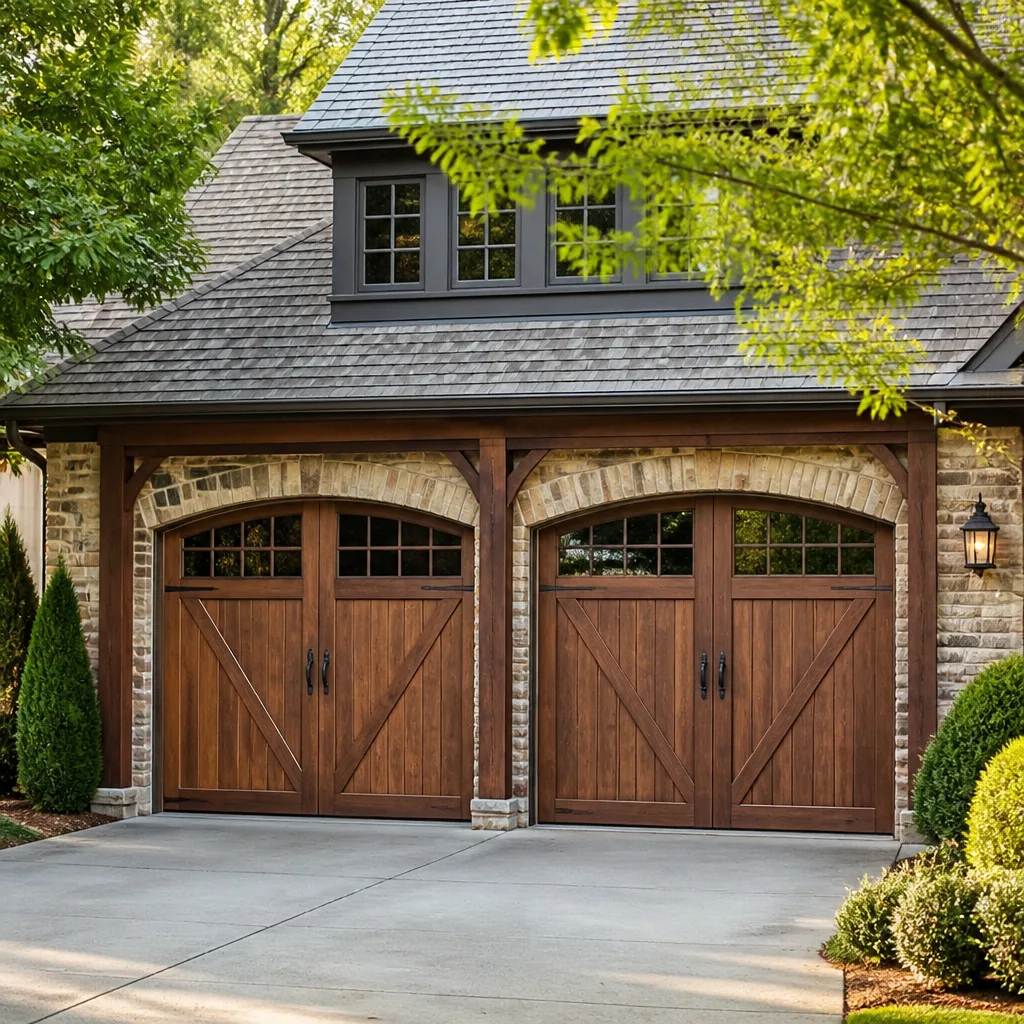 Carriage house
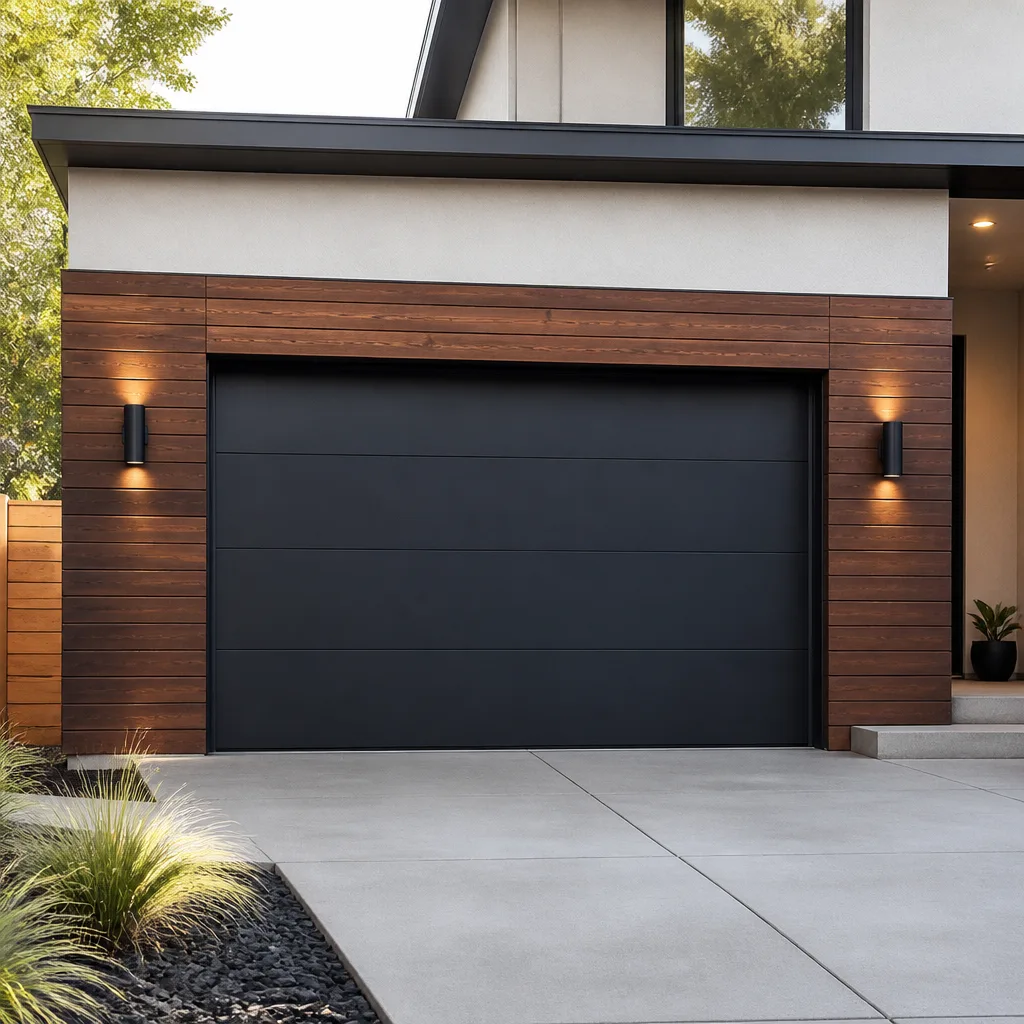 Modern flush
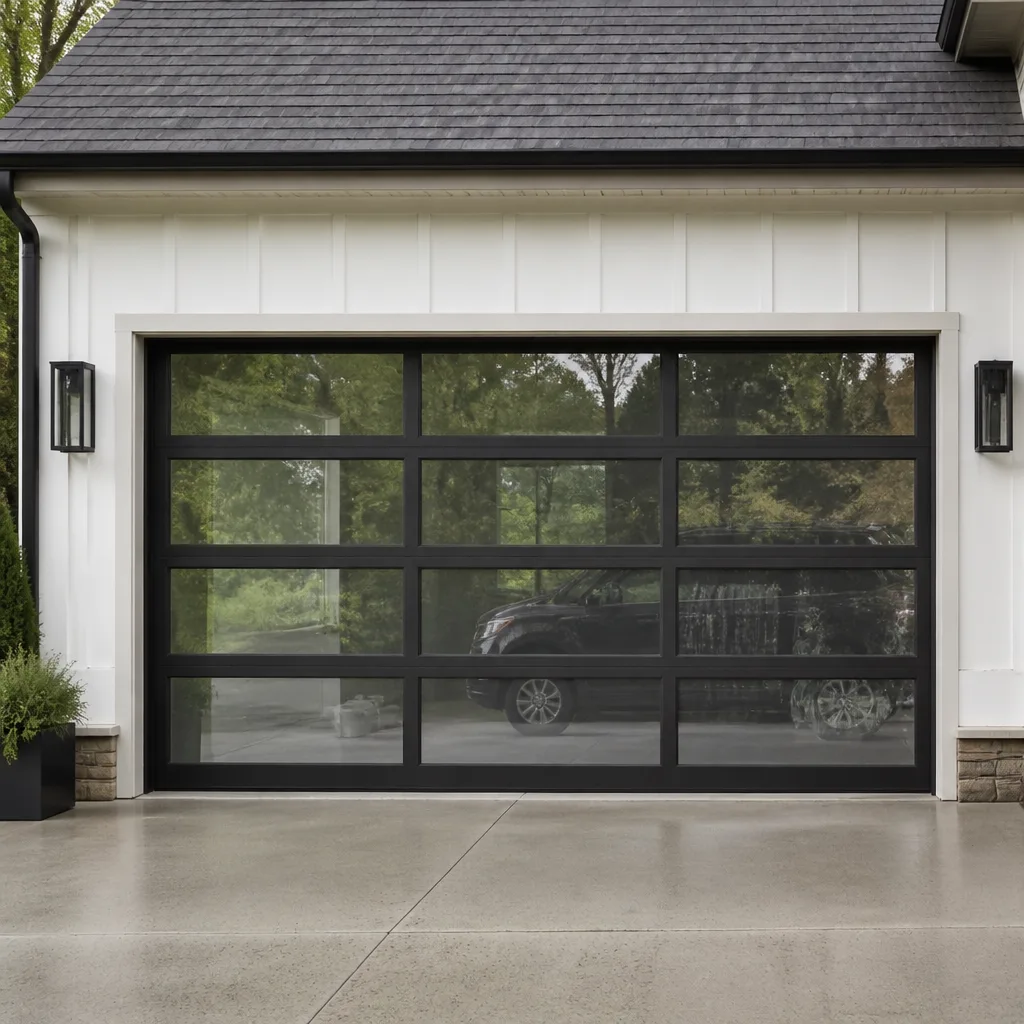 Full-view glass
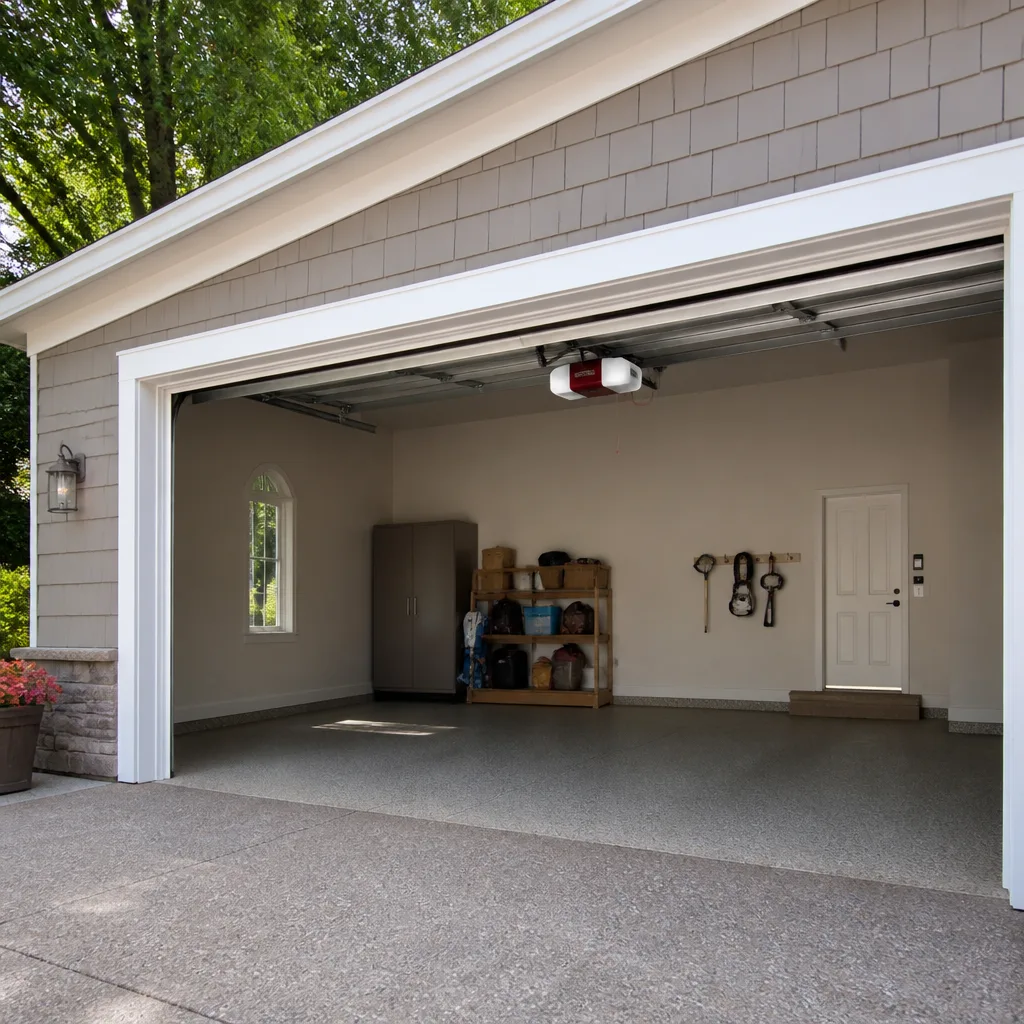 LiftMaster openers
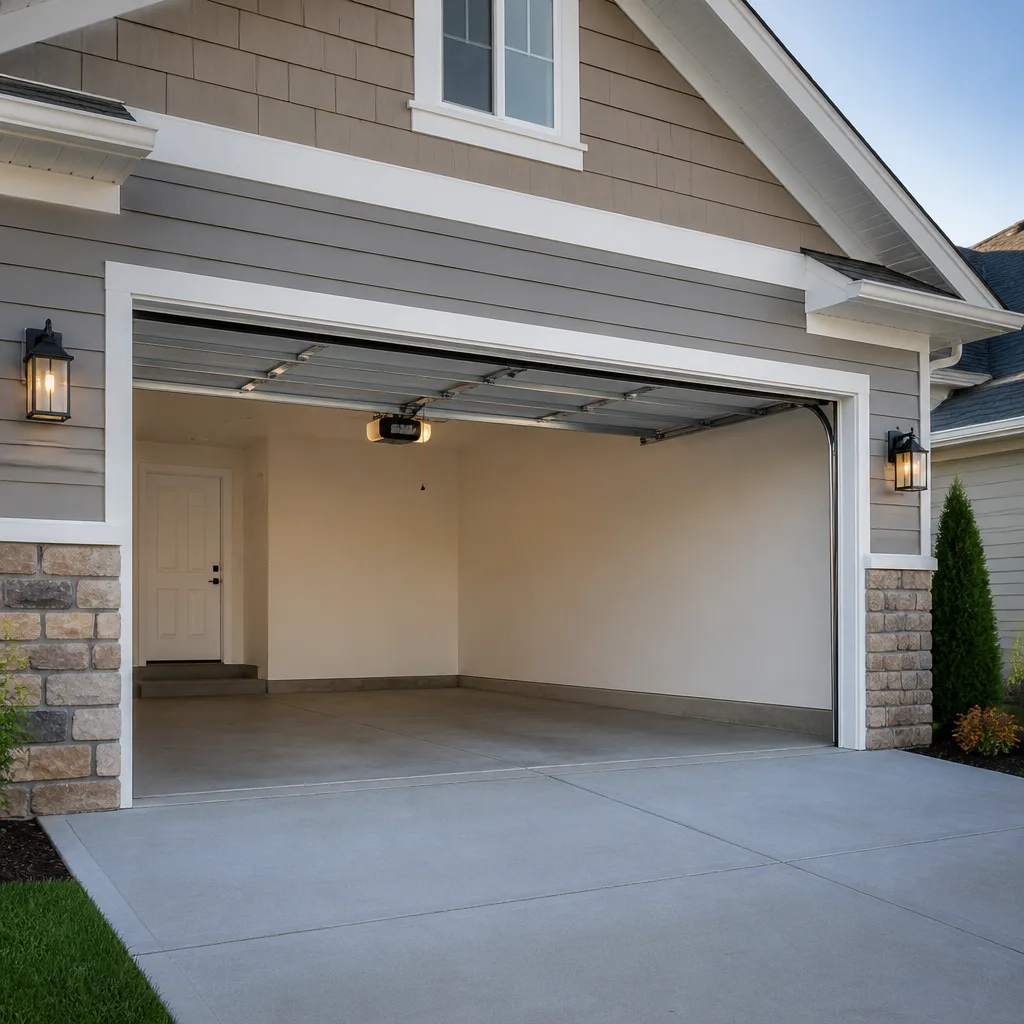 Chamberlain openers
Full 25-point door and opener safety check with every visit - springs, cables, rollers, tracks, and your LiftMaster or Chamberlain opener included
You get a price before we start. It does not change when the pro arrives.
Get your free estimateThe Complete Guide to Garage Doors in Reynoldsburg
Most garage door guides are written for a mythical average homeowner in a mythical average climate. Reynoldsburg doesn’t fit that mold. Our summers push past 90°F, winter wind chills drop below zero, and whole neighborhoods are filled with homes built between 1975 and 1995 – each era with its own door sizes, its own framing quirks, and its own list of things that wear out first. Advice written for a mild climate misses what actually breaks here.
This guide maps every garage door decision to the realities of Reynoldsburg: the freeze-thaw cycle that works on your bottom seal and track alignment, the insulation values that matter in an attached garage versus a detached one, the standard door sizes of the 1970s ranch and the 1990s colonial, and a clear way to decide whether to repair or replace. If you’ve been putting off a decision because you weren’t sure which advice applied to your house, start here.
Quick Answer
Garage doors in Reynoldsburg wear fastest at the bottom seal, the track, and the torsion spring, because central Ohio’s freeze-thaw cycle expands and contracts the whole assembly through the year. A door that’s 15 to 20 years old, dented or rusted through, or facing a second major repair in a single year is usually better replaced than repaired. Anything newer, or failing at one component, is almost always worth fixing. A trained technician can tell you which side of that line your door sits on in a single visit, and every job we quote comes with a written price agreed before any work starts.
Styles & brands we work with
- Raised-panel steel
- Carriage house
- Modern flush
- Full-view glass
- LiftMaster openers
- Chamberlain openers
Table of Contents
- How Reynoldsburg’s Freeze-Thaw Cycle Affects Your Garage Door
- Insulation: What R-Value Actually Matters in Central Ohio
- Door Sizes in Reynoldsburg’s Housing Stock
- Repair or Replace: A Decision Map for Central Ohio Homes
- Springs: The Repair You Should Never Handle Yourself
- Openers: Why Brand Compatibility Matters
- Big-Box Install vs. a Local Specialist
- A Seasonal Checklist for Reynoldsburg Homeowners
- Common Mistakes to Avoid
- When to Call a Professional
- Frequently Asked Questions
How Reynoldsburg’s Freeze-Thaw Cycle Affects Your Garage Door
Central Ohio spends a good part of the year crossing the freezing line in both directions, and that repeated crossing is hard on a garage door. Metal, wood, and even the concrete slab under the door expand and contract at different rates as temperatures swing. Over a handful of winters, three parts of your door take the worst of it: the bottom seal, the track alignment, and the torsion spring. Understanding how each one reacts is the fastest way to spot a problem before it becomes an emergency.
The bottom seal – the rubber strip along the base of the door – is the first casualty. Water from melted snow and rain pools against it, freezes overnight, and pulls it away from the door edge. Once the seal cracks or stiffens, cold air and moisture get underneath, and the seal starts to tear every time the door cycles. A brittle seal also lets in the drafts that make an attached garage feel like an extension of the outdoors all winter.
Track alignment is the second. When the ground under the door heaves slightly with frost, the vertical tracks can twist out of plumb. A door that felt smooth in October can start to grind or bind by January. Left alone, a misaligned track puts sideways stress on the rollers and eventually on the door sections themselves.
Torsion springs are the third, and the one that matters most for safety. These springs balance the full weight of the door, and they’re wound to a specific tension. Wide temperature swings change how the metal behaves, and a spring that’s already near the end of its cycle count is more likely to snap during a cold snap. If you hear a loud bang from the garage, stop and look before you touch anything.
What this means in practice for a Reynoldsburg homeowner is a short seasonal routine: check the bottom seal for cracks each fall, watch the door travel for any wobble or grinding as the seasons change, and never ignore a spring that looks stretched or has a visible gap. The seal and the track are easy to inspect from the ground. The spring is not a thing to test yourself.
Insulation: What R-Value Actually Matters in Central Ohio
Central Ohio sits in a cold climate zone, and that changes how you should think about garage door insulation. If your garage is attached to the house and shares a wall or ceiling with living space, an insulated door is doing real work: it slows heat loss through that shared surface and keeps the garage from becoming a cold sink that pulls warmth out of the rooms behind it. If your garage is detached and only used for storage or parking, insulation is mostly about comfort and condensation control, not energy savings on your main heating bill.
So what R-value is worth paying for? Here’s how we’d frame it for Reynoldsburg homes:
- Attached garage, heated or semi-heated space above: a door with a meaningful insulated core and a rated R-value is worth the cost. The thicker the core and the tighter the construction, the better it holds up.
- Attached garage with no conditioned space above: a moderately insulated door still helps. It reduces temperature swings at the shared wall and cuts condensation on cold mornings.
- Detached garage: insulation is a comfort choice. If you spend time out there in winter or store temperature-sensitive items, pay for a core. If not, a basic door is fine.
One caution: a number on a spec sheet isn’t the whole story. The R-value that matters is the whole-door assembly, including the frame and the seal at the edges. A well-insulated panel behind a leaky bottom seal loses much of its benefit. That’s why we look at the seal and the perimeter as part of any insulation conversation.
Material matters here too. Steel doors are the most common in Reynoldsburg homes because they handle the temperature swings and hold up to moisture without warping. They do need occasional attention at the bottom edge, where road salt and standing water can start rust. If you’re weighing options for a replacement, our garage door repair team can walk you through what fits your specific garage and how it’s framed.
Door Sizes in Reynoldsburg’s Housing Stock
Reynoldsburg’s neighborhoods carry two dominant housing eras, and each comes with door dimensions that catch people off guard. The 1970s ranch homes commonly have a single-car opening that measures narrower than today’s catalog standard, and the 1990s colonial builds often use a double-door opening sized slightly differently than what a big-box store stocks. If you measure carelessly or order from a spec sheet without checking the actual rough opening, you can end up with a door that doesn’t fit the frame – a costly mistake.
A typical single-car door in these homes runs close to the common catalog width, but the 1970s frames sometimes sit a fraction off in either direction. The 1990s colonials that dominate much of Reynoldsburg tend to have wider two-car openings, and their overhead clearance – the headroom between the top of the door and the ceiling – can be tighter than expected because of how the garage was framed. That clearance determines which opener and spring system will work. A standard-height door may need a low-headroom track configuration that a generalist won’t stock or plan for.
Here’s the practical sequence for anyone replacing a door in Reynoldsburg:
- Measure the rough opening width and height, not just the visible door panel.
- Measure the side clearance between the door and the wall, and the headroom above the door.
- Note whether the frame appears square. Settling in older homes can throw the opening slightly out of true, which changes what fits.
- Write the numbers down and bring them to whoever is quoting the job.
That third step is where local experience helps. Our region’s clay soils are known for movement with the seasons, and a 1970s ranch that’s been settled for decades often has an opening that no longer measures the same on all four sides. A local technician measures for that. A catalog order doesn’t.
Repair or Replace: A Decision Map for Central Ohio Homes
This is the question we get asked more than any other, and it has a clear answer most of the time. Repair the door when the problem is a single component – a snapped spring, a bent track, a worn roller, a failing opener – and the panels and frame are sound. Replace the door when it’s structurally failing, when it’s 15 to 20 years old and on its second or third major repair in as many years, or when it can’t be made safe. The cost of a replacement door typically runs well above a repair, but a door that keeps failing costs more over time in repeated service calls, energy loss, and the risk of a bigger break.
The decision map we use breaks it down by damage type:
- Broken spring or snapped cable: repair. The door itself is fine; the lifting mechanism failed. This is the single most common repair we handle.
- Dented, rusted-through, or cracked panels: often replace, especially if the damage is severe or widespread. Individual panel replacement works for isolated dents, but rust that’s migrated into the panel seams will keep spreading.
- Track bent or out of alignment: repair when the track alone is damaged. Replace if the door sections show matching deformation.
- Opener failing repeatedly: repair or upgrade the opener. The door itself is usually the innocent party.
- Door age past about 15 years with a major failure: lean toward replace. Modern doors seal better, insulate better, and come with safer spring systems.
- Door won’t stay up, sags, or binds: diagnose before deciding. This can be a spring, a cable, or a balance problem, and each has its own answer.
There’s an energy angle too. An older, uninsulated door on an attached garage is a constant leak in the middle of your heating envelope during a central Ohio winter. When the door is already on its way out, upgrading the insulation is a cost you’ll carry whether you keep the door or not – so it makes sense to fold it into the replacement decision rather than treat it as a separate afterthought.
If you’re not sure which side of the line you’re on, that’s exactly what a free estimate is for. We’ll tell you what we see, what it would take to repair, and what a replacement would run, and let you decide.
Springs: The Repair You Should Never Handle Yourself
Garage door springs are the most dangerous part of the entire assembly, and the warning here is not corporate caution. A torsion spring holds the full weight of the door under tension, and a wound spring stores a great deal of energy. If it releases while you’re working near it, the result can be severe injury or worse. This is the repair to leave to a trained technician, every time.
We want to be clear about what “leave it alone” means. You can safely look. You can listen. You should not try to wind, unwind, adjust, or remove a frozen spring, replace a snapped one, or pull a door that’s stuck with a broken spring up by hand. If you’ve heard a bang from the garage and the door won’t lift, stop, and call for help. The heavy panels of a door without spring tension can drop without warning.
What does spring work involve, professionally? For a torsion system, the technician measures the door’s weight, determines the correct spring size and wire gauge, mounts the new spring on the torsion tube, and winds it to the specified number of turns using the correct winding bars and a controlled procedure. A cable is inspected at the same time, because cables and springs wear together. What the technician does not do is guess, and neither should a homeowner. Our garage door spring repair service is one of our most common calls for exactly this reason.
One thing Reynoldsburg homeowners ask: will a replacement spring last as long as the original? It depends on the spring’s rated cycle count and how often the door cycles each day. A door used twice a day wears slowly; a door used twelve times a day wears fast. A good technician will tell you which cycle count to expect for your habits and let you choose the spring that fits. This is the kind of judgment call a garage-only specialist makes every week.
Openers: Why Brand Compatibility Matters
When an opener fails, the most common customer worry is that the whole system is now obsolete and needs to be replaced with a different brand. In most cases it doesn’t. The opener that’s already in your garage – whether it’s a LiftMaster, a Chamberlain, a Genie, or another widely installed model – can usually be repaired, and if it does need replacement, the new unit can be matched to your existing door, remote, and keypad rather than forcing you into a whole new ecosystem. This is the advantage of working with a shop that services the major brands rather than one that only sells a single line.
We work on the brand already in your garage. That means we don’t try to sell you a new opener because it’s easier than diagnosing the current one, and we don’t hand you a fresh remote when a new battery or a re-sync would fix the problem. The genuinely common opener failures are small: a stripped drive gear, a dying logic board, a remote that’s lost its pairing, a safety sensor knocked out of alignment by the lawnmower. Many of these are quick repair visits, and a few are upgrades worth making when the old unit is past its useful life. Our garage door opener repair service covers all of it.
Safety sensors deserve a mention of their own. Every modern opener relies on a beam across the door opening that tells the motor to reverse if something is in the way. In Reynoldsburg winters, snow, ice, and even a knocked-over trash can will break that beam, and the door will refuse to close. Before you call, check that both sensors are facing each other and lit – it saves a service visit. If they’re aligned and the door still won’t close, that’s a repair call.
When it is time for a new opener, the choice matters. Belt-drive units run quietly and suit a home where the garage shares a wall with a bedroom. Chain-drive units are louder but tough. Screw-drive units are simple and reliable for a door that’s used lightly. The right call depends on your door’s weight, your garage’s framing, and how close you sleep to it. We’ll talk through it rather than push a brand.
Big-Box Install vs. a Local Specialist
A big-box store can sell you a door and a crew to install it, and for a straightforward replacement on a standard opening, that may work out. The thing that separates a big-box install from a local specialist shows up months later, when something goes wrong. The store handles the sale; the install is subcontracted to whoever is available that week; and the warranty process usually means sitting on hold, then being told the issue is the installer’s, then being told the issue is the manufacturer’s. Getting a human to look at your door again can take weeks.
A garage-only specialist is a different model. The same trade handles the diagnosis, the repair, the opener work, and the installation, so there’s no handoff when something fails. We work on the brand already in your garage, which means we know how the components on your door are supposed to behave and can spot a problem fast. When a spring goes or a track bends, you’re calling the people who installed the door, not a customer service line.
There’s also the matter of what a general handyman brings. A handyman may fix a fence, a faucet, and a garage door in the same afternoon. Garage doors are all we do. Every job is a garage door job, and every technician in our trade has seen the same failure a hundred times. That focus is what lets us say, honestly, whether your door is a quick fix or a replacement candidate.
Our technicians have up to 13 years of experience specifically in garage doors and openers. That’s not a general contractor’s experience spread across a dozen trades – it’s focused time spent on exactly the equipment in your garage. For a free estimate in Reynoldsburg, call (833) 901-6679 and we’ll come take a look.
A Seasonal Checklist for Reynoldsburg Homeowners
A little routine work each season prevents most of the emergency calls we get in Reynoldsburg. The idea is not to turn you into a mechanic; it’s to catch the things that are safe to catch early, before they turn into a spring failure or a door that won’t open on a workday morning. Here’s the checklist we’d give a neighbor:
- Each spring: Look at the bottom seal for cracks and stiffness. Check the weather stripping at the sides. Wipe down the track with a damp cloth to clear grit.
- Each fall: Test the safety reverse on your opener by placing a small object in the path of the door (a roll of paper towels works) and confirming the door reverses. Test the balance of the door with the opener disconnected and the door partway up – it should hold roughly in place, not drift down.
- Before the first hard freeze: Confirm the bottom seal is snug against the floor. Look for daylight under the closed door; if you see it, the seal or the threshold needs attention.
- After any big temperature swing: Listen to the door as it travels. Grinding, squeaking, or a sudden wobble is worth a look.
- Never touch the spring or the cable. Inspect visually if you like, but hands off.
The balance test in step two is worth explaining. With the opener disconnected, lift the door by hand about halfway and let go. If it stays roughly where you put it, your springs are still doing their job. If it drops or the effort feels heavy, the springs or cables are losing tension and it’s time for a technician. A door that’s hard to lift by hand is a door whose springs are carrying less of the weight than they should.
Another local note: keep the area outside the door clear of snow and ice. A snowdrift piled against the bottom seal pushes the door off its line as it closes, and freezing meltwater at the threshold is one of the most common causes of a stuck door in February. A few minutes with a shovel after a snowfall saves a repair call.
Common Mistakes to Avoid
- Forcing a door with a broken spring. Pulling the door up by hand when the spring is gone puts the full weight of the door on you and can also damage the opener, cables, and track. Call a technician instead.
- Ordering a door without measuring the rough opening. Reynoldsburg’s 1970s and 1990s homes often have openings that don’t match the catalog spec to the inch. Settling in older homes makes the mismatch worse. Measure, write it down, and have a technician confirm.
- Ignoring a bottom seal through the winter. A cracked seal leaks cold air and moisture, and the freezing water at the threshold damages the door edge and the floor over time. Replace it before the deep cold.
- Greasing the track. Tracks don’t need grease – it collects grit and turns into a grinding paste. The rollers and hinges need light lubrication; the track just needs to be clean.
- Treating an opener failure as a door failure. A door that won’t move often has a working opener and a snapped spring or a misaligned sensor. Diagnose before you buy.
- Assuming a big-box warranty is easy to claim. When something goes wrong after an install, the warranty paperwork rarely says who to call. A local specialist is easier to reach and can usually fix a door the same week.
- Skipping the safety sensor check. A misaligned sensor will keep the door from closing on a cold morning, and it’s one of the easiest things to check yourself before calling.
When to Call a Professional
Some garage door problems are safe to handle yourself: a remote that needs new batteries, a sensor that’s out of alignment, a track that’s collected grit. Others deserve a call. Call us when the spring snaps, the cable frays or breaks, the door drops suddenly or won’t stay up, the track is visibly bent, the door has come off its rollers, the opener makes grinding or burning smells, or the door has failed after a repair you didn’t watch happen. If the door is 15 to 20 years old and this is its second major breakdown, call for an honest repair-or-replace opinion before you sink money into another fix. Same-day and emergency service is available for a door that’s stuck open or refusing to close, because a garage left open isn’t a safe state to leave overnight.
Garage Door Repair Reynoldsburg offers free estimates in Reynoldsburg – call (833) 901-6679 and we’ll give you a written price before any work starts. Keep watching our Garage Door Repair Reynoldsburg page for the latest on what we’re seeing around town.
Frequently Asked Questions
Most common garage door repairs in Reynoldsburg fall in the low-to-mid hundreds, with a spring replacement typically at the lower end of that and a more involved opener or track repair higher. A new door installation is a larger project, and a written estimate is the only number that matters because the final price depends on the door size, material, and what’s actually wrong. We quote and agree on a price before any work starts, so you won’t get a surprise invoice. Call (833) 901-6679 for an exact quote – estimates are free.
In most cases, yes – same-day and emergency service is available for Reynoldsburg homeowners, especially for spring failures, stuck doors, and openers that have quit. A malfunctioning door is a safety and security problem, and we treat it like one. Call (833) 901-6679 and we’ll tell you the soonest we can get out.
No – the price in the written estimate is the price we agree on before any work begins. That’s the whole point of quoting first. If we find something unexpected after the door is open, we’ll show you and talk through options before touching anything, rather than adding to the bill afterward. Call (833) 901-6679 to get a free estimate.
The local professionals we connect you with are licensed and insured as the state requires, and they work exclusively on garage doors and openers. Our technicians have up to 13 years of experience with the brands we service, including LiftMaster, Chamberlain, Genie, and Raynor. That focus means we’re not guessing at your door – we’re working on the equipment we see every week. Call (833) 901-6679 for a free estimate.
If it’s 20 years old and this is its first major failure, repairing the specific component is often the right call, since the door itself may still have years left. If it’s already had two or three serious repairs, or the panels are rusted, dented, or warped, replacement usually makes more sense over the long run – especially if the garage is attached and the door is a draft source in the winter. A free estimate is the fastest way to get a clear answer. Call (833) 901-6679.
In most cases, yes. We work on the brand already in your garage, and we service the major opener and door lines, including LiftMaster, Chamberlain, Genie, Clopay, Amarr, Wayne Dalton, Craftsman, and Raynor. That means a repair rather than a forced replacement, and it means a technician who knows the quirks of your door’s components. Call (833) 901-6679 and we’ll come look.
The Bottom Line
Reynoldsburg’s garage doors face a specific set of pressures – wide seasonal temperature swings, clay soil that shifts under the frame, and a housing stock split between 1970s ranches and 1990s colonials – that generic advice doesn’t account for. The things that matter most are the bottom seal through the freeze-thaw cycle, track alignment as the ground moves, and the torsion spring that holds everything up. Repair the single component when the door itself is sound; replace when the door is old and the repairs keep coming. Leave the spring to a trained technician. And when you’re ready for a straight answer on your own door, Garage Door Repair Reynoldsburg offers free estimates – call (833) 901-6679 and we’ll take a look.
Written by the team at Garage Door Repair Reynoldsburg.
See the difference
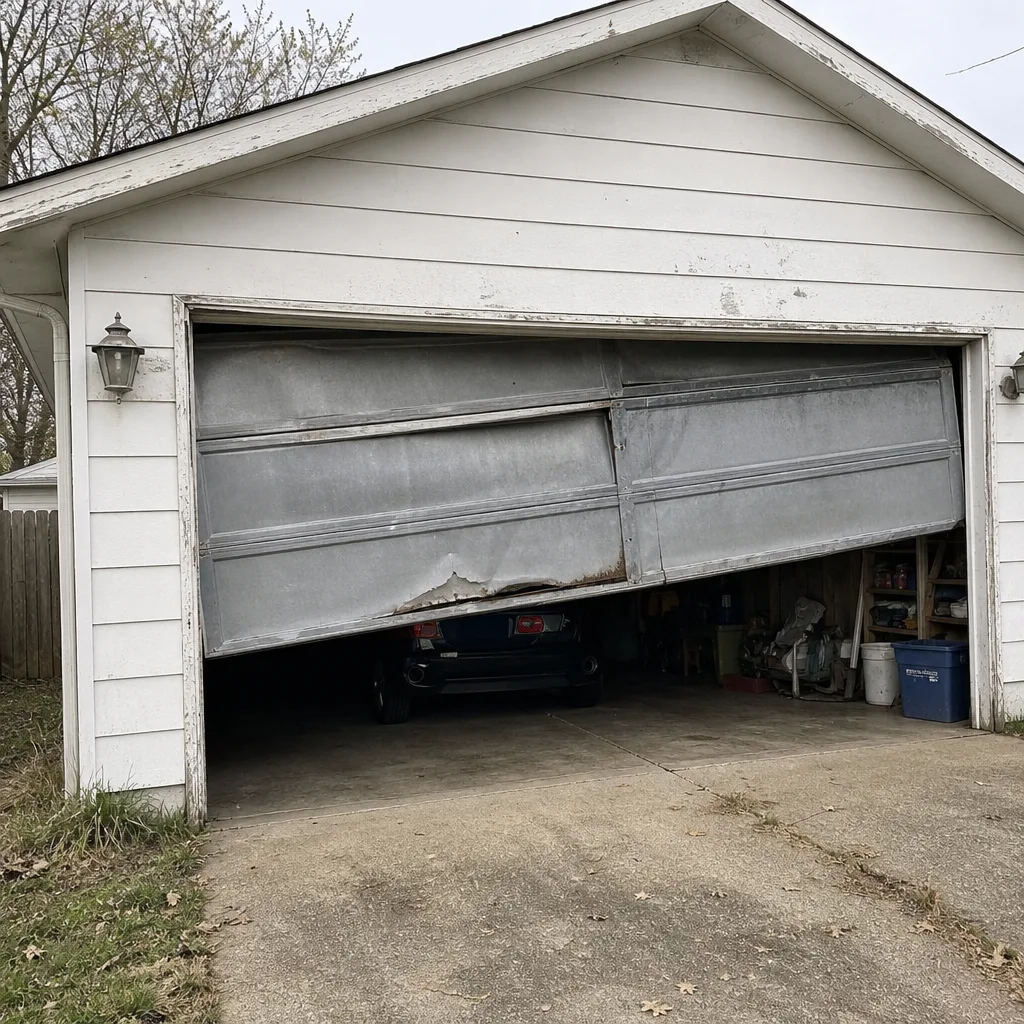 Before
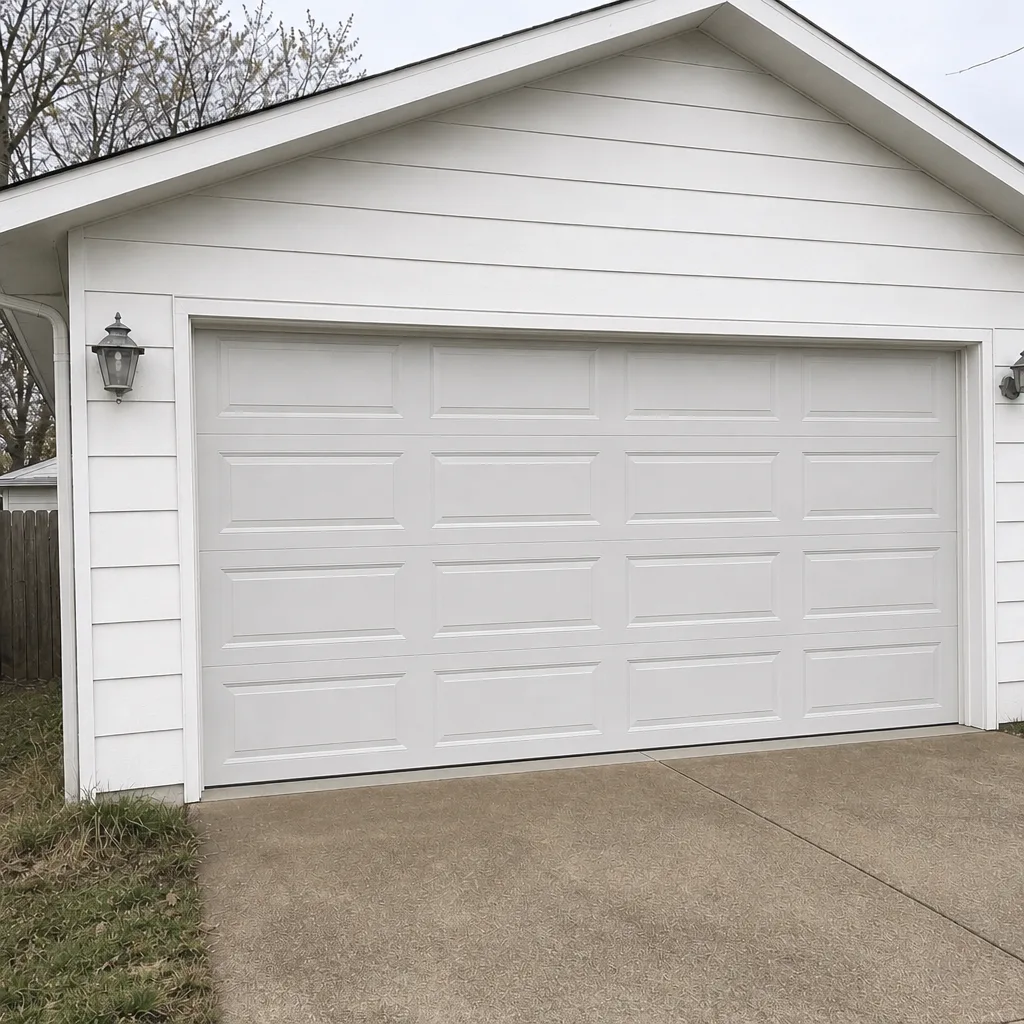 After
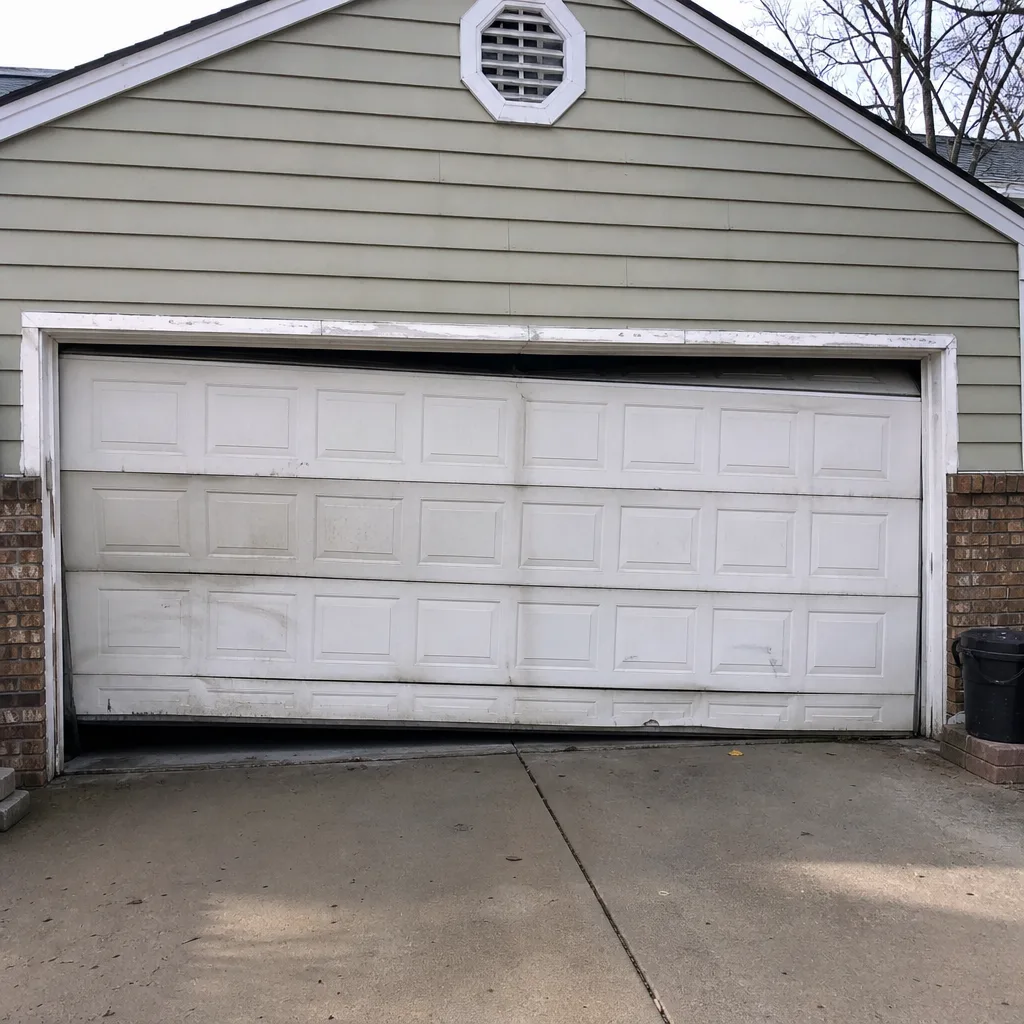 Before
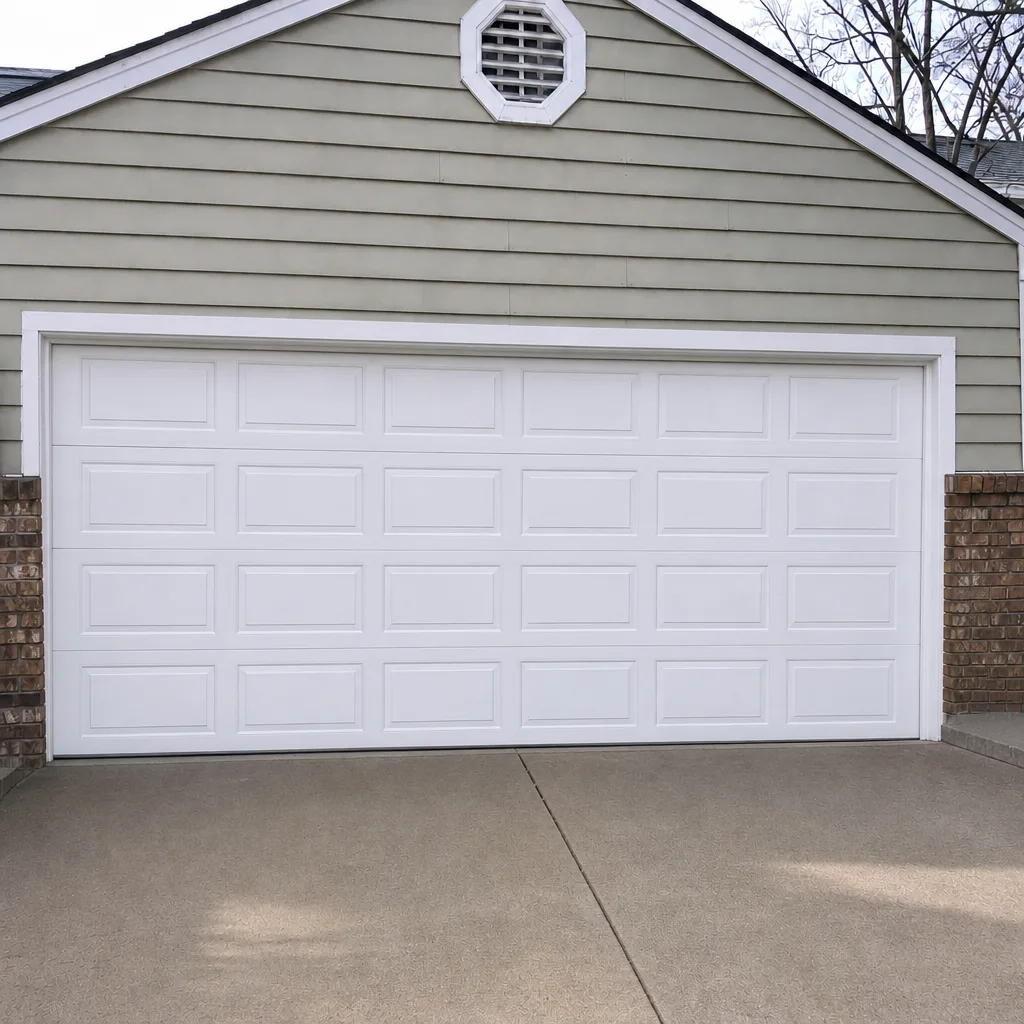 After
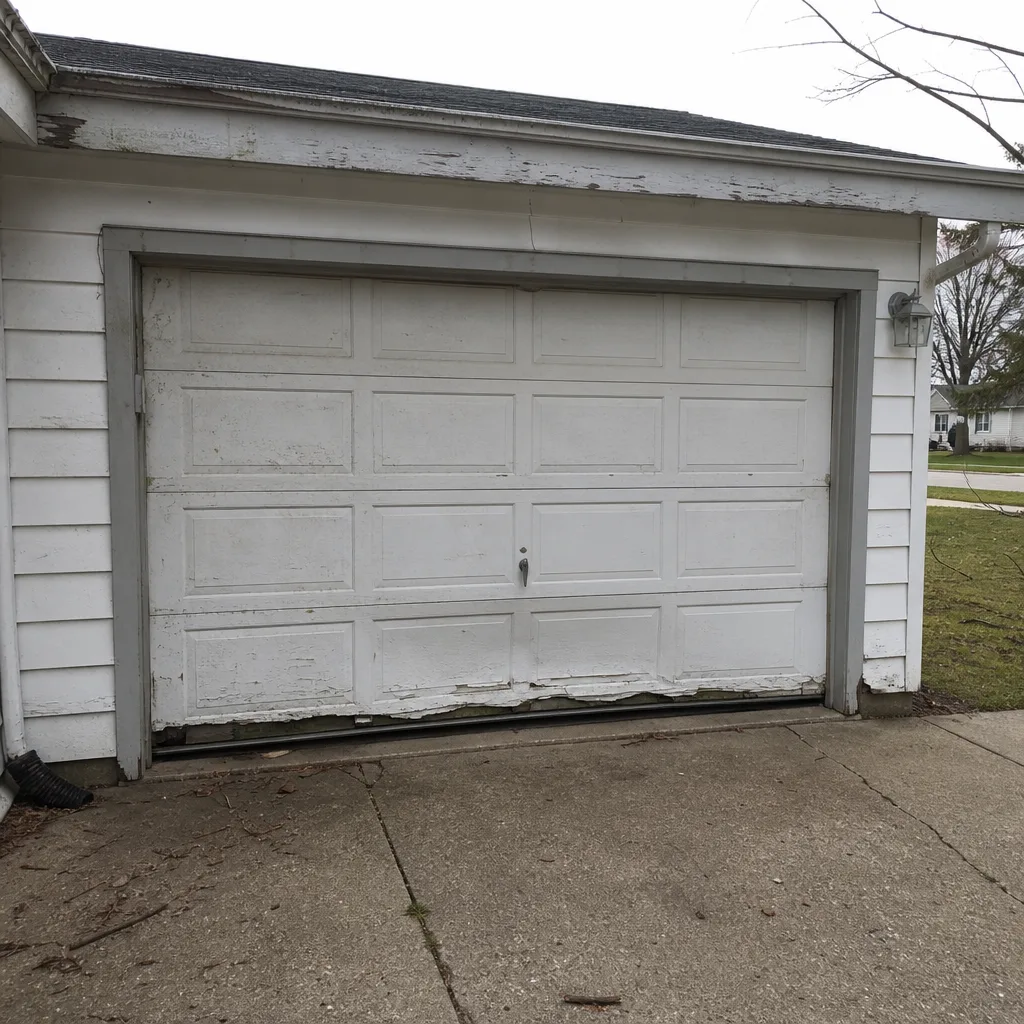 Before
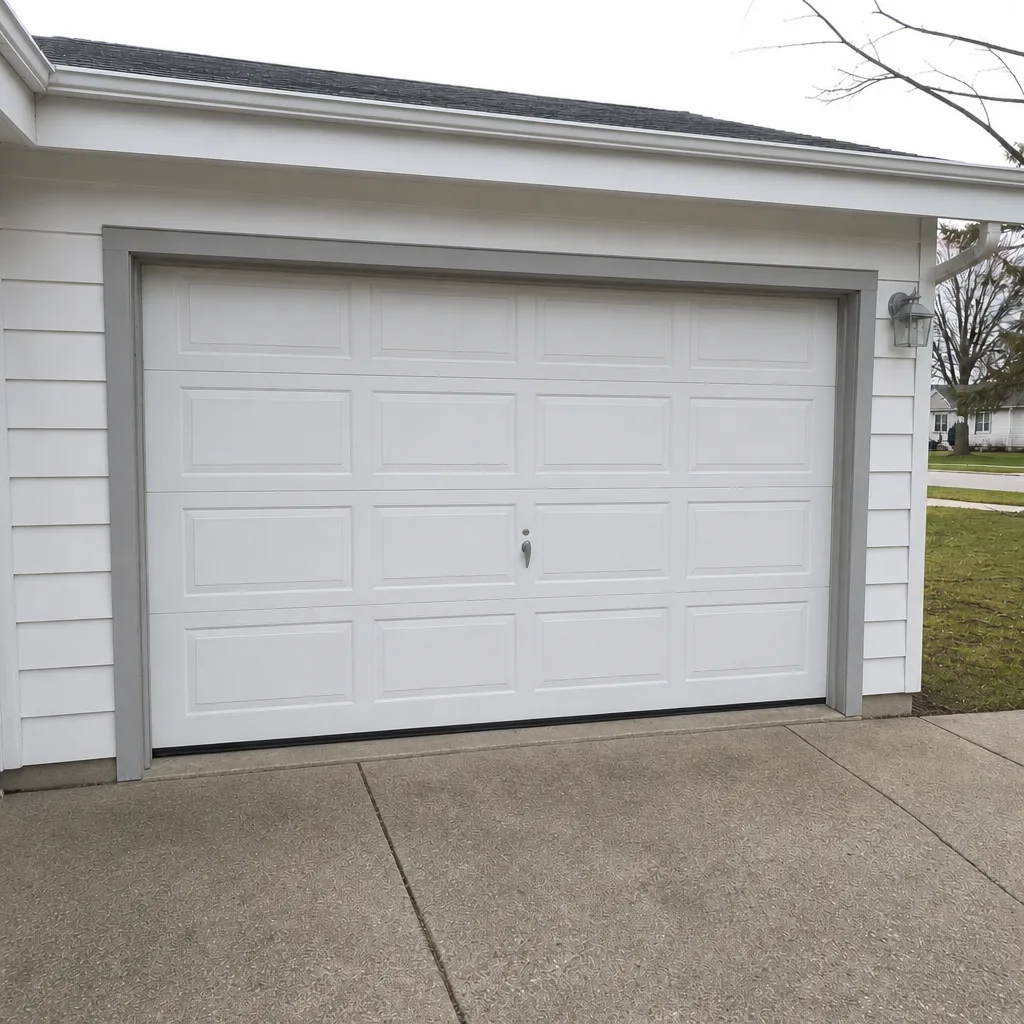 After